
Understanding 30 Mesh Stainless Steel Screen Applications and Material Properties

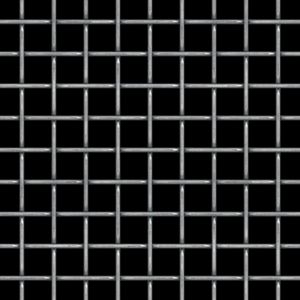
In the world of modern construction, structural integrity is non-negotiable. Steel wire mesh for concrete stands as a fundamental component in achieving this, providing unparalleled tensile strength and crack control to concrete slabs and structures. As a premier supplier in the global industrial marketplace, we provide high-grade welded wire mesh specifically engineered to meet the rigorous demands of commercial, industrial, and civil engineering projects. This product page details why our steel wire mesh for concrete is the superior choice for contractors, engineers, and builders worldwide who prioritize durability, compliance, and cost-efficiency.
Our steel wire mesh for concrete is a factory-fabricated reinforcement material consisting of a series of longitudinal and transverse steel wires, resistance-welded at all intersections. This creates a rigid, high-strength grid that is embedded within concrete pours to resist tensile and shear stresses that plain concrete cannot withstand. Unlike loose rebar, which requires tedious on-site tying, welded wire mesh arrives in ready-to-use sheets or rolls, significantly reducing labor time and installation errors. It is manufactured from controlled-quality, low-carbon or high-tensile steel wire, ensuring consistent performance and reliable bonding with the concrete matrix. This product is indispensable for creating reinforced concrete that is resilient against cracking, shrinkage, and structural failure under load.
Our steel wire mesh for concrete is produced to meet and exceed international standards such as ASTM A185, ASTM A497, BS 4483, and AS/NZS 4671. The specifications below cover our standard range; custom sizes, wire diameters, and spacings are available upon request for specialized projects.
| Specification | Standard Range | Description |
|---|---|---|
| Standard Designation | A142, A193, A252, etc. | Mesh style indicating wire spacing and cross-sectional area (e.g., A193: 200mm x 200mm grid, 7.6mm wires). |
| Wire Diameter | 4.0 mm to 12.0 mm | Available in various diameters for both longitudinal and transverse wires, determining ultimate tensile strength. |
| Mesh Spacing | 50x50mm, 100x100mm, 150x150mm, 200x200mm | Standard grid spacing. Custom spacings are engineered for specific load requirements. |
| Sheet Dimensions | 2.4m (W) x 6.0m (L) or 4.8m (W) x 2.4m (L) | Common sheet sizes for easy handling and layout. Rolled mesh is available for specific applications. |
| Tensile Strength | Minimum 500 N/mm² (High Tensile) | Ensures the mesh provides robust reinforcement under stress. |
| Surface Treatment | Plain, Galvanized, PVC Coated | Choice of finish to match environmental conditions and project specifications. |
| Compliance | ASTM, BS, ISO, AS/NZS | Manufactured under strict quality control to meet global engineering standards. |
The versatility of steel wire mesh for concrete makes it a critical material across a vast spectrum of construction projects. Its primary function is to reinforce concrete against cracking and failure.
Choosing the right steel wire mesh for concrete offers distinct benefits compared to other reinforcement methods like loose rebar or fiber reinforcement.
In a global market, partnering with a reliable and expert supplier is crucial for project success. Here is why leading international contractors and distributors trust us for their steel wire mesh for concrete requirements.
A: Sheet mesh is supplied in flat, rigid panels (e.g., 2.4m x 6m) and is used for most slab applications. Rolled mesh, supplied in coils, is typically made from thinner gauge wire and is used for curved surfaces, shotcrete, or wrapping precast elements. Our technical team can advise on the best format for your specific use of steel wire mesh for concrete.
A: Galvanized mesh is recommended for concrete structures exposed to corrosive environments. This includes marine applications, bridge decks, parking garages where de-icing salts are used, wastewater treatment plants, and any exterior structure in coastal regions. The zinc coating provides a sacrificial layer that dramatically extends the service life of the reinforcement.
A: The mesh specification is determined by the structural engineer based on the design loads, slab thickness, and concrete grade. The designation (like A193) defines the wire spacing and cross-sectional area per meter. Always follow the project's structural drawings. We can provide cross-reference charts and technical data to help interpret specifications.
A: Adequate concrete cover is critical to protect the steel from corrosion. Typical requirements range from 20mm to 50mm, depending on the exposure class and local building codes. For example, a domestic slab-on-ground may require 20mm cover, while an exterior element in a corrosive environment may require 50mm. Mesh must be supported on chairs or spacers to ensure this cover is maintained during the pour.
A: Absolutely. Custom fabrication is one of our core competencies. We regularly produce steel wire mesh for concrete with bespoke sheet sizes, unique wire spacings, and special cut-outs for columns or services. Providing us with detailed layout drawings allows us to supply a kit-form mesh package that minimizes on-site waste and labor.
A: We operate on standard international trade terms (Incoterms 2020), primarily FOB (Free On Board) or CIF (Cost, Insurance, and Freight). Payment is typically secured via irrevocable Letter of Credit (L/C) for new clients, with flexible options like T/T (bank transfer) available for established partners. Lead times vary by order volume and customization but are clearly communicated upon order confirmation.
Understanding 30 Mesh Stainless Steel Screen Applications and Material Properties

Understanding 304 Stainless Steel Mesh Screen for Industrial Applications

Understanding 12 mesh stainless steel screen Applications and Technical Details
Comprehensive Guide to Durable 316 Stainless Steel Security Screens
Strategic Custom Metal Fabrication Services
Ready to move your project from technical blueprint to precision reality? Whether you require large-scale CNC machining, complex structural assembly, or specialized fabrication with rare alloys like Titanium and Nickel, our engineering team is prepared to assist. At metalfabricationcn.com, we solve the manufacturing challenges that others find too large or too complex. Reach out today to discuss your specific requirements, and let us help you optimize your supply chain with ISO 9001 certified reliability.