
Understanding 16 Mesh Stainless Steel Screen Applications and Performance

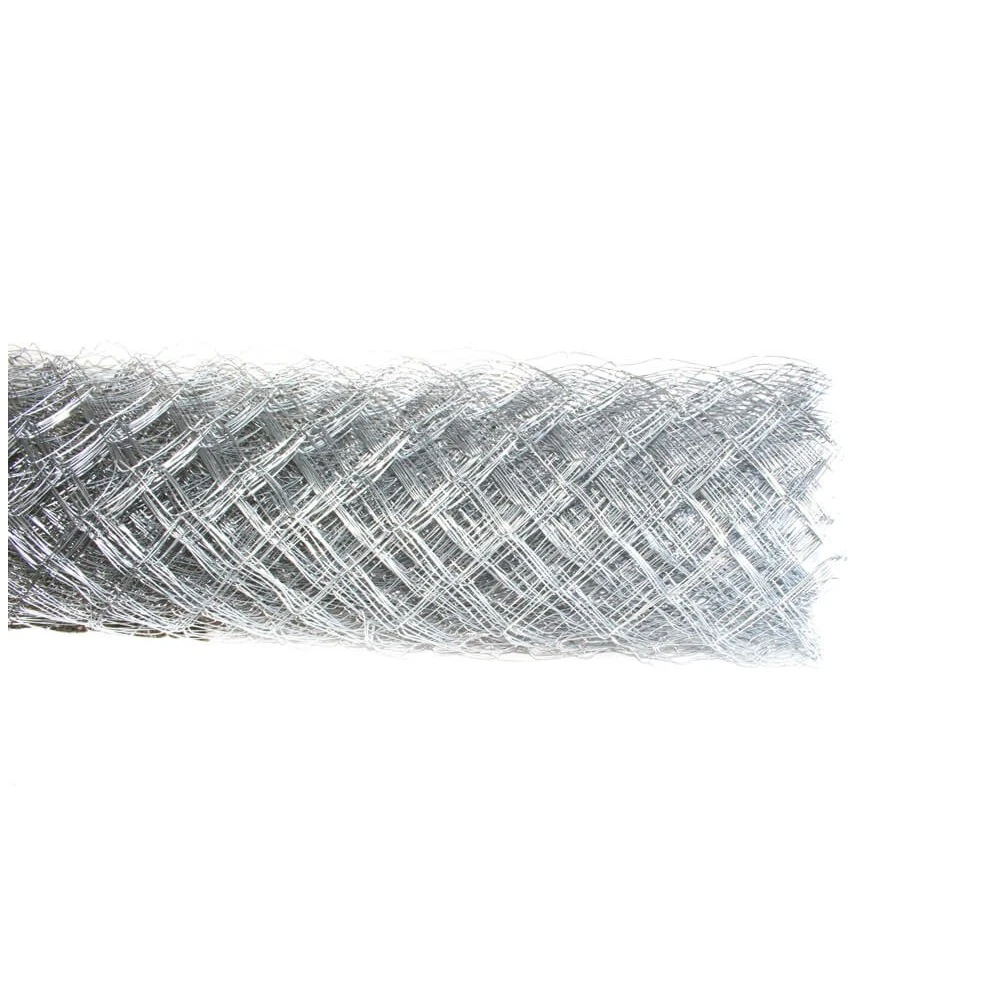
In the global push towards sustainable operations and circular economy models, effective organic waste management has transitioned from a niche concern to a core industrial and municipal responsibility. The wire mesh compost bin stands as a robust, scalable, and highly efficient solution designed for businesses, farms, municipalities, and large-scale landscaping operations. Unlike domestic composters, our industrial-grade bins are engineered for volume, durability, and superior aeration, transforming organic waste—from food scraps and agricultural residues to garden clippings—into nutrient-rich compost efficiently. This product page details why our wire mesh compost bin is the preferred choice for professionals worldwide seeking a reliable, low-maintenance, and high-yield composting system.
Our industrial wire mesh compost bin is a modular, heavy-duty containment system specifically crafted for accelerated aerobic composting. The core design principle centers on maximizing oxygen flow, the critical element for fast, odor-free decomposition. Constructed from galvanized steel wire mesh panels, the bin assembles quickly without tools into a cylindrical or square enclosure, creating an ideal environment for microbial activity. This design prevents the anaerobic conditions that cause foul smells and slow processing, common pitfalls in solid-walled systems. Suitable for processing substantial volumes of green and brown waste, this bin is not merely a container but a complete composting reactor, enabling organizations to close the organic loop, reduce landfill costs, and produce a valuable soil amendment on-site. Its simplicity is its genius, offering unparalleled performance for a wide spectrum of commercial applications.
| Specification | Standard Model | Large Capacity Model | Heavy-Duty Farm Model |
|---|---|---|---|
| Material | Galvanized Steel Wire Mesh | Galvanized Steel Wire Mesh | Powder-Coated Galvanized Steel Mesh |
| Mesh Gauge / Wire Diameter | 12 Gauge (2.6mm) | 10 Gauge (3.5mm) | 8 Gauge (4.0mm) |
| Panel Dimensions (H x W) | 1m x 1m | 1.2m x 1.2m | 1.5m x 1.2m |
| Assembled Diameter / Shape | ~1.2m (Cylindrical) | ~1.5m (Cylindrical) | Square or Rectangular Configurations |
| Approx. Volume Capacity | 1.1 cubic meters | 2.2 cubic meters | 3.5 - 4.5 cubic meters |
| Assembly System | Interlocking Clips | Heavy-Duty Hinges & Latches | Bolted Corner Brackets |
| Weight (per panel) | 4.5 kg | 7 kg | 10 kg |
| Primary Application | Landscaping, Schools, Medium Gardens | Municipal Parks, Hotels, Food Service | Agriculture, Vineyards, Large Estates |
Note: Custom sizes, mesh densities, and coatings (PVC, etc.) are available for OEM and large-volume B2B orders to meet specific project requirements.
The versatility of a well-designed wire mesh compost bin makes it an asset across numerous sectors. Its primary function is to manage organic waste streams effectively while producing a useful end-product.
City parks departments, botanical gardens, and street landscaping teams utilize multiple large-capacity bins to process grass clippings, leaves, and plant trimmings on-site. This drastically reduces transportation costs to distant processing facilities and creates compost for use in municipal planting projects, closing the local nutrient cycle.
Resorts, hotels with kitchens, and corporate cafeterias implement these bins to manage food waste compliantly. The excellent aeration minimizes odors and pests, a critical concern in such settings. The resulting compost can nourish on-site herb gardens or landscaping, enhancing sustainability credentials.
Farms, nurseries, and vineyards employ heavy-duty models to compost crop residues, manure, and spoiled produce. The wire mesh compost bin facilitates the creation of high-quality, pathogen-reduced compost that can be reapplied to fields, improving soil health and reducing dependency on synthetic fertilizers.
Universities and large corporate campuses use these bins for educational sustainability programs and practical waste management. Their simple, visible design makes them excellent tools for demonstrating the science of composting to students and staff.
Choosing a wire mesh compost bin over solid plastic tumblers, wooden pallet bins, or in-vessel systems offers distinct operational and economic benefits for professional users.
As a leading manufacturer and supplier in the international industrial marketplace, we differentiate ourselves through quality, expertise, and service tailored to B2B clients.
Engineering Excellence: Our bins are not generic wire products. The mesh gauge, weld points, and galvanizing coating are specified to withstand constant load and environmental exposure. We engineer for performance, not just assembly.
Direct Manufacturer Pricing: By dealing directly with our factory, you eliminate intermediary markups, receiving premium-grade wire mesh compost bins at highly competitive prices, especially for bulk and container orders.
Customization & OEM Services: We understand that one size does not fit all. Our engineering team can work with you to modify dimensions, mesh size, coating type, and assembly mechanisms to integrate seamlessly into your specific operation or product line.
Global Logistics Expertise: We have extensive experience in packing, documentation, and shipping container loads worldwide. Our trade compliance team ensures smooth export procedures to your destination port.
Technical Support & Guidance: We provide comprehensive documentation and access to our agronomy specialists who can advise on optimal composting practices for your specific waste stream, ensuring you achieve the best results from your investment.
Standard model container loads typically have a production and preparation lead time of 25-35 days, depending on the order volume and season. Customized orders require additional engineering time, which we will outline in your formal quotation.
For industrial-scale operations, we generally recommend avoiding meat, dairy, and oily foods in open wire mesh compost bins as they can attract larger pests and may not reach temperatures high enough to break down pathogens quickly. These materials are better suited for dedicated high-temperature in-vessel systems.
Our standard mesh size is designed to hold typical compost materials. For very fine materials, we offer optional lining with a breathable biodegradable fabric for the initial decomposition phase, or we can specify a smaller mesh size as a custom option.
Our standard and large models use robust clips or hinge systems that assemble by hand. Our heaviest-duty farm models may require basic tools (spanner) for bolted connections to achieve maximum structural integrity for very high loads.
Yes, we encourage serious B2B buyers to evaluate our quality. We can provide a sample panel or a complete small bin for testing. Sample costs are typically modest and may be credited against a future bulk order.
Standard terms for new clients are 30% T/T deposit with order confirmation, and 70% balance against copy of Bill of Lading. Established relationships may qualify for more flexible terms. Letters of Credit are also accepted.
PREV:wire mesh belting
Understanding 16 Mesh Stainless Steel Screen Applications and Performance

Understanding 304 Stainless Steel Mesh Screen for Industrial Applications
Detailed Analysis of 24 mesh stainless steel screen Applications and Performance
Understanding 20 mesh stainless steel screen Applications and Performance

Understanding 1mm Stainless Steel Wire Mesh for Filtration and Industrial Applications
Ready to move your project from technical blueprint to precision reality? Whether you require large-scale CNC machining, complex structural assembly, or specialized fabrication with rare alloys like Titanium and Nickel, our engineering team is prepared to assist. At metalfabricationcn.com, we solve the manufacturing challenges that others find too large or too complex. Reach out today to discuss your specific requirements, and let us help you optimize your supply chain with ISO 9001 certified reliability.