
Understanding 1mm Stainless Steel Wire Mesh for Filtration and Industrial Applications

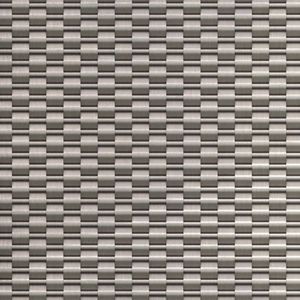
In the demanding world of industrial automation and material handling, efficiency, durability, and reliability are non-negotiable. The wire mesh conveyor stands as a cornerstone technology, engineered to meet these rigorous demands across a vast spectrum of sectors. Unlike traditional solid belt conveyors, a wire mesh conveyor utilizes a flexible, interlinked metal belt, offering unparalleled advantages for processes involving heat, cooling, washing, or drainage. This robust system is designed to transport a wide variety of items—from delicate food products to heavy cast metal parts—with precision and consistency. As a leading manufacturer in the global industrial supply chain, we provide high-performance wire mesh conveyor systems that integrate seamlessly into your production line, enhancing throughput and minimizing downtime.
Our wire mesh conveyor is a premium industrial conveying solution built for longevity and performance. The core component is its belt, constructed from high-grade stainless steel or carbon steel wires, woven or welded into a strong, flexible mesh. This open structure is the defining feature, allowing free passage of air, liquids, and gases, making it ideal for applications like baking ovens, fryers, cooling tunnels, and spray wash systems. The conveyor frame is fabricated from heavy-duty structural steel, providing a stable and rigid platform that withstands significant loads and continuous operation. We offer fully customizable wire mesh conveyor belts and systems, with variations in mesh size, wire diameter, belt type (balanced, compound balanced, or rod-reinforced), drive configurations, and accessories to perfectly match your specific process requirements, whether you need a simple straight-run conveyor or a complex multi-zone system.
The following table outlines the standard technical parameters for our modular wire mesh conveyor systems. All specifications can be customized to suit your application.
| Parameter | Specification Range | Notes |
|---|---|---|
| Belt Material | Stainless Steel (304, 316), Carbon Steel, Galvanized Steel, Special Alloys | Selected based on environment (corrosion, temperature, hygiene). |
| Mesh Type | Balanced Weave, Compound Balanced, Rod-Reinforced, Welded Mesh | Determines flexibility, strength, and flatness. |
| Mesh Size (Aperture) | From 1x1 mm to 50x50 mm and larger | Customized for product size and required open area. |
| Wire Diameter | 0.8 mm to 5.0 mm | Directly impacts belt strength and load capacity. |
| Belt Width | 100 mm to 3000 mm (Custom widths available) | Standard and custom widths to fit your line. |
| Conveyor Length | 1 meter to 100+ meters (Multi-drive for long runs) | Designed as modular sections for easy installation. |
| Load Capacity | Up to 150 kg/m² (Dependent on belt specification) | Engineered for your specific product weight and distribution. |
| Operating Temperature | -40°C to 1150°C (-40°F to 2100°F) | Special belts and components for extreme temperatures. |
| Drive Power | 0.37 kW to 15+ kW (Variable Frequency Drive Standard) | Correctly sized for load, length, and speed requirements. |
| Speed Range | 0.1 to 15 meters per minute (Adjustable) | Precisely controlled for process timing. |
| Frame Construction | Powder-coated Carbon Steel or Stainless Steel | Rigid, square-welded structure for stability. |
The versatility of the wire mesh conveyor makes it indispensable in numerous industries. Its ability to handle extreme conditions and facilitate process functions like heating, cooling, and draining unlocks efficiency in critical operations.
From raw ingredient handling to finished product packaging, our wire mesh conveyor belts are USDA and FDA-compliant. They are used in ovens (baking, roasting), fryers, coolers, freezers, steamers, washers, de-waterers, and inspection lines. The open mesh allows for even heat distribution, oil drainage, and quick cooling.
In metallurgical processes, conveyors must withstand intense heat. Our high-temperature wire mesh conveyor systems transport parts through quenching, tempering, annealing, sintering, and forging furnaces with reliability, ensuring consistent process times and product quality.
Used in annealing lehrs and decorating lines, these conveyors handle hot glass bottles, containers, and ceramic tiles. The mesh design accommodates thermal expansion and provides stable, scratch-resistant support during critical cooling phases.
Ideal for paint finishing lines, pretreatment, and coating systems. The conveyor allows paint overspray to pass through, reduces marking on parts, and is easily cleaned. It is also used in washing and phosphating stages.
Provides a static-dissipative and cleanable surface for PCB assembly lines, wave soldering machines, and component testing stations where drainage of fluxes or coolants is necessary.
The rugged construction handles abrasive materials like cans, glass, and municipal solid waste in sorting facilities, as well as bulk items in distribution centers, where durability is paramount.
Choosing a wire mesh conveyor over solid belt, plastic modular, or roller conveyors offers distinct process and economic benefits that directly impact your bottom line.
Selecting a supplier for a critical production asset like a wire mesh conveyor requires confidence in their expertise, quality, and support. We distinguish ourselves through a commitment to engineering excellence and customer success.
A: The selection is primarily driven by your product's size, weight, and the process conditions. Smaller mesh provides better support for small items, while larger mesh offers greater open area for drainage/airflow. Wire diameter is chosen based on load capacity and abrasion resistance. Our engineers will perform a detailed analysis to recommend the optimal belt specification for your wire mesh conveyor.
A: Absolutely. Inclined and declined wire mesh conveyors are common. The maximum angle depends on the product's characteristics (size, weight, coefficient of friction) and the belt surface. We can integrate flights or cleats on the belt to prevent product rollback on steeper inclines.
A: Maintenance is straightforward. Regular tasks include checking drive chain tension, lubricating bearings per schedule, and inspecting the belt for wear or damage. Cleaning typically involves brushing, pressurized water, steam, or approved chemical cleaners. The open design allows debris to fall through, preventing buildup. We provide a full maintenance guide with each system.
A: Not for a properly engineered system. We design wire mesh conveyors for severe thermal cycling. This includes selecting alloys with compatible thermal expansion coefficients, using high-temperature bearings and seals, and designing tensioning systems that accommodate belt expansion and contraction. We have extensive experience with furnace and freezer applications.
A: Lead time varies based on the complexity and size of the system. Standard modular conveyors can often be shipped within 4-6 weeks. Large, fully custom multi-zone systems may require 8-12 weeks for engineering, manufacturing, and testing. We provide a firm project timeline upon finalizing your specifications and work diligently to meet critical deadlines.
A: Yes, as a global supplier, we expertly handle all aspects of international shipping, including export documentation, customs coordination, and freight forwarding. We offer comprehensive installation manuals, video guides, and remote video support. For larger turnkey projects, we can arrange for supervised installation by our certified technicians or trusted local partners.
Understanding 1mm Stainless Steel Wire Mesh for Filtration and Industrial Applications

Understanding 300 Mesh Stainless Steel Screen Applications and Performance
Understanding the Versatility of 10 mesh stainless steel screen Applications

Detailed Analysis of 2mm Stainless Steel Mesh Properties and Applications
Comprehensive Guide to Durable 316 Stainless Steel Security Screens
Ready to move your project from technical blueprint to precision reality? Whether you require large-scale CNC machining, complex structural assembly, or specialized fabrication with rare alloys like Titanium and Nickel, our engineering team is prepared to assist. At metalfabricationcn.com, we solve the manufacturing challenges that others find too large or too complex. Reach out today to discuss your specific requirements, and let us help you optimize your supply chain with ISO 9001 certified reliability.