
Detailed Analysis of 2mm Stainless Steel Mesh Properties and Applications

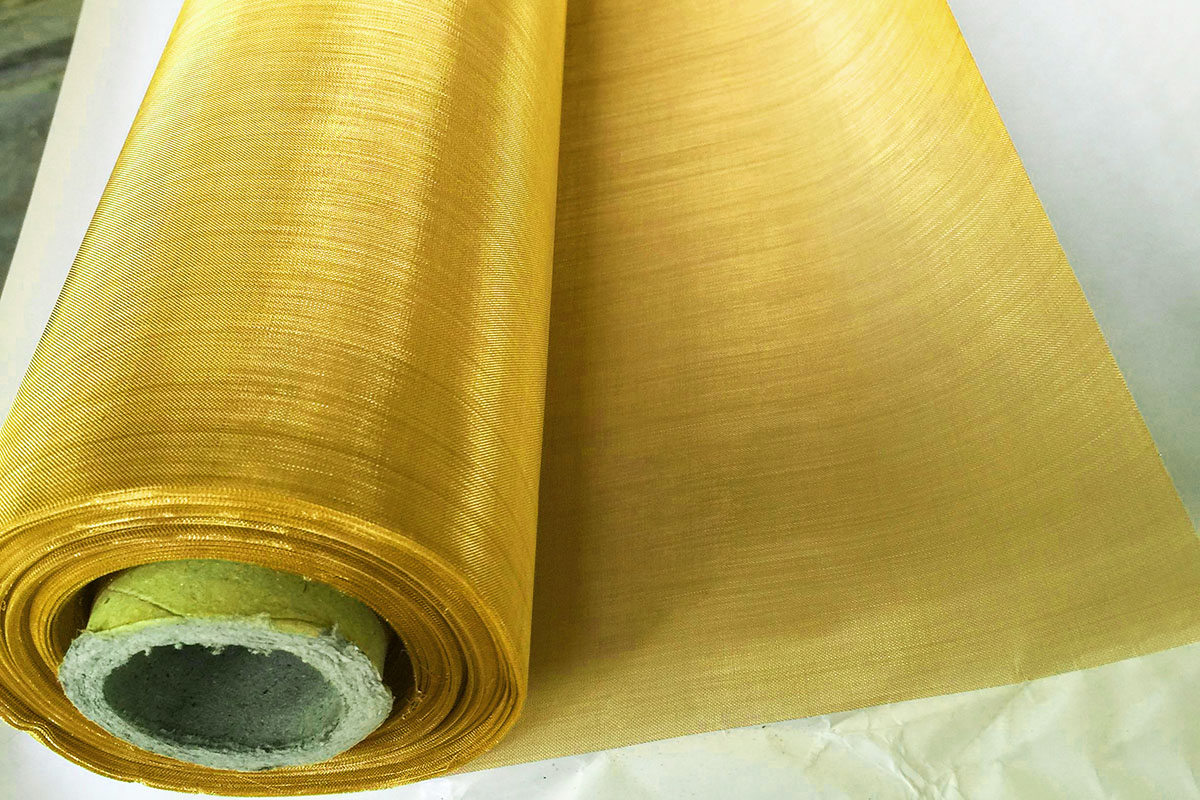
In the demanding world of industrial processing, chemical manufacturing, and high-purity applications, material failure is not an option. Titanium wire mesh stands as a premier engineered material, offering an unparalleled combination of strength, corrosion resistance, and longevity where conventional metals falter. Manufactured from high-grade titanium wires woven into precise, uniform grids, this advanced mesh is engineered to perform under extreme conditions, from aggressive chemical baths to high-temperature marine environments. As a critical component in filtration, sieving, separation, and shielding, titanium mesh provides a reliable, maintenance-free solution that significantly reduces downtime and total cost of ownership. This product page details the specifications, benefits, and vast applications of our premium titanium wire mesh, designed for engineers and procurement specialists seeking durable and efficient industrial materials.
Our titanium wire mesh is fabricated from commercially pure titanium (Grade 1 or Grade 2) and titanium alloys (such as Grade 5, Ti-6Al-4V), known for their exceptional properties. The mesh is produced through precision weaving techniques, resulting in a stable, rigid, and consistent aperture structure. Unlike coated or plated alternatives, the corrosion resistance is inherent to the titanium material itself, ensuring performance integrity throughout the entire cross-section of each wire. This makes it an ideal choice for permanent installations and critical processes. Available in a comprehensive range of weaves—including plain weave, twill weave, and Dutch weave—our titanium wire mesh can be tailored to specific filtration ratings, strength requirements, and flow characteristics. Whether used as a filter element in a chlor-alkali plant, a sieve deck in a mining operation, or an anode mesh in cathodic protection, our product delivers consistent, reliable performance.
The following table outlines the standard specifications for our range of titanium wire mesh. Custom specifications regarding wire diameter, mesh count, width, and alloy are available upon request.
| Parameter | Specification / Range | Notes |
|---|---|---|
| Material Grades | Gr1, Gr2, Gr5 (Ti-6Al-4V), Gr7, Gr9 | Gr1/Gr2 for corrosion resistance; Gr5 for high strength. |
| Weave Types | Plain Weave, Twill Weave, Dutch Weave (Plain & Twilled), Sintered Mesh | Dutch weave offers superior filtration fineness. |
| Wire Diameter | 0.025 mm to 3.0 mm | Fine wires for precision filters; thick wires for structural screens. |
| Mesh Count (per inch/linear inch) | 1 to 500 | Defines the number of openings. Higher count = finer filtration. |
| Aperture Size (Microns / mm) | 5 microns to 25 mm | Precisely controlled to meet specific separation criteria. |
| Standard Width | Up to 1500 mm (59 inches) | Wider widths available for special projects. |
| Roll Length | Standard 30-meter rolls, custom lengths available | |
| Surface Finish | Mill finish, Pickled, Electropolished | Electropolishing enhances cleanability and passive layer. |
| Temperature Resistance | Up to 600°C (1112°F) for continuous service (varies by grade) | Excellent oxidation resistance. |
The versatility of titanium wire mesh makes it indispensable across a broad spectrum of industries. Its primary function is to provide a durable, inert barrier for filtration, separation, and protection.
Used in filter presses, catalyst recovery systems, and anode baskets for electrolytic processes. Resists acids, chlorides, and sour gas environments where stainless steel would rapidly corrode.
Ideal for intake screens, brine filters, and membrane support in reverse osmosis (RO) plants. Its immunity to seawater corrosion ensures decades of reliable operation.
Employed in sterile filtration, fluidized bed dryer baskets, and powder conveying systems. Its biocompatibility and easy-clean surface meet stringent FDA and cGMP requirements.
Used in EMI/RFI shielding, composite layup tools, and as protective screens for sensitive components. The non-magnetic property is critical for navigation systems.
Serves as robust screen decks for sizing and dewatering abrasive ores. The wear resistance of titanium alloys extends screen life significantly compared to steel.
Applied in condenser tube screens, fuel cell components, and flue gas desulfurization (FGD) systems, handling high temperatures and corrosive byproducts.
Choosing titanium wire mesh is a strategic investment in process reliability and cost-efficiency. Here’s how it outperforms common alternatives:
The result is a product that delivers zero unplanned downtime, reduced replacement frequency, and superior product purity—key factors in calculating a favorable return on investment.
As a specialist manufacturer and global supplier, we provide more than just a material; we deliver a certified, performance-guaranteed solution backed by deep technical expertise.
A: Grade 2 (CP Titanium) offers excellent formability and corrosion resistance. Grade 5 (Ti-6Al-4V) is an alloy with significantly higher strength and fatigue resistance, but with slightly reduced formability. The choice depends on whether the application prioritizes extreme corrosion resistance (Grade 2) or requires high mechanical load-bearing capability (Grade 5).
A: Yes, absolutely. Titanium can be welded using TIG (GTAW) processes in an inert argon atmosphere to prevent contamination. We routinely fabricate filter baskets, conical sieves, cylindrical sleeves, and other complex shapes from titanium wire mesh based on client drawings.
A: The initial material cost of titanium is higher than stainless steel. However, for applications involving chlorides, acids, or seawater, the total lifecycle cost of titanium is almost always lower. This is due to its vastly longer service life, elimination of replacement labor, and prevention of costly production outages caused by mesh failure.
A: Yes, through the use of specialized weaves like Dutch twill weave or multi-layer sintered mesh. These constructions allow for precise micron-rated filtration while maintaining good flow rates and mechanical stability. We can provide meshes with absolute ratings down to 2-5 microns.
A: Maintenance is minimal. For most applications, backwashing with water or a mild cleaning solution is sufficient. For heavy organic or inorganic fouling, ultrasonic cleaning or a mild acid wash (e.g., nitric acid) can be used. The key advantage is that the cleaning process itself will not corrode the titanium wire mesh.
A: Yes. With every order, we supply a full Material Test Certificate (MTC/C of C) that details the alloy composition, mechanical properties, and confirms compliance with the ordered specification (e.g., ASTM F67, B265). Traceability to the melt lot is standard for critical applications.
Ready to Specify the Superior Solution? Contact our engineering sales team today with your application parameters, required specifications, or sample requests. Let us demonstrate how our high-performance titanium wire mesh can enhance the reliability, efficiency, and safety of your industrial processes.
Detailed Analysis of 2mm Stainless Steel Mesh Properties and Applications

Understanding the Versatility of 10 mesh stainless steel screen Applications

Understanding 30 Mesh Stainless Steel Screen Applications and Material Properties

Understanding 1mm Stainless Steel Wire Mesh for Filtration and Industrial Applications

Understanding 304 Stainless Steel Mesh Screen for Industrial Applications
Ready to move your project from technical blueprint to precision reality? Whether you require large-scale CNC machining, complex structural assembly, or specialized fabrication with rare alloys like Titanium and Nickel, our engineering team is prepared to assist. At metalfabricationcn.com, we solve the manufacturing challenges that others find too large or too complex. Reach out today to discuss your specific requirements, and let us help you optimize your supply chain with ISO 9001 certified reliability.