
Understanding 304 Stainless Steel Mesh Screen for Industrial Applications

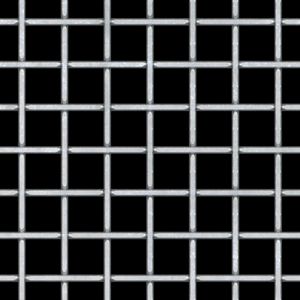
In the demanding world of industrial construction, infrastructure, and manufacturing, passive fire protection is not an option—it is a fundamental requirement. Fireproof wire mesh stands as a critical component in this safety ecosystem, offering a robust, versatile, and reliable solution for containing fire, reinforcing materials, and protecting assets. Unlike standard wire mesh, our fireproof wire mesh is specifically engineered from high-grade, heat-resistant alloys and manufactured to exacting standards, ensuring it maintains structural integrity under extreme thermal stress. This product page is designed for procurement managers, engineers, and safety officers seeking a proven, high-performance material to integrate into their fire safety strategies and project specifications.
Our fireproof wire mesh is a specialized industrial fabric woven from wires composed of heat-resistant materials such as stainless steel (304, 316, 310 grades) or other proprietary alloys. The primary function of this mesh is to act as a reinforcing and containment layer within passive fire protection systems. When embedded in fireproofing mortars, sprays, or boards, or when used as a standalone barrier, it provides tensile strength, prevents spalling of substrates, and contains the fireproofing material during a fire event. The mesh's open weave design allows for excellent adhesion of coatings while facilitating the even distribution of thermal stress. It is a cornerstone product for industries where safety codes, asset protection, and long-term structural resilience are paramount, serving as an invisible yet indispensable shield against the devastating effects of fire.
The following table details the standard specifications for our premium fireproof wire mesh. Custom configurations regarding wire diameter, mesh opening, width, and alloy are available upon request to meet specific project requirements.
| Parameter | Specification / Standard Range | Notes |
|---|---|---|
| Primary Material | Stainless Steel 304, 316, 310; Specialized Heat-Resistant Alloys | Grade selection depends on temperature requirement and environmental corrosivity. |
| Wire Diameter | 0.5 mm - 3.0 mm (20 SWG - 8 SWG) | Thicker wires offer higher strength for heavy-duty applications. |
| Mesh Opening (Aperture) | 6 mm x 6 mm to 50 mm x 50 mm (1/4" to 2") | Square weave is standard. Other patterns (rectangular) available. |
| Mesh Width | 1.0 m, 1.2 m, 1.5 m (Custom widths up to 3m) | Supplied in rolls or sheets for convenience. |
| Roll Length | Standard 30m, 50m rolls (Custom lengths available) | |
| Temperature Resistance (Continuous) | Up to 1100°C (2012°F) for specialty alloys | Exact rating depends on the specific alloy chosen. |
| Surface Finish | Plain, Galvanized (for lower temp applications) | Stainless steel typically supplied in mill finish. |
| Standards Compliance | ASTM, EN, ISO, IMO (Marine) Standards | Manufactured to meet international fire protection and construction material standards. |
The versatility of fireproof wire mesh makes it a vital material across numerous high-risk and high-value sectors. Its primary role is to reinforce and secure passive fire protection (PFP) systems.
Choosing the right fireproof wire mesh directly impacts the efficacy and longevity of your fire protection system. Our product delivers distinct advantages:
In a global market, partnering with a reliable and expert manufacturer is crucial. We are not just suppliers; we are technical partners in safety.
A: The core difference lies in the material composition and performance intent. Standard mesh is typically made from low-carbon steel and is designed for fencing, screening, or light reinforcement. Our fireproof wire mesh is manufactured from heat-resistant alloys (like specific stainless steels) engineered to retain strength and resist oxidation at extreme temperatures (often above 800°C). It is a critical, performance-specified component within a certified passive fire protection system.
A: Selection depends on two key factors: maximum expected temperature and environmental conditions. For general industrial applications with temperatures up to ~800°C, 304 SS is common. For marine or highly corrosive environments with high temperatures, 316 SS is preferred. For the most severe high-temperature applications (e.g., furnace linings, exhaust systems), 310 SS or other specialized alloys are required. Our technical team can guide you based on your project's specific data sheets.
A: Our fireproof wire mesh is designed for straightforward on-site installation. It can be easily cut with snips or shears and shaped by hand to fit contours. For large or complex projects, we offer pre-fabrication services where mesh is cut, shaped, and even pre-assembled into mats or blankets in our factory, significantly reducing labor time and potential errors on-site.
A: We provide a comprehensive Mill Test Certificate (MTC) or Certificate of Conformity with each shipment, detailing the material grade, chemical composition, mechanical properties, and batch number. For projects requiring it, we can arrange for third-party inspection and certification from recognized international bodies.
A: Absolutely. We strongly encourage and facilitate product testing. We provide free material samples for your in-house evaluation or for submission to your approved third-party fire testing laboratory. Ensuring the mesh performs as expected within your specific system is a fundamental step we fully support.
A: Standard fireproof wire mesh is typically packed in sturdy, weather-resistant rolls on wooden pallets to prevent damage during transit. Lead times vary: standard specifications are often available from stock, while custom orders require production time. We provide clear and reliable lead time estimates upon quotation, prioritizing transparency in our supply chain.
PREV:12g wire mesh
NEXT:4 wire mesh
Understanding 304 Stainless Steel Mesh Screen for Industrial Applications

Comprehensive Guide to Durable 316 Stainless Steel Security Screens

Detailed Analysis of 24 mesh stainless steel screen Applications and Performance
Understanding the Versatility of 10 mesh stainless steel screen Applications

Understanding 30 Mesh Stainless Steel Screen Applications and Material Properties
Ready to move your project from technical blueprint to precision reality? Whether you require large-scale CNC machining, complex structural assembly, or specialized fabrication with rare alloys like Titanium and Nickel, our engineering team is prepared to assist. At metalfabricationcn.com, we solve the manufacturing challenges that others find too large or too complex. Reach out today to discuss your specific requirements, and let us help you optimize your supply chain with ISO 9001 certified reliability.