Strategic Custom Metal Fabrication Services

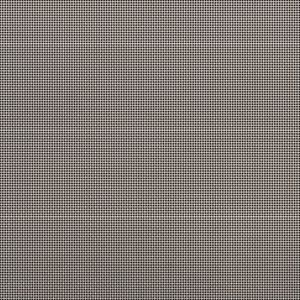
In the demanding world of industrial applications, material selection is paramount. Our high-performance plastic mesh wire represents a significant advancement over traditional metal meshes, offering a superior blend of durability, versatility, and chemical resistance. Engineered from premium-grade polymers such as HDPE (High-Density Polyethylene) or PP (Polypropylene), this innovative product is extruded into a uniform, grid-like structure that provides exceptional strength-to-weight ratio. Designed for B2B clients in construction, agriculture, safety, and filtration, our plastic mesh wire is the modern answer to corrosion, maintenance costs, and installation challenges. It is a critical component for projects requiring reliable, long-lasting, and non-conductive material performance in diverse environmental conditions.
Our plastic mesh wire is available in a range of standard and custom configurations to meet precise project requirements. The specifications below outline our core product line. Customization of mesh size, wire diameter, roll dimensions, and color is available upon request for bulk orders.
| Parameter | Specification Range | Description / Standard Options |
|---|---|---|
| Base Material | HDPE, PP, Nylon | HDPE (most common, excellent chemical/UV resistance), PP (high rigidity), Nylon (high abrasion resistance). |
| Mesh Aperture (Hole Size) | 5mm x 5mm to 100mm x 100mm | Square or rectangular openings. Common sizes: 10x10mm, 25x25mm, 50x50mm. |
| Wire Diameter (Strand Thickness) | 1.0mm to 4.0mm | Directly correlates to strength and rigidity. 2.0mm is a standard for general-purpose use. |
| Roll Dimensions | Width: 0.5m - 2.0m; Length: 25m, 50m, 100m | Standard roll length is 50m. Custom widths and lengths available for OEM projects. |
| Color | Black, White, Green, Orange, Custom | Black (standard, highest UV resistance). Safety colors (Orange, Green) for visibility. |
| Tensile Strength | > 20 MPa (HDPE) | Ensures the mesh can bear significant load and stress without failure. |
| Operating Temperature Range | -40°C to +80°C (HDPE) | Remains flexible in freezing conditions and stable in high ambient heat. |
The adaptability of plastic mesh wire makes it a cornerstone material across multiple industries. Its unique properties solve common problems associated with traditional materials.
Used as a reinforcing scrim in plaster and stucco systems, for concrete crack prevention, and as a protective barrier around freshly poured concrete. Its lightweight nature simplifies handling on scaffolding and high-rise projects.
Ideal for plant support (trellising for tomatoes, cucumbers, vines), poultry fencing, garden enclosure, soil erosion control mats, and shading screens. It is safe for animals and plants, resisting corrosion from fertilizers and moisture.
Creates effective machine guards, safety barriers, and warehouse partitions. Its high visibility (in safety colors) and non-conductive properties enhance workplace safety around electrical equipment.
Serves as an excellent filter medium in water treatment, aquaculture, and chemical processing for separating solids from liquids. Different aperture sizes cater to various filtration grades.
Used to create durable, ventilated packaging for bulky items and to secure loads on pallets. It provides protection while allowing for air circulation, which is crucial for certain goods.
Choosing our plastic mesh wire is a strategic decision that delivers tangible operational and financial benefits throughout your project lifecycle.
In a global marketplace, partnering with a reliable and expert manufacturer is critical. We are not just a supplier; we are a solutions provider for your material challenges.
A: HDPE (High-Density Polyethylene) plastic mesh wire offers superior flexibility, impact resistance, and very high chemical/UV resistance, making it ideal for outdoor, safety, and containment applications. PP (Polypropylene) has a higher rigidity and melting point, offering excellent fatigue resistance for hinged or frequently flexed applications, though its UV resistance is generally lower than HDPE unless specifically stabilized.
A: Yes. Our standard HDPE plastic mesh wire is rated for continuous use from -40°C to +80°C. It remains flexible in freezing conditions without becoming brittle and retains its strength in high ambient temperatures, making it suitable for virtually all global climates.
A: Installation is straightforward. The mesh can be cut with heavy-duty scissors or a utility knife. Joining is most commonly done using UV-resistant plastic cable ties threaded through the mesh apertures. For permanent, high-strength seams, thermal welding (using a specialized plastic welder) is recommended.
A: For perimeter fencing where high tensile strength and cut resistance are primary concerns, steel mesh is typically recommended. However, our heaviest-duty plastic mesh wire (e.g., 4.0mm diameter) is excellent for animal enclosures, garden fencing, and as a protective barrier where corrosion resistance is a priority over ultimate deterrence. It provides a robust, long-lasting barrier against pests and animals.
A: For standard specifications, our MOQ is typically one 50-meter roll. We offer highly competitive pricing for container-load (FCL) orders. Lead times for standard items are short, often from stock. For customized plastic mesh wire (special size, color, material), lead times vary based on the order volume and complexity; our sales team will provide a precise timeline upon quotation.
A: Absolutely. We encourage potential B2B partners to test our material's quality. We are happy to provide free samples of our standard plastic mesh wire for your evaluation and testing procedures. Please contact our sales team with your specification request to arrange a sample shipment.
NEXT:trailer wire mesh
Strategic Custom Metal Fabrication Services

Understanding 20 mesh stainless steel screen Applications and Performance

Understanding 100 mesh stainless steel screen for Industrial Applications
Detailed Analysis of 24 mesh stainless steel screen Applications and Performance

Comprehensive Guide to Durable 316 Stainless Steel Security Screens
Ready to move your project from technical blueprint to precision reality? Whether you require large-scale CNC machining, complex structural assembly, or specialized fabrication with rare alloys like Titanium and Nickel, our engineering team is prepared to assist. At metalfabricationcn.com, we solve the manufacturing challenges that others find too large or too complex. Reach out today to discuss your specific requirements, and let us help you optimize your supply chain with ISO 9001 certified reliability.