
Comprehensive Guide to Durable 316 Stainless Steel Security Screens

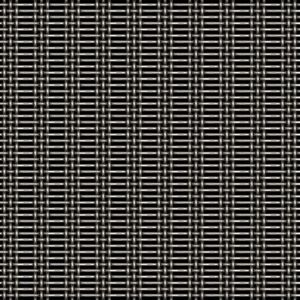
In the demanding world of industrial filtration, separation, and protection, the integrity of your materials is paramount. Our ss wire mesh screen represents the pinnacle of engineering for these critical applications. Manufactured from high-grade stainless steel alloys, this versatile mesh product offers an exceptional combination of strength, corrosion resistance, and precise aperture control. Designed to withstand harsh environments—from chemical processing plants to high-temperature food production lines—our wire mesh screens are the reliable, long-lasting solution for professionals who cannot afford component failure. This product page details the specifications, benefits, and diverse uses of our industry-leading stainless steel wire mesh, providing you with the technical confidence to specify the perfect screen for your project.
An ss wire mesh screen is a grid-like structure fabricated by weaving or welding strands of stainless steel wire into a uniform pattern. This creates a robust yet permeable sheet with precise openings, or "mesh count," designed to filter particles, provide security, allow for airflow, or reinforce materials. Unlike ordinary wire screens, our stainless steel (SS) versions leverage the inherent properties of alloys like 304, 316, and 316L to deliver unmatched performance. They resist rust, oxidation, and corrosion from moisture, chemicals, and extreme temperatures, ensuring a long service life with minimal maintenance. Whether you require a fine filter for powders or a heavy-duty guard for machinery, our comprehensive range of weaves, wire diameters, and mesh sizes provides a tailored solution for virtually any industrial challenge.
| Parameter | Specification Details | Available Options / Notes |
|---|---|---|
| Material Grade | AISI 304, 304L, 316, 316L, 430 | 316/L recommended for highly corrosive or marine environments. |
| Mesh Count | 2 Mesh to 500 Mesh | Defines openings per linear inch. Lower count = larger openings, higher strength. |
| Wire Diameter | 0.025mm to 3.0mm | Directly impacts strength, weight, and open area percentage. |
| Weaving Type | Plain Weave, Twill Weave, Dutch Weave, Welded Mesh | Plain weave is standard. Dutch weave offers finer filtration. Welded for rigidity. |
| Sheet/Roll Dimensions | Sheets: Up to 1.5m x 3m (Customizable) Rolls: Width up to 2m, Length 30m |
Custom cutting, bending, and fabrication services available. |
| Surface Finish | Mill Finish, Electro-Polished, Galvanized (upon request) | Electro-polishing enhances corrosion resistance and cleanability. |
The utility of a high-quality ss wire mesh screen spans across virtually every industrial sector. Its primary function is to separate, filter, protect, or reinforce, making it an indispensable component in modern manufacturing and infrastructure.
In chemical processing, oil and gas, and water treatment plants, our mesh acts as a filter screen for liquids and gases, removing contaminants and catalyst beds. In food and beverage production, it is used for sifting flour, straining juices, and filtering brewing products. The mining and aggregate industry relies on it for grading and sizing crushed materials.
As a protective barrier, welded ss wire mesh screen is used for machine guards, safety screens around equipment, and partitions in factories. Its strength makes it ideal for security applications such as window guards, enclosure fencing, and anti-cladding panels in architectural projects.
Architects and designers specify our mesh for interior and exterior cladding, sunscreens, balustrades, and decorative facades. The combination of durability and aesthetic appeal allows for creative yet functional designs in modern buildings.
In construction, it is embedded in concrete or plaster as reinforcement to prevent cracking (e.g., stucco netting). In the automotive and aerospace industries, fine mesh is used as reinforcement in composite materials and for EMI/RFI shielding.
Choosing a stainless steel wire mesh screen over other materials like galvanized steel, aluminum, or synthetic polymers offers decisive benefits that impact your bottom line and operational reliability.
In a global market, selecting the right partner is as critical as selecting the right material. We distinguish ourselves through a commitment to quality, service, and technical expertise that ensures your project's success.
A: Both are excellent, but 316 stainless steel contains molybdenum, which significantly enhances its corrosion resistance, particularly against chlorides and acids. We recommend 304 for general-purpose applications (food processing, architectural) and 316 for harsh environments (marine, chemical processing, coastal areas).
A: The key parameters are mesh count (which determines the size of particles retained) and wire diameter (which affects strength and open area). Our technical team can assist you in selecting the optimal combination based on your particle size distribution, flow rate, and pressure drop requirements.
A: Absolutely. Beyond supplying rolls and sheets, we offer comprehensive fabrication services including cutting to size, bending, rolling, welding of frames, and adding attachments. Send us your drawings for a precise quote.
A: Standard mesh specifications are typically available for shipment within 5-7 business days. Custom weaves, alloys, or fabricated parts require additional production time, which we will communicate transparently upon order confirmation. We prioritize rush orders whenever possible.
A: For maximum life, ensure the mesh is installed without creating stress points. While stainless steel is low-maintenance, periodic cleaning with water and a mild detergent is recommended to remove buildup, especially in filtration roles. Avoid using hydrochloric acid-based cleaners on 304 grades.
PREV:4 x 4 wire mesh
Comprehensive Guide to Durable 316 Stainless Steel Security Screens
Strategic Custom Metal Fabrication Services

Understanding 304 Stainless Steel Mesh Screen for Industrial Applications

Detailed Analysis of 24 mesh stainless steel screen Applications and Performance
Understanding the Versatility of 10 mesh stainless steel screen Applications
Ready to move your project from technical blueprint to precision reality? Whether you require large-scale CNC machining, complex structural assembly, or specialized fabrication with rare alloys like Titanium and Nickel, our engineering team is prepared to assist. At metalfabricationcn.com, we solve the manufacturing challenges that others find too large or too complex. Reach out today to discuss your specific requirements, and let us help you optimize your supply chain with ISO 9001 certified reliability.