
Understanding 300 Mesh Stainless Steel Screen Applications and Performance

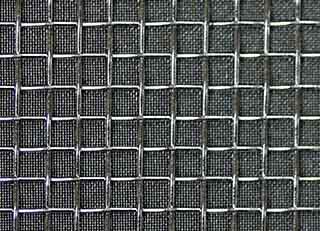
In the demanding world of industrial filtration, screening, and separation, the choice of mesh material is critical to process efficiency, product quality, and operational longevity. Flat wire mesh stands out as a superior engineered solution, offering unparalleled precision and durability for a vast array of applications. Unlike traditional woven wire cloth made from round wires, flat wire mesh is manufactured using precisely calibrated flat strips, resulting in a smooth, uniform surface with consistent, accurate slot openings. This unique construction makes it the ideal choice for applications requiring precise particle retention, high flow rates, and minimal blinding. As a leading global supplier, we provide premium-grade flat wire mesh tailored to meet the rigorous standards of industries worldwide, from mining and agriculture to food processing and wastewater treatment.
Our flat wire mesh is engineered for performance, combining advanced manufacturing techniques with high-quality materials to deliver a product that exceeds expectations.
Our flat wire mesh is available in a comprehensive range of specifications to suit your exact application needs. The table below outlines our standard offerings. Custom dimensions, materials, and slot profiles can be engineered upon request.
| Parameter | Specifications & Options | Notes |
|---|---|---|
| Primary Material | Stainless Steel (304, 304L, 316, 316L), Carbon Steel, Galvanized Steel, Special Alloys (Inconel, Hastelloy) | Material selection depends on corrosion resistance, temperature, and strength needs. |
| Slot Opening (Aperture) | Range: 0.1mm (0.004") to 25mm (1") | Tight tolerances ensure precise separation. Custom openings available. |
| Wire Dimensions (Width x Thickness) | Typical: 1mm x 0.5mm to 10mm x 3mm | Flat wire profile provides strength and defines the slot geometry. |
| Open Screening Area | Up to 75% (varies with slot size and wire dimensions) | Higher open area promotes superior flow rates and efficiency. |
| Mesh Panel Dimensions | Standard widths up to 2000mm. Custom lengths and panel sizes. | Fabricated to fit specific machine decks, sieves, or filter assemblies. |
| Weave Type / Construction | Single Crimp, Double Crimp, Lock Crimp, Welded | Construction affects stability, rigidity, and suitability for vibration. |
| Surface Finish | Mill finish, Electropolished, Coated (upon request) | Finish can enhance corrosion resistance, cleanability, or release properties. |
The versatility and robustness of flat wire mesh make it indispensable across numerous sectors. Its primary function is accurate size-based separation, but it also excels in support, filtration, and protection roles.
Choosing the right screening medium directly impacts your bottom line. Here’s why flat wire mesh is often the optimal investment compared to perforated plate or traditional woven mesh.
In a global market, partnership matters. We are not just a vendor; we are a solutions provider dedicated to your operational success.
The primary benefit is the precision of the slot opening. While square mesh has a variable diagonal measurement, the slot in a flat wire mesh has a strictly controlled width, allowing for more accurate particle separation. Additionally, the flat surface reduces blinding.
Absolutely. In fact, it is one of the most common applications. We offer specific weave types like lock crimp or pre-tensioned welded constructions that provide exceptional stability and rigidity to withstand continuous, high-intensity vibration without loosening or fatiguing.
Material selection depends on your operating environment. For general purposes and food contact, 304/304L is often sufficient. If your process involves chlorides, salts, or more corrosive chemicals, 316/316L stainless steel offers superior pitting resistance. Our technical team can advise based on your specific media and conditions.
Lead times vary based on the complexity and quantity of the order. For standard specifications, we often have stock or can produce within 2-3 weeks. Complex fabrications or large custom orders may require 4-6 weeks. We provide firm timelines upon order confirmation and prioritize clear communication throughout the process.
Yes. We provide detailed installation guidelines for our flat wire mesh panels. Furthermore, our technical support is available to help diagnose performance issues related to screening, such as premature wear or blinding, and recommend solutions to optimize your process efficiency.
Understanding 300 Mesh Stainless Steel Screen Applications and Performance

Understanding 304 Stainless Steel Mesh Screen for Industrial Applications

Understanding 12 mesh stainless steel screen Applications and Technical Details
Strategic Custom Metal Fabrication Services
Understanding 16 Mesh Stainless Steel Screen Applications and Performance
Ready to move your project from technical blueprint to precision reality? Whether you require large-scale CNC machining, complex structural assembly, or specialized fabrication with rare alloys like Titanium and Nickel, our engineering team is prepared to assist. At metalfabricationcn.com, we solve the manufacturing challenges that others find too large or too complex. Reach out today to discuss your specific requirements, and let us help you optimize your supply chain with ISO 9001 certified reliability.