
Understanding 16 Mesh Stainless Steel Screen Applications and Performance

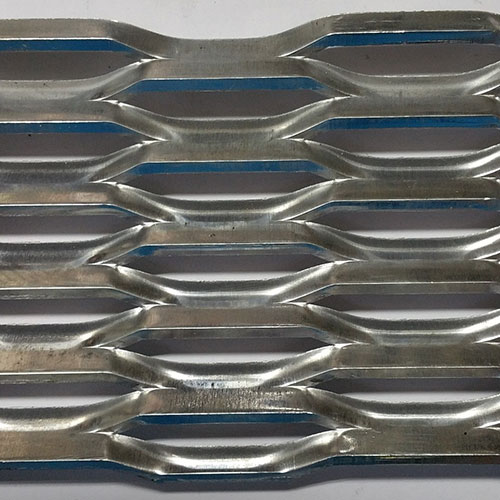
In the demanding world of industrial manufacturing, construction, and agriculture, selecting the right material for reinforcement, filtration, and protection is critical. Wire mesh hexagonal, commonly known as hexagonal wire netting or chicken wire, stands out as a remarkably versatile and cost-effective engineered product. Far from being limited to simple fencing, this mesh, characterized by its distinctive six-sided honeycomb pattern, offers a unique combination of flexibility, strength, and permeability. This comprehensive product page details the specifications, benefits, and myriad applications of high-quality wire mesh hexagonal, engineered to meet the rigorous standards of global B2B clients. Our product is manufactured under strict quality controls, ensuring consistent performance for your most challenging projects.
Wire mesh hexagonal is a fabricated metal mesh formed from low carbon iron wire or galvanized steel wire, twisted into a uniform hexagonal opening structure. This classic design is not an accident of manufacturing; the hexagonal shape provides an optimal balance between material usage and structural integrity. The twisting process, where the wires are woven together at each intersection, creates a mesh that is inherently flexible yet resistant to unravelling. This makes it exceptionally easy to handle, cut, and shape on-site without specialized tools. Primarily supplied in rolls, hexagonal wire netting can be deployed quickly over large areas, making it an efficient solution for projects ranging from slope stabilization to poultry enclosures. Its open area percentage is high, allowing for excellent airflow, light penetration, and drainage, which are crucial factors in many agricultural and civil engineering contexts.
Our wire mesh hexagonal is produced to exacting international standards. The specifications below outline our standard product range. Custom configurations regarding wire diameter, mesh size, width, and coating are available upon request for large-volume orders.
| Specification | Standard Range | Description |
|---|---|---|
| Mesh Opening (Inch/mm) | 1/2" (13mm), 3/4" (19mm), 1" (25mm), 2" (50mm) | The distance between parallel sides of the hexagon. Determines filtration grade and barrier fineness. |
| Wire Diameter (Gauge/mm) | 19Ga (1.0mm), 18Ga (1.2mm), 16Ga (1.6mm), 14Ga (2.0mm) | Thickness of the wire used. A lower gauge number indicates a thicker, stronger wire. |
| Standard Roll Width | 0.5m, 1m, 1.2m, 1.5m | Common widths supplied. Custom widths up to 2 meters can be manufactured. |
| Roll Length | 25m, 30m, 50m (Standard) | Roll length can be adjusted to minimize waste and optimize logistics for your project. |
| Material & Coating | Galvanized Steel (Electro & Hot-Dip), PVC-Coated, Stainless Steel 304/316 | Hot-dip galvanizing offers superior rust protection. PVC coating adds color and extra abrasion resistance. |
| Tensile Strength | 350-550 N/mm² | Measures the wire's resistance to breaking under tension, ensuring structural reliability. |
The utility of wire mesh hexagonal spans across multiple industries due to its adaptable nature. Its primary function is often that of a reinforcing agent or a permeable barrier.
Choosing hexagonal wire netting provides distinct operational and economic benefits compared to welded mesh, expanded metal, or solid barriers.
As a leading supplier in the international industrial market, we differentiate ourselves through unwavering commitment to quality, service, and client success.
A: Galvanized wire mesh hexagonal has a zinc coating applied to the steel wire for rust protection. Electro-galvanizing is suitable for standard applications, while hot-dip galvanizing offers a thicker, more durable coat for harsh environments. PVC-coated mesh features a layer of polyvinyl chloride over the galvanized wire, providing additional corrosion resistance, a colorful finish (often green or black), and improved resistance to abrasion and UV degradation.
A: The choice depends on the application's primary requirement. For keeping small animals in or out, a smaller mesh (1/2" or 3/4") is needed. For gabion walls or slope stabilization with large stone, a 2" or 3" mesh is standard. The wire gauge determines strength: use a heavier gauge (e.g., 16Ga or 14Ga) for structural applications like gabions and a lighter gauge (e.g., 19Ga) for temporary fencing or plant support. Our technical team can provide specific recommendations based on your project details.
A: Yes, it is commonly used as a light reinforcement mesh under plaster (stucco) to prevent cracking. For structural concrete reinforcement (e.g., in slabs or foundations), specifically engineered welded wire fabric (WWF) or rebar is typically specified due to its higher tensile strength and rigid spacing. Our hexagonal wire mesh is ideal for non-structural render and mortar applications.
A: Rolls are typically wrapped in strong, waterproof plastic film and then secured onto wooden pallets or within wooden crates for maximum protection during ocean freight. Each package is clearly labeled with product specifications, quantity, and handling instructions. We tailor the packaging to the specific transit method and destination to ensure safe arrival.
A: We are happy to provide free material samples of our wire mesh hexagonal for your evaluation and testing. For large, custom-configured orders, standard lead times range from 14-30 days after confirmation, depending on the quantity and specifications. We maintain a stock of popular standard items for quicker dispatch. Our sales team provides precise timelines with every quotation.
Understanding 16 Mesh Stainless Steel Screen Applications and Performance
Understanding 300 Mesh Stainless Steel Screen Applications and Performance

Understanding 304 Stainless Steel Mesh Screen for Industrial Applications
Understanding 20 mesh stainless steel screen Applications and Performance

Understanding 100 mesh stainless steel screen for Industrial Applications
Ready to move your project from technical blueprint to precision reality? Whether you require large-scale CNC machining, complex structural assembly, or specialized fabrication with rare alloys like Titanium and Nickel, our engineering team is prepared to assist. At metalfabricationcn.com, we solve the manufacturing challenges that others find too large or too complex. Reach out today to discuss your specific requirements, and let us help you optimize your supply chain with ISO 9001 certified reliability.