
Understanding 12 mesh stainless steel screen Applications and Technical Details

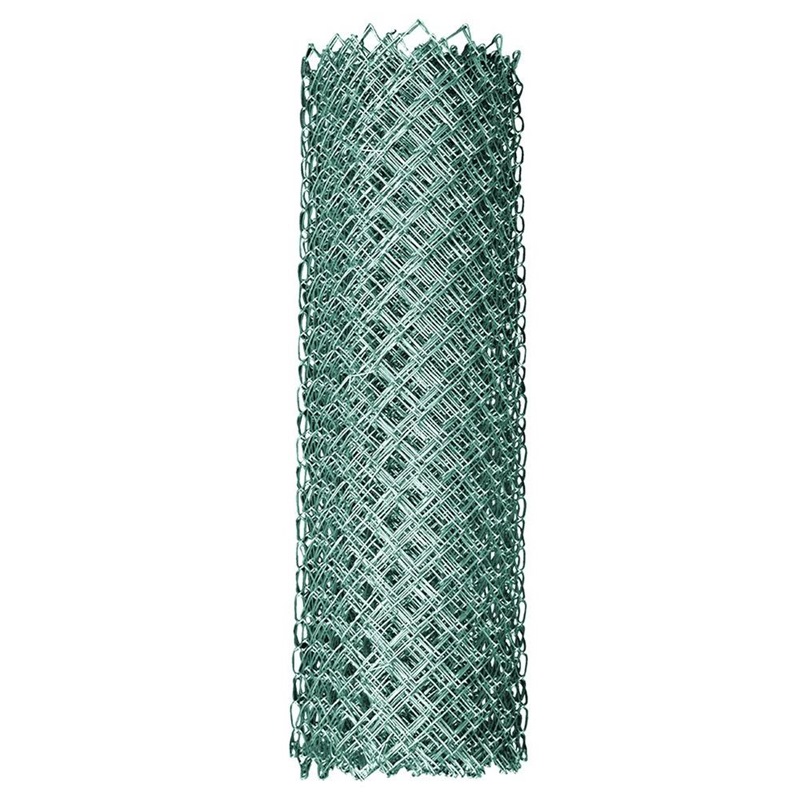
Rectangle wire mesh, also known as rectangular opening wire mesh or oblong mesh, is a highly versatile and robust industrial screening and filtering material. Characterized by its elongated, slot-shaped openings, this type of mesh is engineered for applications where efficient dewatering, sizing, or screening of elongated particles is required. Unlike square mesh, the rectangular aperture provides a higher percentage of open area, facilitating faster throughput and reduced blinding. Our precision-woven rectangle wire mesh is manufactured from high-quality metals, including stainless steel, carbon steel, and galvanized steel, ensuring exceptional durability and performance in demanding environments. It stands as a critical component in numerous industries, from mining and aggregates to food processing and wastewater treatment, offering a reliable solution for precise separation and filtration tasks.
Our standard range of rectangle wire mesh is detailed below. Custom specifications beyond these ranges are available upon request to meet unique application demands.
| Specification | Details & Standard Range | Notes |
|---|---|---|
| Aperture Size (Slot) | Width: 0.5mm - 25mm | Length: 2mm - 100mm | Defines the separation capability. Custom length-to-width ratios available. |
| Wire Diameter | 0.5mm - 8.0mm | Heavier wire diameters provide increased durability for high-impact applications. |
| Mesh Material | Stainless Steel (304, 316, 316L), Carbon Steel, Galvanized Steel, Brass, Copper | Material selection is critical for corrosion resistance, strength, and compliance. |
| Open Area | 25% - 70% (varies with aperture/wire dimensions) | Higher open area promotes better flow and throughput. |
| Weave Type | Plain Weave, Double Crimp, Lock Crimp | Lock crimp is standard for heavy-duty applications, ensuring wire stability. |
| Standard Panel Size | 1m x 2m, 1.2m x 2.4m, or rolls up to 2m wide x 30m long | Cut-to-size panels, rolls, or pre-fabricated screen decks can be supplied. |
| Edge Finishing | Raw Cut, Hemmed Edges, Hook Strips, Reinforced Borders | Edge preparation ensures safe handling and secure installation in frames. |
The functional design of rectangle wire mesh makes it indispensable across a broad spectrum of industrial sectors. Its primary role is in separation, classification, and filtration processes.
Choosing rectangle wire mesh over alternative screening media provides tangible benefits that directly impact operational efficiency and cost-effectiveness.
As a leading manufacturer and global supplier of industrial wire mesh, we are committed to being more than just a vendor; we are your technical partner in filtration and separation.
A: The key difference lies in the aperture shape and its functional benefit. Square mesh separates particles based on their width, while rectangle wire mesh separates based on thickness. The rectangular slot provides a higher open area, which is better for dewatering, handling elongated particles, and applications requiring high flow rates with reduced risk of blinding.
A: Critical parameters include the required aperture (slot width and length), wire diameter, material (based on corrosion and temperature needs), and the weave type. The most important factor is the particle size distribution of your material. Our technical team can assist you in analyzing your needs to specify the optimal mesh that balances accuracy, throughput, and service life.
A: Absolutely. Customization is a core strength. We can produce rectangle wire mesh in non-standard panel sizes, cut-to-shape pieces for specific machinery, and with unique aperture aspect ratios. We also offer various edge preparations like hook strips or reinforced borders for direct installation into vibrating screen frames.
A: For highly corrosive environments (e.g., chemical processing, marine applications, or high-chloride settings), stainless steel, particularly Grade 316 or 316L, is strongly recommended. While galvanized steel offers good general-purpose corrosion resistance, the zinc coating can wear or corrode over time. Stainless steel provides superior, long-term corrosion resistance throughout the entire material.
A: Lock crimp is a weaving style where the warp and weft wires are pre-crimped and then "locked" together at each intersection under high pressure. This prevents wire movement under heavy load and vibration, which is common in industrial screening. For rectangle wire mesh used in high-impact applications like mining, lock crimp is essential for maintaining aperture accuracy and extending screen life.
A: Consistency is achieved through precision weaving on computer-controlled looms and strict quality control. We use calibrated gauges and optical measurement systems to continuously monitor the slot width, length, and wire diameter during production. This ensures every square meter of rectangle wire mesh performs identically, which is crucial for achieving consistent product quality in your screening process.
Understanding 12 mesh stainless steel screen Applications and Technical Details

Detailed Analysis of 24 mesh stainless steel screen Applications and Performance
Comprehensive Guide to Durable 316 Stainless Steel Security Screens
Strategic Custom Metal Fabrication Services

Understanding 1mm Stainless Steel Wire Mesh for Filtration and Industrial Applications
Ready to move your project from technical blueprint to precision reality? Whether you require large-scale CNC machining, complex structural assembly, or specialized fabrication with rare alloys like Titanium and Nickel, our engineering team is prepared to assist. At metalfabricationcn.com, we solve the manufacturing challenges that others find too large or too complex. Reach out today to discuss your specific requirements, and let us help you optimize your supply chain with ISO 9001 certified reliability.