
Comprehensive Guide to Durable 316 Stainless Steel Security Screens

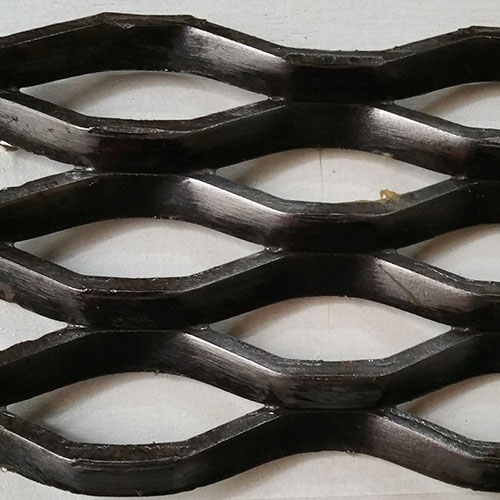
In the realm of contemporary architecture and industrial design, the demand for materials that blend aesthetic appeal with structural integrity has never been higher. Architectural woven wire mesh emerges as a definitive answer to this challenge. This versatile and high-performance material is engineered from durable metals, woven into precise patterns, to create dynamic surfaces for facades, sunscreens, interior partitions, balustrades, and security applications. More than just a functional component, architectural woven wire mesh serves as a dynamic design element, manipulating light, shadow, and visibility to create stunning visual effects and controlled environments. As a leading supplier in the global market, we provide premium-grade woven wire solutions that meet the exacting standards of architects, contractors, and developers worldwide, ensuring durability, sustainability, and unparalleled design flexibility.
Our product line is distinguished by a set of core features that address the critical needs of modern construction and design projects. Each feature is a result of advanced manufacturing techniques and a deep understanding of architectural application.
To ensure precise specification and integration into your project, refer to our standard technical parameters below. All specifications can be tailored to meet unique project requirements.
| Parameter | Specification Range | Common Standards |
|---|---|---|
| Primary Materials | Stainless Steel 304/316, Aluminum, Copper, Brass | ASTM, DIN, EN, GB |
| Wire Diameter | 0.5 mm – 6.0 mm | ±0.02 mm tolerance |
| Mesh Opening (Aperture) | 2 mm x 2 mm – 100 mm x 100 mm | Custom patterns available |
| Open Area Percentage | 15% – 85% | Affects transparency & airflow |
| Standard Panel Width | Up to 2500 mm | Limited by loom capacity |
| Standard Panel Length / Coils | Custom lengths, up to 30m coils | Minimizes on-site joints |
| Surface Treatment | Mill finish, Electro-polished, Powder Coating, Anodizing (Al) | RAL, Pantone color matching |
| Tensile Strength | 500 – 1200 N/mm² (material dependent) | ISO 6892-1 |
| Fire Rating | Class A1 Non-combustible (metal) | EN 13501-1 |
The adaptability of architectural woven wire mesh makes it a preferred material across a diverse spectrum of projects. Its ability to serve both as a striking visual feature and a practical building component is unparalleled.
Choosing architectural woven wire mesh provides a multitude of benefits that traditional materials like solid metal panels, glass, or perforated sheets cannot match.
In a competitive global market, our company stands out as a trusted partner for premium architectural metal mesh solutions. Our commitment to excellence is reflected in every stage of our engagement.
The cost is influenced by several key factors: the type of metal alloy (e.g., 316 stainless steel is more costly than 304 or aluminum), the wire diameter and weave complexity, the percentage of open area, any custom surface treatments or colors, and the total project volume. We provide detailed quotations based on your specific technical drawings.
Absolutely. We strongly encourage project teams to request our comprehensive sample kit, which includes physical swatches of various weaves and finishes. Furthermore, our technical department can generate detailed CAD drawings (DWG/DXF) and material specifications sheets for seamless integration into your construction documents.
Installation typically involves a tensioned cable system or a framed panel system. We supply the mesh in panels or rolls along with custom-designed attachment hardware (clamps, bolts, edge trims). We provide full installation manuals and can recommend experienced installation partners in your region to ensure a flawless finish.
Lead times vary based on order complexity and volume. For standard specifications, production can typically be completed within 3-4 weeks. Fully customized projects involving new tooling or unique finishes may require 6-8 weeks. We always provide a clear production schedule upon order confirmation.
Maintenance is remarkably simple. In most environments, natural rainwater is sufficient to keep the mesh clean. For areas with heavy pollution or salt spray, periodic cleaning with mild soap and water using a soft brush or low-pressure water rinse is recommended. Avoid abrasive cleaners or high-pressure jets on tensioned systems.
Yes. When engineered and installed correctly with the appropriate tensioning system and support structure, our mesh is highly effective in dynamic load conditions. The open structure allows wind to pass through, reducing pressure loads. We can perform or provide data for specific wind load and seismic calculations based on project location and design.
PREV:wire mesh welder
NEXT:artistic wire mesh
Comprehensive Guide to Durable 316 Stainless Steel Security Screens

Understanding 100 mesh stainless steel screen for Industrial Applications

Understanding the Versatility of 10 mesh stainless steel screen Applications

Understanding 304 Stainless Steel Mesh Screen for Industrial Applications
Strategic Custom Metal Fabrication Services
Ready to move your project from technical blueprint to precision reality? Whether you require large-scale CNC machining, complex structural assembly, or specialized fabrication with rare alloys like Titanium and Nickel, our engineering team is prepared to assist. At metalfabricationcn.com, we solve the manufacturing challenges that others find too large or too complex. Reach out today to discuss your specific requirements, and let us help you optimize your supply chain with ISO 9001 certified reliability.