

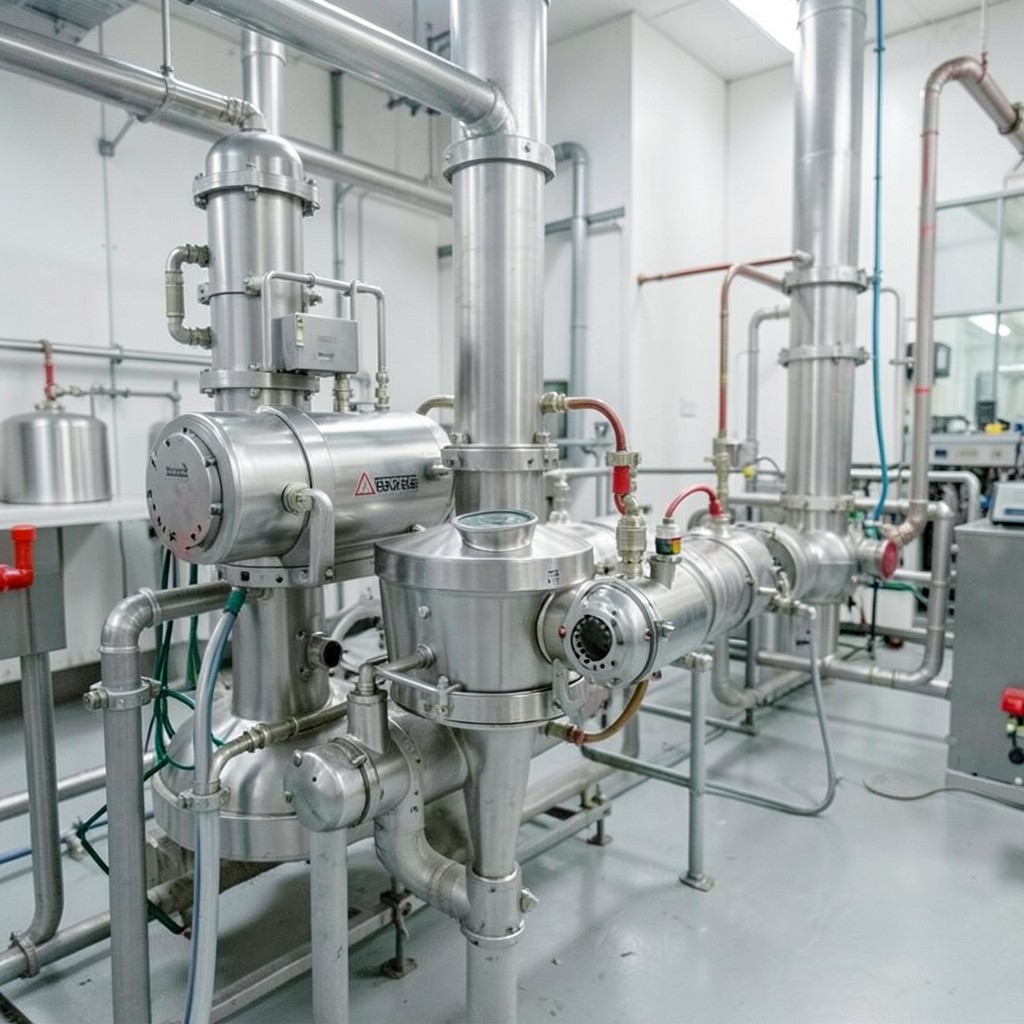

Application Scenarios
Chemical boiler rooms operate under high temperature, pressure, and corrosive atmospheres. A single undetected leak can compromise safety, trigger costly shutdowns, and violate environmental regulations. Our gas leak detection sensor for chemical boiler room is engineered to thrive in these hostile conditions, delivering continuous monitoring for combustible gases such as methane, propane, and hydrogen sulfide. Whether you run a petrochemical complex, a power‑generation plant, or an industrial steam system, this sensor provides the early‑warning capability required to protect personnel, equipment, and the environment.
Product Overview
The sensor combines a robust catalytic bead detector with an advanced micro‑controller that performs real‑time concentration analysis. Housed in a stainless‑steel enclosure (AISI 316L) with IP66 ingress protection, it resists steam, oil mist, and chemical splashes. The device supports both 4‑20 mA analog output and Modbus‑TCP digital communication, enabling seamless integration into existing DCS, SCADA, or PLC systems. A built‑in self‑diagnostic routine alerts maintenance personnel to sensor drift or failure before it impacts plant operations.
Technical Specifications (customizable per order)
| Parameter | Typical Value | Notes |
|---|---|---|
| Detectable Gases | CH₄, C₃H₈, H₂S, CO | Selectable via firmware |
| Concentration Range | 0‑100 % LEL | Linear response up to 100 % LEL |
| Response Time (90 % rise) | ≤ 3 s | Measured at 25 °C, 1 atm |
| Operating Temperature | -20 °C ~ +85 °C | Extended‑range version available |
| Power Supply | 24 V DC ± 20 % | Power‑over‑Ethernet optional |
| Output Options | 4‑20 mA, Modbus‑TCP, HART | Dual‑output models available |
| Certification | CE, ATEX Ex d IIC T4, IECEx | Meets Class II, Division 4 requirements |
How It Works
1. Sampling – A heated inlet draws ambient gas into the catalytic bead chamber, preventing condensation in high‑humidity boiler rooms.
2. Oxidation – The bead surface catalyzes oxidation of combustible gases, producing a temperature rise proportional to gas concentration.
3. Signal Conversion – A Wheatstone bridge converts the temperature change into a voltage signal, which the micro‑controller linearizes.
4. Processing & Output – The controller applies temperature compensation, filters noise, and drives the selected output (analog or digital).
5. Self‑Check – Every 30 minutes the sensor runs a zero‑baseline test; any deviation triggers an alarm on the host system.
Industry Certifications & Safety
The device conforms to the most stringent safety directives for hazardous environments. It holds CE marking, ATEX Ex d IIC T4 classification, and IECEx certification, ensuring safe operation in zones where flammable gases are present. The enclosure meets NEMA 4X standards for corrosion resistance, and all wiring is rated for high‑temperature insulation (up to 105 °C). Our production process follows ISO 9001 quality management, and each sensor is calibrated against NIST‑traceable standards before shipment.
Frequently Asked Questions
What is the minimum order quantity (MOQ) for the gas leak detection sensor for chemical boiler room?
We accommodate both pilot‑run projects and large‑scale deployments. The standard MOQ is 20 units, but we can lower it to 5 units for evaluation samples upon request.
Can the sensor be customized for a specific gas or concentration range?
Yes. Firmware can be tuned to prioritize a single target gas, and the detection range can be extended up to 200 % LEL for high‑risk applications. Mechanical dimensions remain unchanged.
What is the typical lead time?
Standard models ship within 15‑30 days after order confirmation. Custom configurations may require 30‑45 days, depending on the scope of modification.
What warranty and support are provided?
All sensors come with a 24‑month limited warranty covering manufacturing defects. Technical support is available 24 × 7 via email or telephone, and we offer on‑site calibration services for critical installations.
Closing Call to Action
Protect your chemical boiler room with a sensor that combines rugged construction, proven safety certifications, and intelligent diagnostics. Contact our sales engineering team today to request a quotation, discuss customization, or arrange a demonstration.
Send Inquiry →