

Condensing Economizer for Clean Hydrogen Boiler – High‑Efficiency Heat Recovery
How It Works
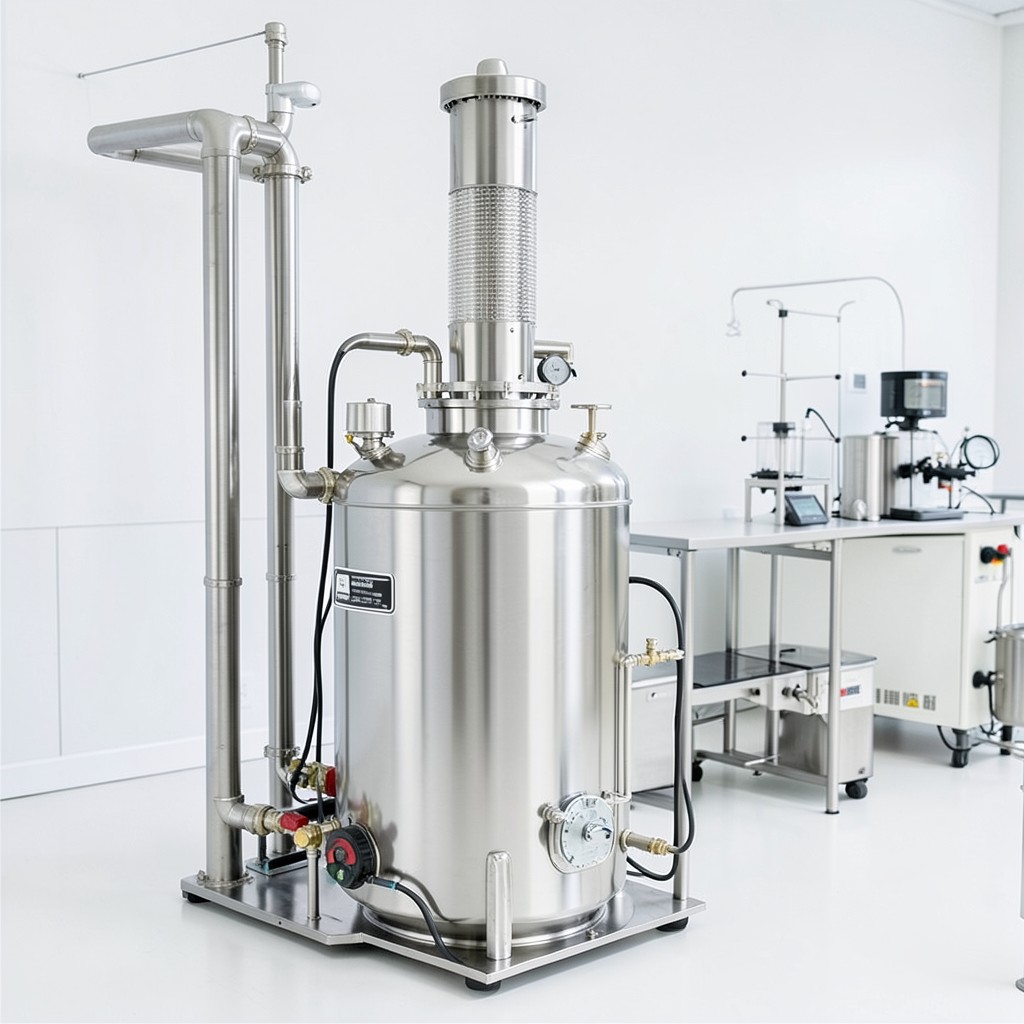
The condensing economizer for clean hydrogen boiler captures low‑temperature exhaust vapor from the boiler and condenses it within a stainless‑steel heat‑exchange matrix. By transferring the latent heat of vaporization back to the feedwater, the system raises inlet water temperature up to 30 °C, reducing the fuel‑burn requirement and boosting overall plant efficiency by 8‑12 %.
Designed for hydrogen‑fueled boilers, the unit operates under the same low‑NOx and zero‑carbon emissions standards demanded by modern green‑energy projects. A precisely engineered flow‑control valve regulates condensate return, while a corrosion‑resistant coating protects against the aggressive nature of hydrogen combustion by‑products.
Technical Specifications
| Parameter | Typical Range | Units |
|---|---|---|
| Design Pressure | 10 – 30 | bar |
| Maximum Inlet Temperature | 150 | °C |
| Heat Transfer Surface Area | 2 – 12 | m² |
| Condensate Recovery Rate | 0.8 – 1.2 | kg/kW·h |
| Material | 316L SS (or duplex for aggressive media) | – |
| Certifications | CE, ISO 9001, ISO 14001 | – |
*All values are typical and can be customized to match specific boiler duty cycles and site conditions.
commercial hydrogen condensing boiler supplier
Application Scenarios
The unit is a strategic fit for any facility that has transitioned to hydrogen as a primary fuel source, including:
- Industrial process plants seeking to meet carbon‑neutral targets.
- Power generation stations retrofitting existing gas turbines with hydrogen burners.
- Hydrogen‑fuelled district heating networks where low‑temperature condensate can be reused for pre‑heating.
- Marine propulsion systems using hydrogen‑combustion boilers, where space and weight savings are critical.
In each case, the economizer delivers measurable fuel savings, reduces boiler wear, and extends the service life of downstream heat‑exchange equipment.
Competitive Advantages
While many heat‑recovery devices focus on conventional natural‑gas boilers, our condensing economizer for clean hydrogen boiler is engineered from the ground up for hydrogen’s unique combustion profile:
- Hydrogen‑specific corrosion protection: Duplex stainless steel or 316L with high‑chloride resistance eliminates premature failure.
- Modular design: Units can be linked in series or parallel to meet capacities from 250 kW up to 5 MW without major redesign.
- Low‑maintenance operation: Self‑draining condensate channels and optional remote‑monitoring sensors reduce O&M costs by up to 30 %.
- Regulatory compliance: Built to satisfy EU Boiler Directive, ASME Section VIII, and emerging hydrogen‑fuel standards.
Installation Guide – Key Steps
Successful integration follows a four‑phase approach:
- Site Survey & Piping Layout: Verify boiler exhaust conditions, confirm available space, and map condensate return loops.
- Mechanical Fit‑Check: Align flanges (DN‑100 to DN‑250) and install vibration isolators to protect the heat‑exchange matrix.
- Electrical & Control Hook‑up: Connect the integrated pressure‑temperature sensor to the DCS or PLC; optional Modbus/TCP interface is available.
- Commissioning & Performance Validation: Run a 24‑hour test, record inlet/outlet temperatures, and verify the expected 8‑12 % efficiency gain.
Our engineering team provides on‑site support for the first installation and remote assistance thereafter.
FAQ
What is the minimum order quantity (MOQ)?
We accept single‑unit orders for pilot projects; standard production runs start at 5 units. Custom batch sizes can be arranged on request.
Can the economizer be tailored to a specific boiler pressure?
Yes. All pressure‑rated components are available in 10, 20, and 30 bar configurations, and we can engineer intermediate values upon request.
What is the typical lead time?
Standard models ship within 15‑30 days after order confirmation. For bespoke designs, lead time ranges from 30‑45 days depending on engineering complexity.
Is a warranty included?
All units come with a 24‑month manufacturing warranty covering material defects and workmanship, extendable to 36 months upon request.