

Hydrogen Co‑Firing Boiler Modification Service
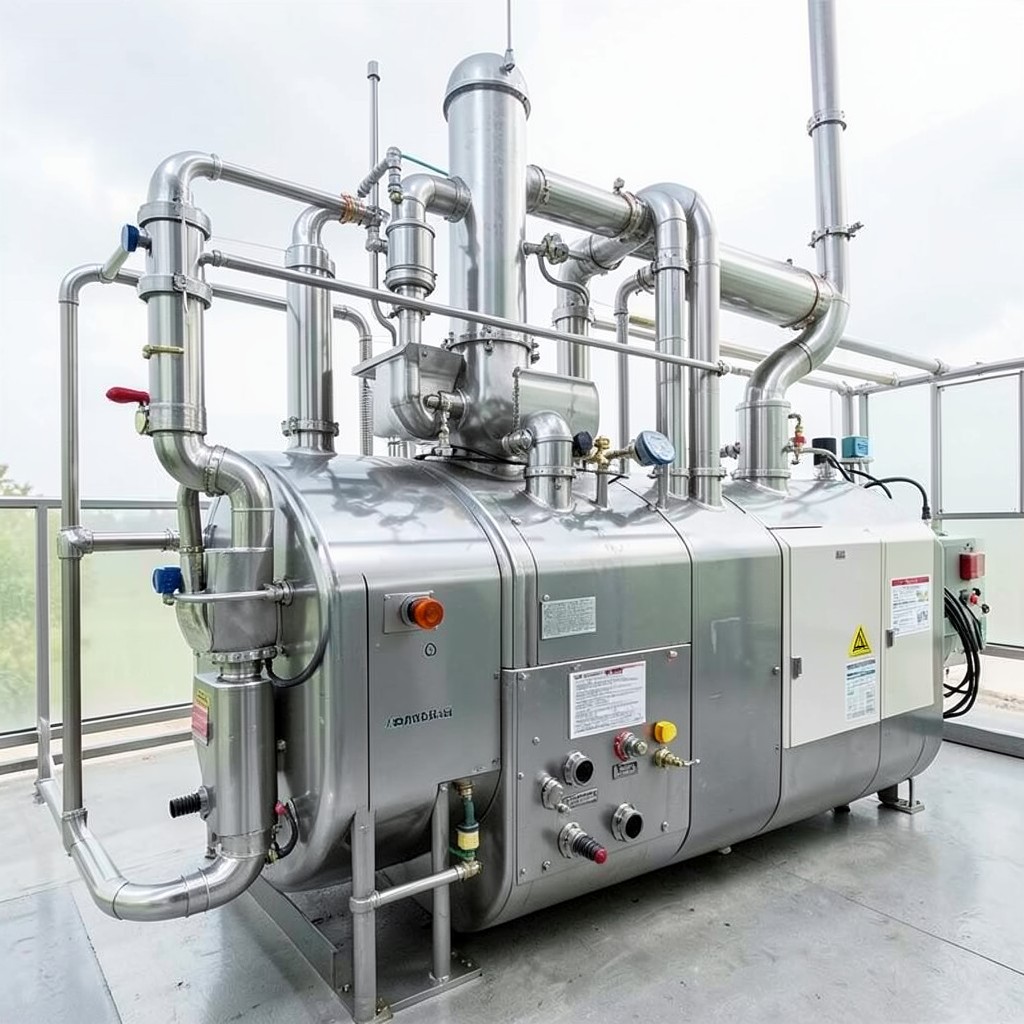
Our hydrogen co firing boiler modification service enables existing coal‑ or gas‑fired boilers to safely and efficiently incorporate hydrogen into the combustion mix. By retrofitting your plant with proven injection technology, you can lower carbon intensity, meet tightening emissions regulations, and protect your capital investment without the expense of a brand‑new boiler.
Application Scenarios
- Industrial complexes seeking a phased transition to low‑carbon fuels while maintaining continuous steam output.
- Utility generators needing to meet regional Renewable Portfolio Standards without sacrificing reliability.
- Chemical plants that require precise temperature control and can benefit from hydrogen’s high flame speed.
- District heating networks aiming to reduce net CO₂ emissions by blending up to 20 % hydrogen by energy.
Each project begins with a site‑specific feasibility study, ensuring that the selected retrofit aligns with your plant’s duty cycle, load profile, and existing emission control equipment.
How It Works
The service follows a four‑step engineering pathway:
- Baseline Audit: Sensors and data loggers capture real‑time combustion parameters and emissions baseline.
- Design Integration: Our engineers develop a hydrogen injection manifold, control logic, and safety interlocks that fit within the existing furnace geometry.
- Installation & Commissioning: Certified technicians retrofit the hardware, calibrate flame scanners, and run a staged ramp‑up to the target hydrogen share.
- Performance Validation: Post‑modification testing verifies NOx, CO₂, and efficiency targets, delivering a full compliance report.
The modular nature of the retrofit allows for incremental increases in hydrogen percentage, giving you the flexibility to respond to fuel availability and market pricing.
Typical Specifications (customizable per order)
| Parameter | Typical Range | Unit |
|---|---|---|
| Maximum Hydrogen Share | 10‑20 | % of total fuel energy |
| Boiler Capacity (Steam) | 5‑250 | t/h |
| Control Response Time | ≤ 2 | seconds |
| NOx Reduction (vs. baseline) | 15‑30 | % |
| Typical Lead Time | 15‑45 | days |
All parameters can be adjusted to meet specific plant constraints, such as flue gas temperature limits, turbine inlet requirements, or local permitting thresholds.
Competitive Advantages
- Zero‑Downtime Retrofit: Modular kits are installed during scheduled maintenance windows, avoiding production losses.
- Regulatory Alignment: Our solutions are engineered to comply with IEC 62264, ISO 50001, and regional hydrogen safety codes.
- Proven ROI: Clients typically achieve a 5‑12 % reduction in fuel‑related CO₂ emissions, translating into lower carbon taxes and improved ESG scores.
- Scalable Architecture: The same hardware can be re‑engineered for higher hydrogen shares as supply chains mature.
- Full‑Lifecycle Support: From concept through 24‑month warranty, we provide on‑site training, spare‑part logistics, and performance monitoring.
Frequently Asked Questions
What is the minimum order quantity (MOQ) for a retrofit project?
We work on a project‑by‑project basis; there is no strict MOQ. The scope is defined by the boiler’s capacity and the desired hydrogen share, allowing small‑scale plants to benefit equally.
Can the system be upgraded after installation?
Yes. The modular injection manifold and control software are designed for incremental upgrades, enabling you to increase the hydrogen percentage up to the limits of your combustion chamber and safety systems.
What warranty and after‑sales support are provided?
All modifications come with a standard 24‑month parts and labor warranty. Extended service contracts, remote diagnostics, and on‑site recalibration are available on a subscription basis.
How does the hydrogen co firing boiler modification service affect plant efficiency?
Hydrogen’s higher flame speed can improve combustion stability, often offsetting the slight efficiency dip caused by its lower calorific value. In most cases, overall plant efficiency remains within 1‑2 % of the pre‑modification baseline while delivering significant emissions benefits.