

Exhaust Gas Heat Recovery System Marine Boiler – Turning Waste Heat into Power
Where It Adds Value
Ship owners and shipyard engineers constantly look for ways to cut fuel consumption while meeting stringent emission limits. An exhaust gas heat recovery system marine boiler captures thermal energy from the main engine’s exhaust and converts it into high‑pressure steam for auxiliary propulsion, heating, or cargo processes. This technology is especially advantageous for:
- Container vessels operating on long trans‑ocean routes where fuel costs dominate operating expenses.
- Bulk carriers and tankers that require reliable onboard heating for cargo temperature control.
- Ferries and cruise ships where passenger comfort demands continuous hot‑water and HVAC supply.
- Offshore support vessels that run auxiliary generators and need steam for desalination.
By integrating the boiler directly into the exhaust line, the system reduces the need for separate fuel‑oil burners, delivering up to 30 % fuel savings and lowering CO₂ emissions in compliance with IMO Tier III regulations.
From Exhaust to Steam – How It Works
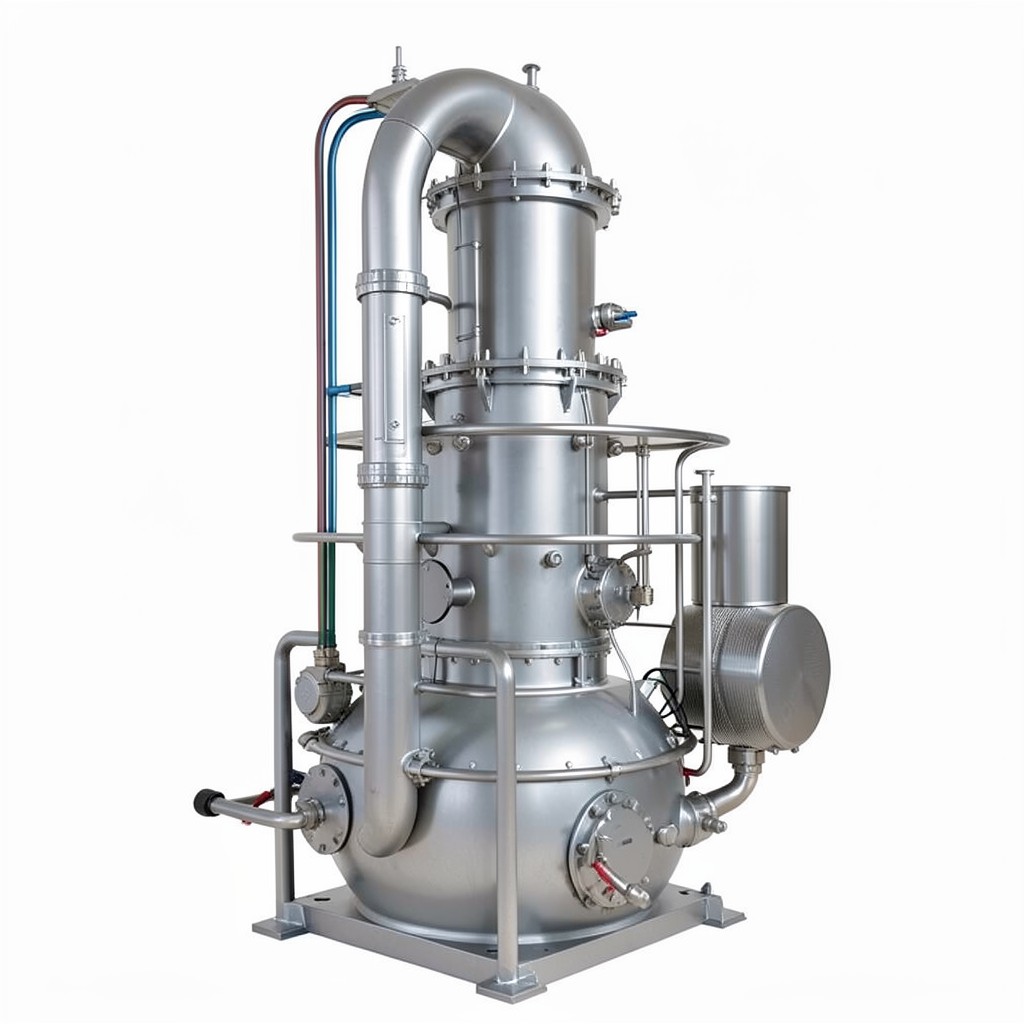
The core of the solution is a compact heat‑exchanger matrix housed in a marine‑rated pressure vessel. Exhaust gases flow through the matrix, transferring heat to water circulating on the opposite side. The water, pre‑heated to 150 °C, enters a high‑efficiency boiler where it is turned into saturated or super‑heated steam, depending on the vessel’s requirement.
Key process steps:
- Exhaust Capture: A stainless‑steel inlet connects to the main engine’s exhaust manifold.
- Heat Transfer: Counter‑flow tubes maximize temperature differential while minimizing pressure drop.
- Steam Generation: A secondary boiler section uses the recovered heat to produce steam at 10–25 bar.
- Control Integration: PLC‑based controls synchronize with the ship’s engine management system for optimal load sharing.
The modular design allows retro‑fit installation on existing vessels without major structural alterations, and the system can be scaled from 0.5 MW to 5 MW of thermal recovery.
Typical Specifications (customizable per order)
| Parameter | Range | Unit |
|---|---|---|
| Thermal Recovery Capacity | 0.5 – 5.0 | MW |
| Steam Pressure | 10 – 25 | bar |
| Fuel Type Compatibility | Heavy Fuel Oil, Marine Diesel, LNG (optional) | – |
| Overall Length (incl. inlet/outlet) | 2.0 – 6.5 | m |
| Weight (dry) | 1.2 – 4.8 | t |
| Design Life | 20+ | years |
All dimensions, pressure ratings, and control options can be adapted to meet the specific layout of your vessel and the performance envelope of your main engine.
Why Choose Our Solution?
- Fuel Cost Reduction: Real‑world trials show 12‑30 % decrease in auxiliary fuel consumption.
- Regulatory Compliance: Meets IMO MARPOL Annex VI, ABS, and DNV‑GL marine boiler standards.
- Robust Marine Construction: 316L stainless steel, vibration‑isolated mounts, and corrosion‑resistant coatings for 30 % higher life expectancy in saltwater environments.
- Easy Integration: Plug‑and‑play piping and wiring kits minimize shipyard downtime; typical installation under 10 days.
- Scalable & Modular: Units can be linked in series or parallel to match evolving power demands.
- Full OEM/ODM Support: We provide engineering, testing, and certification services for custom branding or specification changes.
Frequently Asked Questions
What is the minimum order quantity (MOQ) for a custom‑size exhaust gas heat recovery system marine boiler?
We accept orders starting from a single unit. For projects requiring multiple identical units, we offer volume pricing and synchronized delivery.
Can the system be adapted to LNG‑fuelled engines?
Yes. A cryogenic‑compatible heat‑exchanger variant is available, designed to handle the lower exhaust temperature profile of LNG engines while maintaining the same recovery efficiency.
What is the typical lead time from order confirmation to delivery?
Standard lead time is 15‑45 days, depending on the selected configuration and any special certifications required.
What warranty and after‑sales support do you provide?
All units come with a 24‑month comprehensive warranty covering manufacturing defects and material failures. We also offer optional extended service contracts and 24/7 technical assistance through our global support network.
Ready to transform waste heat into measurable savings?
Contact Our Engineering Team Today