

Marine Boiler Alarm Logging System SCADA – Integrated Monitoring for Shipboard Power
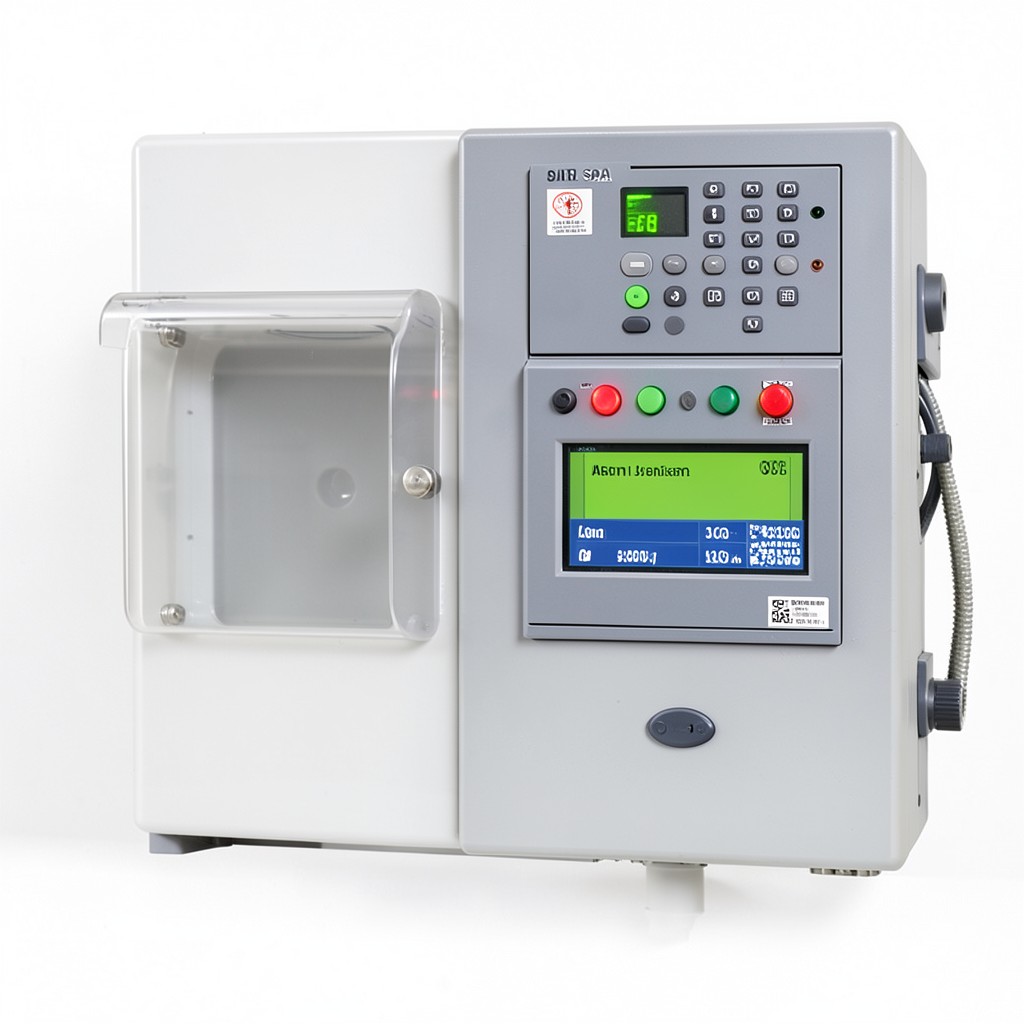
The marine boiler alarm logging system scada is a purpose‑built solution that consolidates real‑time alarm handling, event logging, and performance analytics for shipboard boiler plants. Designed for naval architects, procurement managers, and vessel operators, the system delivers a single, secure interface that meets IMO and classification society requirements while reducing manual log‑book entries and downtime.
By linking boiler sensors, safety valves, and combustion controls to a centralized SCADA server, the platform captures every alarm, timestamp, and operator response, storing the data in a tamper‑evident archive that satisfies audit and certification audits.
Technical Backbone – How It Works
1. Sensor Integration: Up to 64 discrete I/O points (digital & analog) connect via hardened marine‑grade RS‑485 or Ethernet/IP modules. Each point supports 0‑10 V, 4‑20 mA, and Modbus RTU protocols.
2. Alarm Correlation Engine: Built‑in logic groups related events (e.g., high‑temperature + low‑water) and escalates them according to user‑defined severity matrices.
3. Secure Data Logging: All alarms are written to an SQL‑based repository with SHA‑256 checksum verification. Data is retained for a minimum of 5 years, in line with statutory record‑keeping.
4. Operator Dashboard: A web‑responsive UI, accessible from the bridge or engineering office, displays live trends, historical charts, and exportable CSV reports.
Typical Specifications (customizable per order)
| Parameter | Standard Range | Notes |
|---|---|---|
| I/O Channels | 32‑128 (digital/analog mix) | Expandable via hot‑swap modules |
| Operating Temperature | ‑20 °C to +70 °C | Marine‑grade enclosure, IP66 |
| Power Supply | 12 V/24 V DC (±10 %) | Redundant DC‑DC converters |
| Data Retention | 5 years (minimum) | Optional cloud backup |
| Communications | Ethernet 10/100 Mbps, RS‑485, Wi‑Fi (optional) | TLS‑encrypted protocols |
| Compliance | IMO SOLAS, ABS, IEC 61508 SIL‑2 | Third‑party certification available |
Competitive Advantages
- Integrated Compliance: Built‑in alarm matrices satisfy SOLAS reporting rules without additional software.
- Scalable Architecture: Add extra I/O or remote nodes without downtime, preserving vessel uptime during upgrades.
- Robust Data Integrity: Dual‑record logging and cryptographic checksums protect against tampering, supporting legal investigations.
- Reduced Man‑Hours: Automated alarm acknowledgment and report generation cut engineering paperwork by up to 40 %.
- Vendor‑Neutral: Works with legacy boiler controllers from major OEMs, avoiding costly system replacements.
Application Scenarios
Deep‑sea cargo vessels: Continuous monitoring of high‑pressure steam lines ensures compliance with class society inspections while the crew can view alarm histories from the bridge.
Naval auxiliary ships: The system integrates with shipboard Integrated Platform Management Systems (IPMS) to provide a unified safety picture across propulsion and power‑generation suites.
Offshore support barges: Remote access via secure VPN enables shore‑based engineers to review boiler performance and diagnose faults before the vessel docks.
FAQ
What is the minimum order quantity (MOQ) for a custom configuration?
We accept orders from a single unit upwards. For projects requiring bespoke I/O layouts or additional software modules, the typical MOQ is 3 units to optimise tooling and validation costs.
Can the marine boiler alarm logging system scada be integrated with existing shipboard networks?
Yes. The platform supports Modbus TCP, Ethernet/IP, and standard NMEA 2000 gateways, allowing seamless connection to legacy control cabinets and modern IP‑based networks without hardware replacement.
What is the standard lead time after order confirmation?
Typical lead time ranges from 15 to 45 days, depending on configuration complexity and component availability. Expedited production can be arranged on request.
What warranty and support options are available?
All units ship with a 24‑month limited warranty covering parts and firmware. Optional extended service contracts include on‑site training, 24/7 remote diagnostics, and annual software upgrades.