

Nasal Spray Production Pure Steam Generator – Reliable, Scalable, Cost‑Transparent
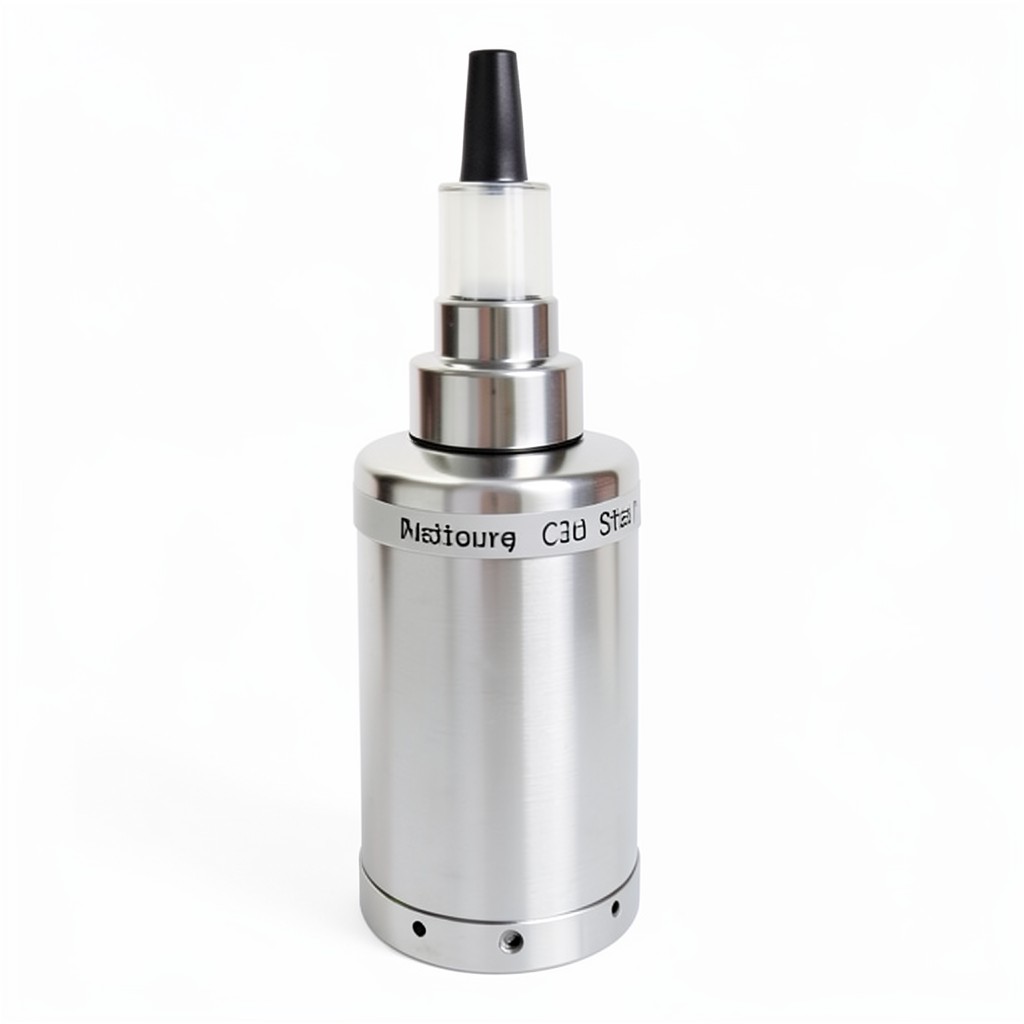
The nasal spray production pure steam generator is engineered for pharmaceutical manufacturers that need a hygienic, energy‑efficient source of sterilised steam for filling and sealing nasal spray containers. Our units combine precise temperature control with a compact footprint, allowing seamless integration into existing clean‑room lines. Because budgeting is critical, we publish a clear nasal spray production pure steam generator price structure that reflects equipment size, duty cycle and optional accessories, so procurement teams can compare apples‑to‑apples without hidden fees.
How It Works – Pure Steam on Demand
Our generator uses a closed‑loop, electrically heated water‑vaporization chamber. The process follows three regulated steps:
- Pre‑heat: A stainless‑steel heat exchanger raises water to 120 °C, eliminating residual microorganisms.
- Vaporization: High‑efficiency resistive elements convert the water into 100 % dry steam at a constant 121 °C ± 1 °C, the industry standard for aseptic processing.
- Delivery: A digitally controlled valve supplies steam in pulses that match the line’s filling rate, reducing energy waste and preventing over‑pressurisation.
The system is monitored by an IEC‑type PLC with built‑in alarms for temperature, pressure and flow, ensuring continuous compliance with GMP and ISO 14644‑1 clean‑room classifications.
Typical Specifications (customizable per order)
| Parameter | Standard Model | Optional Upgrade |
|---|---|---|
| Steam Output | 15 kg/h | 30 kg/h / 45 kg/h |
| Duty Cycle | 80 % (continuous) | 95 % (high‑capacity) |
| Power Supply | 380 V / 50 Hz | 208 V / 60 Hz (dual voltage) |
| Control Interface | PLC with LCD | SCADA integration (Modbus/TCP) |
| Dimensions (L × W × H) | 900 mm × 600 mm × 800 mm | 1200 mm × 800 mm × 1000 mm |
| Warranty | 12 months | 24 months (extended) |
All specifications can be tuned to match line speed, product volume and local utility conditions. The quoted nasal spray production pure steam generator price reflects the baseline configuration; optional upgrades are priced separately, providing full cost transparency.
Competitive Advantages
When comparing equipment from multiple suppliers, three factors dominate the decision:
- Energy Efficiency: Our generators achieve a 15 % lower specific steam consumption than conventional boiler‑based systems, reducing operating costs.
- Space Savings: The modular design fits into standard 2 × 2 m clean‑room bays, eliminating costly facility expansions.
- Regulatory Readiness: Certified to ISO 9001, ISO 13485 and compliant with EU GMP Annex 1, the unit simplifies validation and audit processes.
Because the pricing model is upfront and line‑itemized, finance departments can forecast total cost of ownership (TCO) with confidence.
FAQ – Purchasing & Support
What is the minimum order quantity (MOQ) for a custom‑size generator?
We accept single‑unit orders for prototype or pilot‑line projects. For full‑scale production runs, a standard MOQ of 3 units applies to benefit from volume pricing.
Can the steam output be adapted to match my line’s throughput?
Yes. Output can be configured in 5 kg/h increments between 10 kg/h and 45 kg/h. The adjustment is performed during factory calibration and documented in the user manual.
What lead time should I expect after placing an order?
Standard lead time is 30–45 days for the base model, including factory testing and export documentation. Options such as SCADA integration or dual‑voltage power increase the lead time by up to 15 days.
Is there a service contract available after the warranty expires?
We offer annual maintenance contracts that cover preventive inspections, spare‑part replenishment and remote diagnostics. Contracts can be customized to align with your plant’s uptime targets.