English
- Afrikaans
- Albanian
- Amharic
- Arabic
- Armenian
- Azerbaijani
- Basque
- Belarusian
- Bengali
- Bosnian
- Bulgarian
- Catalan
- Cebuano
- Corsican
- Croatian
- Czech
- Danish
- Dutch
- English
- Esperanto
- Estonian
- Finnish
- French
- Frisian
- Galician
- Georgian
- German
- Greek
- Gujarati
- Haitian Creole
- hausa
- hawaiian
- Hebrew
- Hindi
- Miao
- Hungarian
- Icelandic
- igbo
- Indonesian
- irish
- Italian
- Japanese
- Javanese
- Kannada
- kazakh
- Khmer
- Rwandese
- Korean
- Kurdish
- Kyrgyz
- Lao
- Latin
- Latvian
- Lithuanian
- Luxembourgish
- Macedonian
- Malgashi
- Malay
- Malayalam
- Maltese
- Maori
- Marathi
- Mongolian
- Myanmar
- Nepali
- Norwegian
- Norwegian
- Occitan
- Pashto
- Persian
- Polish
- Portuguese
- Punjabi
- Romanian
- Russian
- Samoan
- Scottish Gaelic
- Serbian
- Sesotho
- Shona
- Sindhi
- Sinhala
- Slovak
- Slovenian
- Somali
- Spanish
- Sundanese
- Swahili
- Swedish
- Tagalog
- Tajik
- Tamil
- Tatar
- Telugu
- Thai
- Turkish
- Turkmen
- Ukrainian
- Urdu
- Uighur
- Uzbek
- Vietnamese
- Welsh
- Bantu
- Yiddish
- Yoruba
- Zulu

Telephone: +86 13120555503
Email: frank@cypump.com


Apr . 01, 2024 17:55 Back to list
basement toilet ejector pump Performance Analysis
Introduction
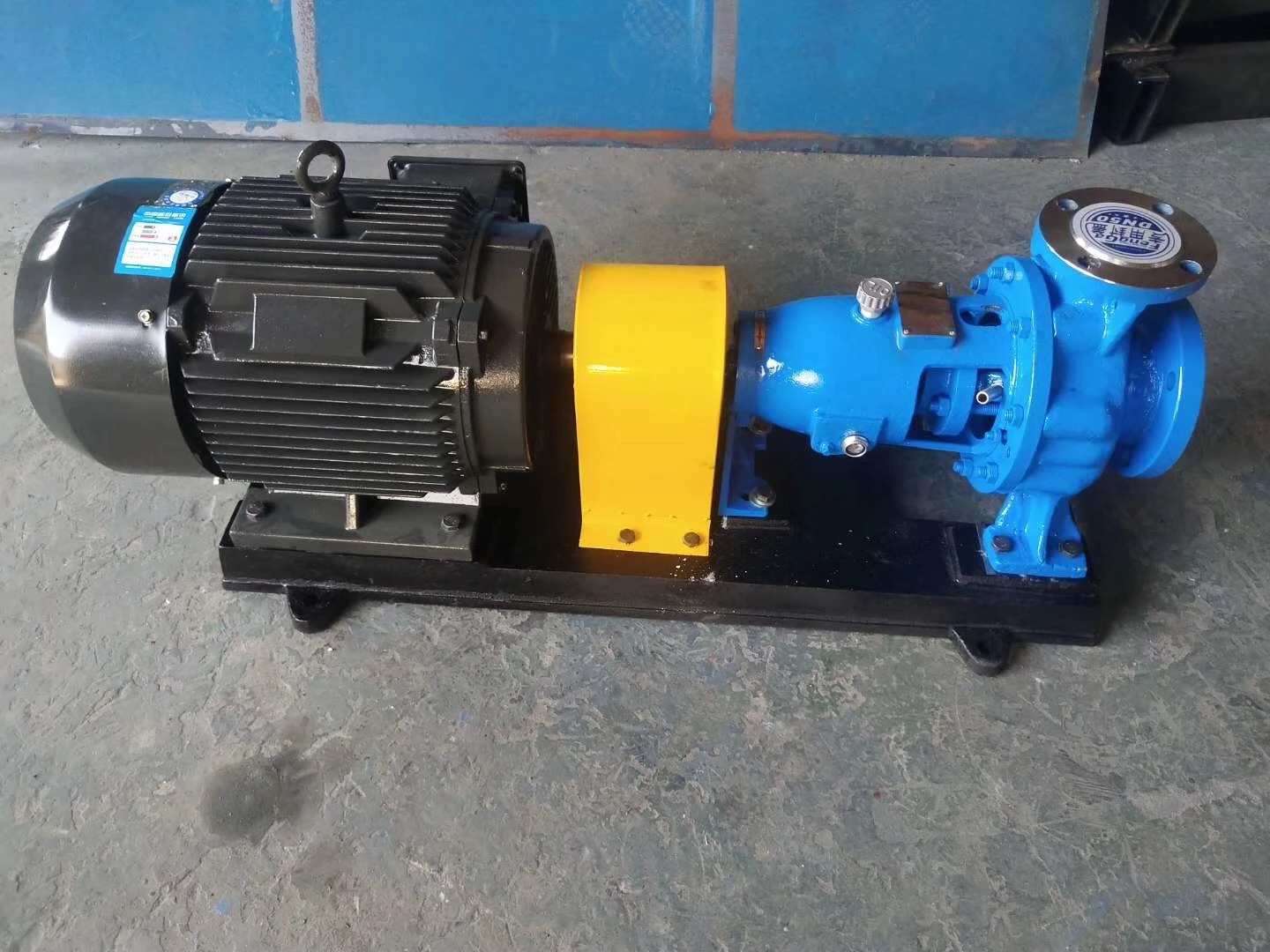
Basement toilet ejector pumps are critical components in residential and commercial plumbing systems where wastewater discharge relies on lifting sewage against gravity. These pumps, typically installed in pits below bathroom fixtures, serve as an intermediary between the toilet and the main sewer line. Their technical position in the plumbing chain is as a forced-discharge mechanism, overcoming the limitations of conventional gravity-fed drainage. Core performance parameters include flow rate (gallons per minute or GPM), head (vertical lift capability in feet), motor horsepower (HP), and solids handling capacity (diameter of solids the pump can process without clogging). A significant industry pain point revolves around pump failures due to solids buildup, corrosion in aggressive wastewater environments, and inadequate motor protection against overheating. Selection requires careful consideration of fixture unit load, discharge pipe diameter, and overall system design to ensure reliable operation and prevent backups.
Material Science & Manufacturing
The construction of a basement toilet ejector pump involves a diverse range of materials, each chosen for specific performance attributes. Pump housings are commonly constructed from cast iron (ASTM A48 Class 30) due to its robustness, cost-effectiveness, and resistance to corrosion – although susceptibility to rust remains a concern in consistently wet environments. Impellers, responsible for generating flow, are often manufactured from engineered plastics like polypropylene (PP) or glass-filled nylon, balancing durability with resistance to abrasive solids. Shafts are typically made of stainless steel (304 or 316) to withstand torsional stress and provide corrosion resistance. Seals are critical and frequently utilize materials like Viton (fluoroelastomer) or nitrile rubber (NBR) selected for compatibility with wastewater and resistance to degradation. Manufacturing processes include: 1) Casting: For housing components, utilizing sand casting or investment casting to achieve complex geometries. 2) Injection Molding: For plastic impeller and component fabrication, demanding precise temperature and pressure control to ensure dimensional accuracy and material integrity. 3) Machining: For shaft and impeller finishing, requiring tight tolerances to ensure smooth operation and minimize vibration. 4) Welding: Primarily for tank construction if not a single-piece casting, employing shielded metal arc welding (SMAW) or gas metal arc welding (GMAW). Quality control focuses on material certification, dimensional inspection, and hydrostatic testing to verify leak-proof performance.
Performance & Engineering
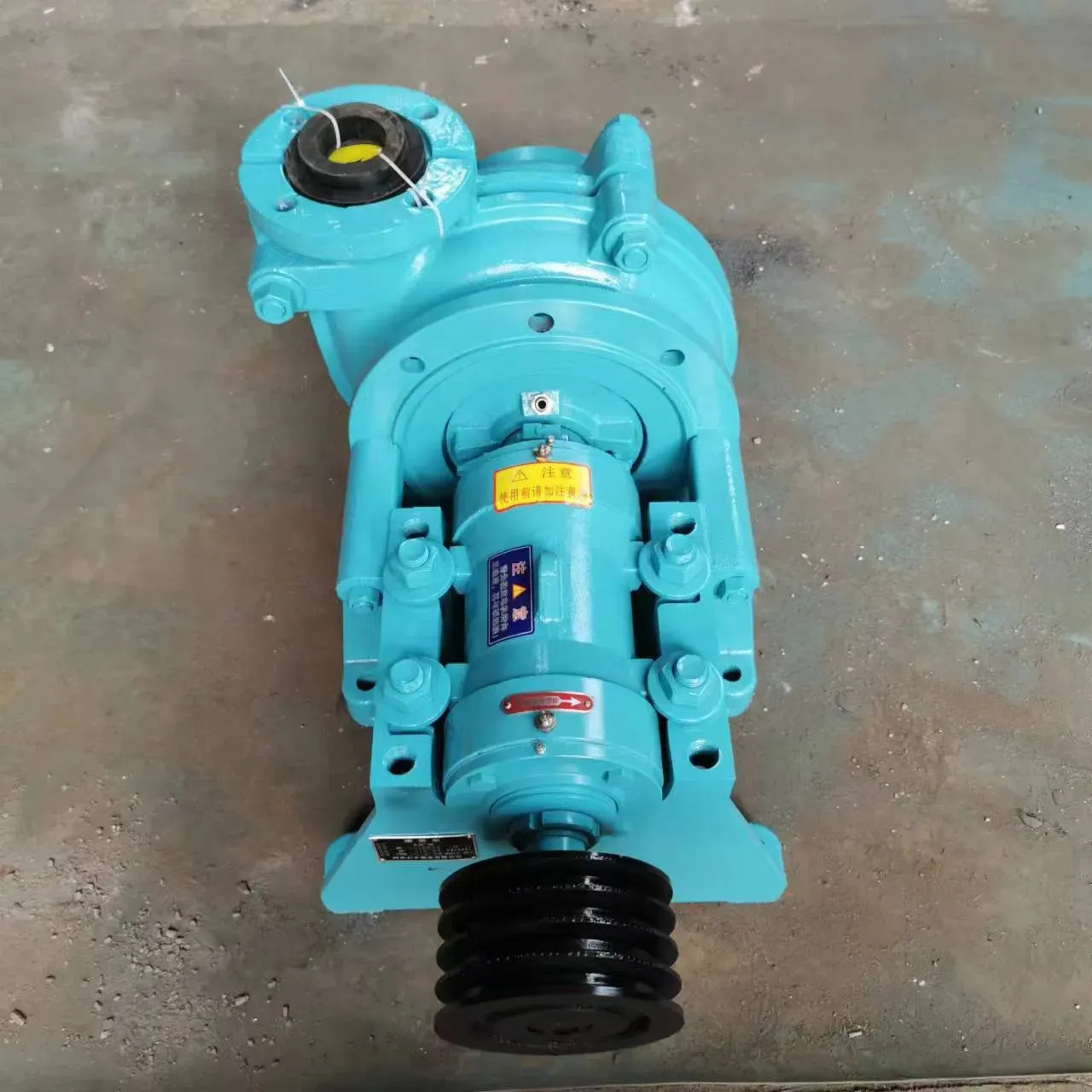
Ejector pump performance is heavily influenced by hydraulic design and motor characteristics. Force analysis centers on the impeller’s interaction with the fluid, quantifying centrifugal force and pressure head. Cavitation, a major concern, arises when the absolute pressure at the impeller inlet drops below the vapor pressure of the liquid, forming bubbles that collapse and erode the impeller material. Engineering solutions to mitigate cavitation include optimizing impeller geometry, increasing suction line diameter, and ensuring adequate net positive suction head available (NPSHa). Environmental resistance is critical; the pump must withstand continuous exposure to corrosive wastewater containing organic matter, detergents, and potentially abrasive particles. Material selection (stainless steel, engineered plastics) plays a crucial role, as does the application of protective coatings. Compliance requirements vary by region but typically include UL/CSA certification for electrical safety (UL 778) and NSF/ANSI 61 certification for materials in contact with potable water (though indirectly, related to backflow prevention). Furthermore, noise levels are a significant consideration, with designs incorporating vibration dampening and optimized impeller profiles to minimize acoustic emissions. Discharge pipe material and slope are key engineering considerations to prevent backflow and ensure efficient gravity drainage after the pump cycle.
Technical Specifications
| Model Number | Horsepower (HP) | Max Head (ft) | Max Flow Rate (GPM) |
|---|---|---|---|
| EJP-1/3 | 1/3 | 25 | 45 |
| EJP-1/2 | 1/2 | 35 | 60 |
| EJP-3/4 | 3/4 | 45 | 75 |
| EJP-1 | 1 | 55 | 90 |
| EJP-1.5 | 1.5 | 65 | 110 |
| EJP-2 | 2 | 75 | 130 |
Failure Mode & Maintenance
Basement toilet ejector pumps are susceptible to several failure modes. Fatigue cracking of the impeller can occur due to repeated stress from solids impact. Delamination of plastic impellers, especially if poorly molded, is another common issue. Corrosion, particularly in cast iron housings, leads to gradual material loss and eventual leakage. Seal failure results in wastewater leakage and motor contamination. Motor overheating is frequently caused by inadequate ventilation, excessive cycling, or bearing failure. Clogging from non-flushable items (wipes, feminine hygiene products) is a pervasive problem. Preventative maintenance is crucial. This includes regular inspection of the pit for debris accumulation, quarterly flushing with a diluted bleach solution to prevent bacterial growth, annual inspection of seals and impeller for wear, and periodic testing of the float switch to ensure proper operation. For motor overheating, ensure adequate ventilation and consider using a thermal overload protector. If clogging occurs, manually remove the obstruction (after disconnecting power) and address the source of the clog (e.g., educate household members on appropriate disposal practices). Bearing lubrication (if applicable) should be performed according to the manufacturer’s recommendations. Complete pump replacement is often necessary after extensive corrosion or irreparable impeller damage.
Industry FAQ
Q: What is the impact of solids size on pump selection?
A: Solids size is a critical factor. Pumps are rated for maximum solids handling capacity (typically expressed in diameter). Selecting a pump with an insufficient solids handling capacity will lead to frequent clogging and premature failure. Understanding the potential sources of solids – such as paper products or accidental introduction of non-flushable items – is essential for appropriate sizing.
Q: How does discharge pipe length and elevation affect performance?
A: Longer discharge pipe lengths and greater vertical elevation (head) increase frictional losses, reducing the pump’s overall flow rate. Pump selection must account for these factors, ensuring sufficient horsepower and head capacity to overcome the system’s resistance. Proper pipe sizing (diameter) is also vital to minimize frictional losses.
Q: What are the common causes of float switch failure?
A: Float switch failures are often due to mechanical binding from debris buildup, corrosion of the switch contacts, or damage to the float itself. Regular inspection and cleaning of the float and switch mechanism are essential. Using a float switch with a robust, sealed design can improve reliability.
Q: What is the role of a check valve in an ejector pump system?
A: A check valve prevents backflow of wastewater into the pit after the pump shuts off. This is crucial to prevent the pump from having to re-pump the same wastewater, reducing energy consumption and extending pump life. Failure of the check valve can lead to frequent pump cycling and potential motor overheating.
Q: What type of motor protection is recommended for ejector pumps?
A: Thermal overload protection is highly recommended. This protection automatically shuts off the pump if the motor overheats, preventing damage. Additionally, monitoring the pump’s amp draw can provide an early warning of potential motor issues. Selecting a pump with a sealed motor enclosure provides additional protection against moisture and corrosive environments.
Conclusion
Basement toilet ejector pumps are engineered solutions for overcoming gravity’s limitations in wastewater discharge. Their reliable operation depends on a complex interplay of material science, hydraulic design, and careful consideration of system parameters. Selecting a pump appropriate for the specific application – factoring in flow rate, head, solids handling capacity, and environmental conditions – is paramount.
Proactive maintenance, including regular inspections, debris removal, and seal replacement, is essential for maximizing pump lifespan and preventing costly failures. Understanding common failure modes and implementing preventative measures will significantly reduce the risk of sewage backups and ensure consistent, reliable wastewater removal.
-
Comprehensive Guide to Waterproof ORings for Optimal Sealing Solutions
News2026-06-09
-
best ejector pump for basement bathroom Material Science Manufacturing
News2026-06-28
-
bathroom ejector pump system Material Science Manufacturing
News2026-06-28
-
bathroom ejector pump Performance and Engineering
News2026-06-28
-
basement toilet ejector pump Performance Analysis
News2026-06-28
-
Septic Tank Pump Technology Analysis
News2026-06-28
-
Waste Tank Pump Performance Analysis
News2026-06-27
-
Sewer System Pump Out Material Science
News2026-06-27
-
Sewer Ejector Pit Performance Analysis
News2026-06-27
-
septic tank pumps for sale Performance Engineering
News2026-06-27
-
septic system with lift pump Performance Engineering
News2026-06-27
-
septic system sump pump Performance Analysis
News2026-06-26
-
septic pump company Performance Analysis
News2026-06-26
-
pumps water treatment Performance Analysis
News2026-06-26
-
pumps for septic tanks Material Science and Manufacturing
News2026-06-26




