English
- Afrikaans
- Albanian
- Amharic
- Arabic
- Armenian
- Azerbaijani
- Basque
- Belarusian
- Bengali
- Bosnian
- Bulgarian
- Catalan
- Cebuano
- Corsican
- Croatian
- Czech
- Danish
- Dutch
- English
- Esperanto
- Estonian
- Finnish
- French
- Frisian
- Galician
- Georgian
- German
- Greek
- Gujarati
- Haitian Creole
- hausa
- hawaiian
- Hebrew
- Hindi
- Miao
- Hungarian
- Icelandic
- igbo
- Indonesian
- irish
- Italian
- Japanese
- Javanese
- Kannada
- kazakh
- Khmer
- Rwandese
- Korean
- Kurdish
- Kyrgyz
- Lao
- Latin
- Latvian
- Lithuanian
- Luxembourgish
- Macedonian
- Malgashi
- Malay
- Malayalam
- Maltese
- Maori
- Marathi
- Mongolian
- Myanmar
- Nepali
- Norwegian
- Norwegian
- Occitan
- Pashto
- Persian
- Polish
- Portuguese
- Punjabi
- Romanian
- Russian
- Samoan
- Scottish Gaelic
- Serbian
- Sesotho
- Shona
- Sindhi
- Sinhala
- Slovak
- Slovenian
- Somali
- Spanish
- Sundanese
- Swahili
- Swedish
- Tagalog
- Tajik
- Tamil
- Tatar
- Telugu
- Thai
- Turkish
- Turkmen
- Ukrainian
- Urdu
- Uighur
- Uzbek
- Vietnamese
- Welsh
- Bantu
- Yiddish
- Yoruba
- Zulu

Telephone: +86 13120555503
Email: frank@cypump.com


Apr . 01, 2024 17:55 Back to list
bathroom ejector pump Performance and Engineering
Introduction
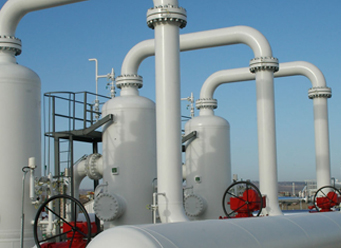
Bathroom ejector pumps, also known as sewage ejectors or lift stations, are engineered solutions for wastewater relocation in plumbing systems where gravity drainage is insufficient. These pumps are typically installed in basements or lower-level bathrooms where fixtures are positioned below the municipal sewer line. Their technical position within the building infrastructure chain is critical; they act as an intermediary between plumbing fixtures (toilets, showers, laundry) and the main sewer line or septic system. Core performance centers around reliable, efficient removal of blackwater (sewage) and greywater (from showers, sinks, and laundry) to prevent backups and maintain sanitary conditions. The increasing prevalence of basement bathroom additions and the challenges of older building infrastructure make effective ejector pump selection and maintenance paramount. Beyond simply moving wastewater, modern ejector pumps incorporate features like automatic operation via float switches, overload protection, and corrosion-resistant materials to maximize lifespan and minimize maintenance requirements. A key industry pain point is premature pump failure due to solids handling limitations and inadequate material selection in aggressive wastewater environments.
Material Science & Manufacturing
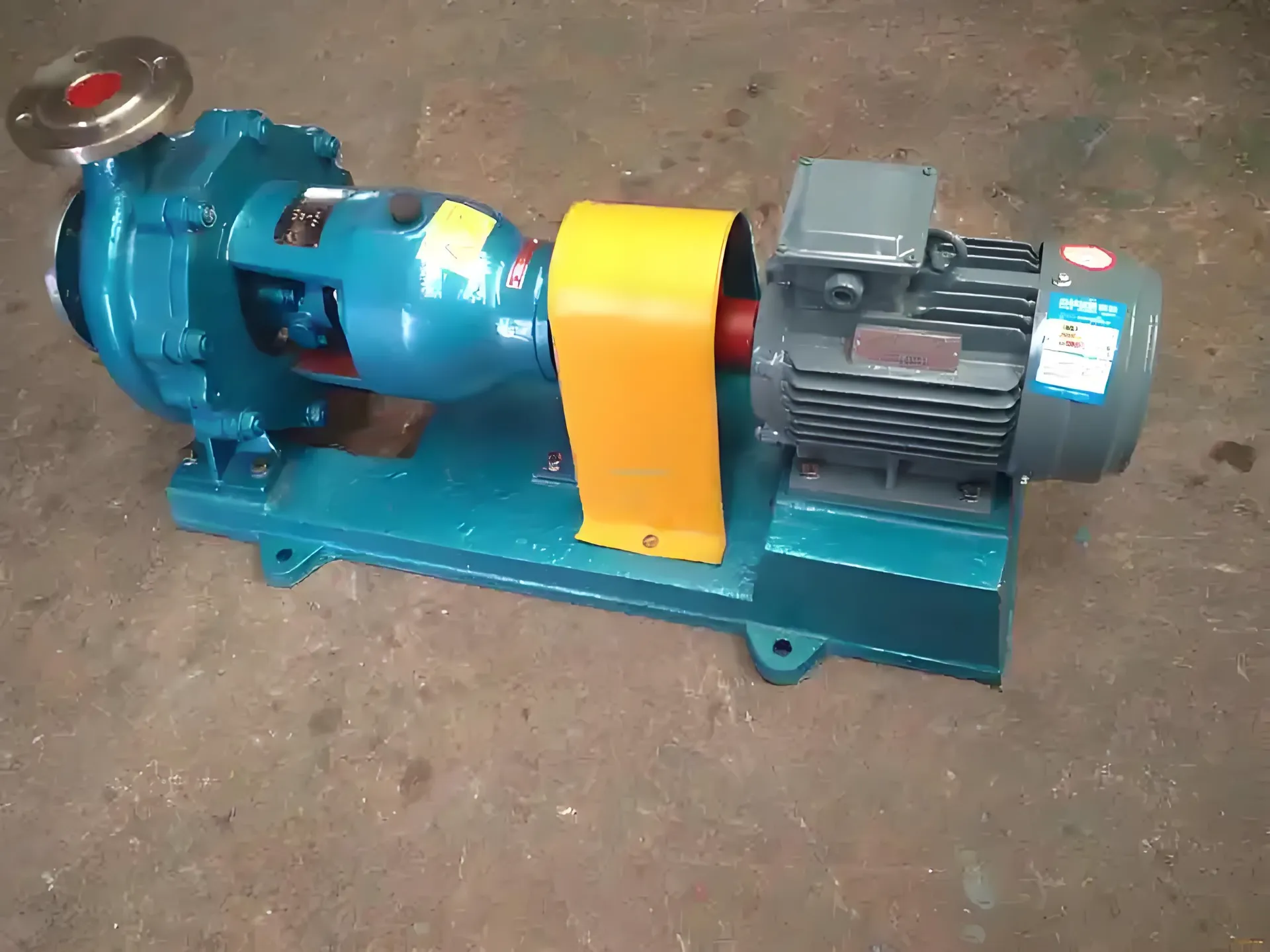
The core components of a bathroom ejector pump are constructed from a variety of materials, each selected for specific properties. Pump housings are commonly manufactured from polypropylene, cast iron (with epoxy or other protective coatings), or stainless steel (typically 304 or 316 grade). Polypropylene offers excellent chemical resistance to the wide range of substances found in wastewater, but its mechanical strength is lower than metals. Cast iron provides high strength and durability, but requires corrosion protection. Stainless steel offers the best combination of strength, corrosion resistance, and longevity, though at a higher cost. Impeller materials mirror these choices, with polypropylene, bronze, and stainless steel being frequently employed. The pump motor housing is typically aluminum, providing heat dissipation and structural support. Seals are vital components, often composed of nitrile rubber, Viton, or silicone, chosen for their compatibility with wastewater and ability to maintain a watertight barrier. Manufacturing processes include injection molding for plastic components, casting for iron housings, and machining for metal parts. Welding is used extensively in constructing the pump’s internal structure. Critical parameter control during manufacturing focuses on impeller balancing to minimize vibration and wear, seal integrity testing to prevent leakage, and motor winding insulation to prevent electrical shorts. The quality of the epoxy coating on cast iron components is crucial; inadequate coating thickness or pinholes will accelerate corrosion. The pump base and mounting hardware are frequently constructed from galvanized steel or stainless steel to resist corrosion in damp environments.
Performance & Engineering
Bathroom ejector pump performance is dictated by several key engineering factors. Head pressure, measured in feet or meters, represents the maximum height the pump can lift wastewater. Flow rate, typically expressed in gallons per minute (GPM) or liters per minute (LPM), indicates the volume of wastewater the pump can move. Power requirements, measured in horsepower (HP) or kilowatts (kW), determine the pump's energy consumption. Force analysis is critical in designing the impeller and volute to efficiently convert rotational energy into hydraulic pressure. Environmental resistance is paramount; pumps must withstand constant exposure to moisture, corrosive chemicals, and potential temperature fluctuations. Compliance requirements are driven by local and national plumbing codes, as well as electrical safety standards. The selection of appropriate motor protection (thermal overload, short-circuit protection) is crucial for reliable operation. Float switch mechanisms, typically utilizing a mechanical or electronic sensing element, control the pump's on/off cycles based on water level. The pump’s check valve prevents backflow of wastewater when the pump is off, maintaining prime and preventing gravity-driven drainage. Pump curve analysis, a graphical representation of head versus flow rate, is essential for matching the pump’s performance characteristics to the specific application requirements. Hydraulic Institute standards are frequently used for pump testing and performance evaluation. Proper ventilation is necessary to dissipate heat generated by the motor, particularly in enclosed installations.
Technical Specifications
| Parameter | Typical Range - Residential Duty | Typical Range - Heavy Duty/Commercial | Units |
|---|---|---|---|
| Horsepower (HP) | 1/3 - 1/2 | 1 - 2 | HP |
| Voltage | 115/230 | 230/460 | Volts |
| Maximum Head | 10 - 25 | 30 - 60 | Feet |
| Maximum Flow Rate | 40 - 70 | 100 - 200 | GPM |
| Solids Handling Capacity | Up to 1 inch | Up to 2 inches | Inches |
| Discharge Pipe Size | 1.25 - 2 | 2 - 3 | Inches |
Failure Mode & Maintenance
Bathroom ejector pumps are susceptible to several failure modes. Fatigue cracking of the impeller can occur due to repeated stress from solids impact. Delamination of the epoxy coating on cast iron housings exposes the metal to corrosion. Degradation of seals leads to leakage and loss of prime. Motor failure, often caused by overheating or electrical shorts, is a common issue. Clogging, resulting from the accumulation of solids (hair, grease, wipes) within the pump chamber and discharge pipe, is a frequent cause of pump shutdown. Oxidation and corrosion of electrical connections can lead to intermittent operation or complete failure. Failure analysis typically involves visual inspection for physical damage, electrical testing to assess motor condition, and seal examination for wear and tear. Preventative maintenance includes regular inspection of float switch operation, cleaning of the pump chamber to remove accumulated solids, and periodic testing of the check valve. Lubrication of motor bearings (if applicable) is also essential. For pumps handling particularly abrasive wastewater, impeller replacement may be required annually or biannually. Regular monitoring of pump run cycles can help identify potential problems before catastrophic failure occurs. Ensure proper venting of the basin to prevent pressure buildup, which can damage the pump and seals. Avoid pumping materials not designed for (e.g. excessive grease, concrete slurry).
Industry FAQ
Q: What is the ideal pump material for a basement bathroom consistently exposed to harsh cleaning chemicals?
A: For applications with frequent exposure to harsh cleaning chemicals, a stainless steel (316 grade) pump housing and polypropylene impeller are recommended. Stainless steel offers broad chemical resistance, and polypropylene is particularly well-suited to resisting acids and bases commonly found in cleaning products. Avoid cast iron unless it has a very robust epoxy coating, as it's vulnerable to chemical attack.
Q: What is the significance of the pump's 'head' specification and how does it relate to my installation?
A: The pump's head specification indicates the maximum vertical distance the pump can effectively lift wastewater. It's crucial that the head rating exceeds the total dynamic head of your system, which includes the vertical distance from the pump to the sewer line plus friction losses within the discharge piping. Underestimating the head requirement will result in reduced flow and potential pump failure.
Q: What maintenance schedule is recommended to maximize the lifespan of my ejector pump?
A: A recommended maintenance schedule includes quarterly inspection of the float switch operation, annual cleaning of the pump chamber and removal of debris, and bi-annual inspection of the check valve for proper sealing. Electrical connections should also be inspected annually for corrosion. Documenting pump run times and any observed issues can aid in proactive maintenance.
Q: How do I troubleshoot a pump that is humming but not pumping?
A: A humming pump that isn’t pumping typically indicates an impeller obstruction. Disconnect power and carefully inspect the pump chamber for debris. Also, check the discharge pipe for blockages. A stuck check valve can also cause this symptom – manually verify its free movement. If the impeller is clear and the check valve operates correctly, the motor may be failing.
Q: What are the risks associated with using a pump undersized for the application?
A: Using an undersized pump can lead to several problems, including frequent cycling (on/off), reduced flow rates, increased energy consumption, and premature pump failure. Frequent cycling accelerates wear and tear on the motor and switch mechanisms. An undersized pump may also be unable to keep up with peak flow demands, resulting in sewage backups.
Conclusion
Bathroom ejector pumps are essential components in plumbing systems where gravity drainage is insufficient. Proper material selection, based on wastewater composition and environmental factors, is paramount for longevity and reliability. Understanding the key performance parameters – head, flow rate, and power – is critical for matching the pump to the specific application requirements. Proactive maintenance, including regular inspection and cleaning, significantly extends pump lifespan and prevents costly failures.
The trend toward more sustainable building practices is driving demand for energy-efficient ejector pumps with advanced control systems. Future innovations are likely to focus on improved solids handling capabilities, enhanced corrosion resistance, and remote monitoring capabilities for predictive maintenance. Careful consideration of these factors, coupled with adherence to relevant industry standards, ensures the effective and reliable operation of bathroom ejector pumps.
-
Comprehensive Guide to Waterproof ORings for Optimal Sealing Solutions
News2026-06-09
-
best ejector pump for basement bathroom Material Science Manufacturing
News2026-06-28
-
bathroom ejector pump system Material Science Manufacturing
News2026-06-28
-
bathroom ejector pump Performance and Engineering
News2026-06-28
-
basement toilet ejector pump Performance Analysis
News2026-06-28
-
Septic Tank Pump Technology Analysis
News2026-06-28
-
Waste Tank Pump Performance Analysis
News2026-06-27
-
Sewer System Pump Out Material Science
News2026-06-27
-
Sewer Ejector Pit Performance Analysis
News2026-06-27
-
septic tank pumps for sale Performance Engineering
News2026-06-27
-
septic system with lift pump Performance Engineering
News2026-06-27
-
septic system sump pump Performance Analysis
News2026-06-26
-
septic pump company Performance Analysis
News2026-06-26
-
pumps water treatment Performance Analysis
News2026-06-26
-
pumps for septic tanks Material Science and Manufacturing
News2026-06-26




