English
- Afrikaans
- Albanian
- Amharic
- Arabic
- Armenian
- Azerbaijani
- Basque
- Belarusian
- Bengali
- Bosnian
- Bulgarian
- Catalan
- Cebuano
- Corsican
- Croatian
- Czech
- Danish
- Dutch
- English
- Esperanto
- Estonian
- Finnish
- French
- Frisian
- Galician
- Georgian
- German
- Greek
- Gujarati
- Haitian Creole
- hausa
- hawaiian
- Hebrew
- Hindi
- Miao
- Hungarian
- Icelandic
- igbo
- Indonesian
- irish
- Italian
- Japanese
- Javanese
- Kannada
- kazakh
- Khmer
- Rwandese
- Korean
- Kurdish
- Kyrgyz
- Lao
- Latin
- Latvian
- Lithuanian
- Luxembourgish
- Macedonian
- Malgashi
- Malay
- Malayalam
- Maltese
- Maori
- Marathi
- Mongolian
- Myanmar
- Nepali
- Norwegian
- Norwegian
- Occitan
- Pashto
- Persian
- Polish
- Portuguese
- Punjabi
- Romanian
- Russian
- Samoan
- Scottish Gaelic
- Serbian
- Sesotho
- Shona
- Sindhi
- Sinhala
- Slovak
- Slovenian
- Somali
- Spanish
- Sundanese
- Swahili
- Swedish
- Tagalog
- Tajik
- Tamil
- Tatar
- Telugu
- Thai
- Turkish
- Turkmen
- Ukrainian
- Urdu
- Uighur
- Uzbek
- Vietnamese
- Welsh
- Bantu
- Yiddish
- Yoruba
- Zulu

Telephone: +86 13120555503
Email: frank@cypump.com


Apr . 01, 2024 17:55 Back to list
bathroom ejector pump system Material Science Manufacturing

Introduction
Bathroom ejector pump systems are critical components in residential and commercial plumbing infrastructure, specifically designed to relocate wastewater from fixtures located below the sewer line. These systems overcome gravity limitations, enabling the installation of bathrooms, laundry areas, and other plumbing facilities in basements or other low-lying areas. Unlike standard sewage pumps, ejector pumps handle both solids and liquids, utilizing a sealed tank and a powerful pump motor to force waste uphill to the main sewer line. The technical position within the plumbing chain is post-fixture, acting as an intermediary between localized drainage and the municipal sewer system. Core performance is defined by flow rate (gallons per minute - GPM), head pressure (feet), solids handling capability (diameter of solids), and pump efficiency. A properly functioning ejector pump system prevents backflow, eliminates unpleasant odors, and ensures compliance with local plumbing codes, thus preventing costly property damage and health hazards. The industry faces ongoing challenges related to noise reduction, energy efficiency, and long-term reliability in demanding environments.
Material Science & Manufacturing
The construction of a bathroom ejector pump system involves a variety of materials selected for their durability, chemical resistance, and compatibility with wastewater. The pump housing is commonly manufactured from thermoplastic polymers like polypropylene or high-density polyethylene (HDPE), chosen for their resistance to corrosion from sewage components and their cost-effectiveness. The impeller, responsible for generating the pumping action, is often crafted from glass-filled polypropylene, stainless steel (specifically 304 or 316 grades for increased corrosion resistance), or engineered plastics. The tank itself is typically constructed from polyethylene or PVC, selected for their watertight integrity and resistance to cracking. Seals and gaskets are frequently made from nitrile rubber (NBR) or ethylene propylene diene monomer (EPDM) rubber, providing a reliable barrier against leaks and odors. Manufacturing processes include injection molding for the housing and impeller, rotational molding for the tank, and ultrasonic welding for joining plastic components. Critical parameter control during injection molding includes melt temperature, injection pressure, and cooling rate to ensure dimensional accuracy and material integrity. Welding processes require precise temperature and pressure control to create leak-proof seals. Material selection must account for pH levels (typically 6.5-7.5 in wastewater) and the presence of aggressive chemicals like sulfates and chlorides. The motor housing is typically aluminum alloy due to its heat dissipation properties and lightweight nature. A robust manufacturing process with stringent quality control measures is essential to prevent premature failure due to material degradation or manufacturing defects.
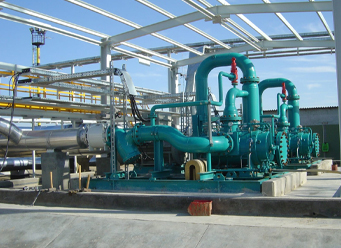
Performance & Engineering
The performance of a bathroom ejector pump system is governed by fundamental principles of fluid mechanics. Force analysis involves calculating the hydrostatic pressure exerted by the wastewater column, the frictional losses within the piping system, and the dynamic pressure generated by the pump. Head pressure, the vertical distance the pump can lift the wastewater, is a crucial performance metric. System engineers must account for the equivalent length of pipe (including fittings and valves) to accurately determine total dynamic head (TDH). Environmental resistance is vital, particularly concerning humidity and temperature fluctuations. Motors require robust sealing to prevent moisture ingress, and components must be rated for the expected operating temperature range. Compliance requirements vary by region, but generally include certification to electrical safety standards (UL, CSA, CE) and plumbing codes (IPC, UPC). Functional implementation necessitates a float switch system to automatically activate the pump when the tank reaches a predetermined level, and to deactivate it when the tank is sufficiently emptied. Proper ventillation is required to avoid the build up of explosive gasses. The check valve is a critical component to prevent backflow. The selection of pump curves is vital – choosing a pump that operates near its best efficiency point (BEP) maximizes energy efficiency and prolongs the pump's lifespan. Regular maintenance, including inspection of the check valve and float switch, is crucial for sustained performance. Cavitation, a phenomenon where vapor bubbles form and collapse within the pump impeller, can occur if the pump operates with insufficient net positive suction head (NPSH) and must be avoided.
Technical Specifications
| Parameter | Typical Value (Residential) | Typical Value (Commercial) | Units |
|---|---|---|---|
| Flow Rate | 45-75 | 75-150 | GPM |
| Maximum Head | 10-20 | 20-40 | Feet |
| Solids Handling Capability | 1-2 | 2-3 | Inches |
| Motor Horsepower | 1/2 - 3/4 | 1 - 2 | HP |
| Tank Capacity | 20-30 | 40-80 | Gallons |
| Voltage | 115/230 | 230/460 | VAC |
Failure Mode & Maintenance
Bathroom ejector pump systems are subject to several failure modes. Fatigue cracking of the impeller, particularly in stainless steel versions, can occur due to repeated stress from solids passage. Delamination of plastic components, such as the pump housing or tank, can result from UV exposure or chemical attack. Degradation of seals and gaskets leads to leaks and odor problems. Oxidation of motor windings can cause electrical failure. Clogging due to debris buildup restricts flow and overloads the motor. Float switch malfunctions, either sticking in the 'on' or 'off' position, disrupt automatic operation. Maintenance solutions include regular inspection of the tank for debris, cleaning the impeller and volute, replacing worn seals and gaskets, lubricating motor bearings, and testing the float switch functionality. Preventative maintenance also involves flushing the system with a biodegradable enzyme cleaner to prevent buildup of organic matter. In cases of impeller cracking, replacement is necessary. If delamination is observed, the entire component must be replaced. Electrical failures often require professional diagnosis and repair or motor replacement. Regular monitoring of amp draw can reveal impending motor failure. Addressing these issues proactively minimizes downtime and extends the system’s operational life. Furthermore, improper installation, such as insufficient venting or undersized discharge piping, significantly contributes to system failure.
Industry FAQ
Q: What is the primary cause of ejector pump failure in older residential systems?
A: The primary cause of failure in older residential systems is often corrosion of internal components, particularly the impeller and check valve, due to prolonged exposure to harsh wastewater. Aging seals and gaskets also contribute significantly, leading to leaks and reduced pumping efficiency. Additionally, the float switch mechanism can become brittle and unreliable over time.
Q: How do I determine the correct pump horsepower for my application?
A: Correct pump horsepower selection requires calculating the total dynamic head (TDH) which includes the vertical lift plus frictional losses in the piping system. The required flow rate, determined by the number and type of fixtures served, also factors into the calculation. A pump sizing chart, based on these parameters, will indicate the appropriate horsepower.
Q: What type of check valve is most reliable for these systems?
A: A silent check valve, typically constructed from a thermoplastic material with a flexible disc, is generally considered the most reliable option. These valves minimize water hammer and reduce noise compared to swing check valves. Regular inspection and cleaning are still essential to prevent debris buildup.
Q: What are the implications of improper venting on system performance?
A: Improper venting can create a vacuum within the tank, hindering the pump's ability to prime and efficiently evacuate wastewater. This can lead to reduced flow rates, increased pump run times, and potentially premature pump failure. A properly sized vent pipe is crucial for preventing these issues.
Q: How often should the ejector pump tank be inspected and cleaned?
A: The ejector pump tank should be inspected at least annually, and cleaned as needed. Frequency of cleaning depends on usage and the type of wastewater. Evidence of excessive solids buildup, odor issues, or reduced pump performance indicates the need for immediate cleaning.
Conclusion
Bathroom ejector pump systems represent a vital engineering solution for extending plumbing capabilities below the sewer line. Their performance relies heavily on careful material selection, precise manufacturing processes, and diligent maintenance. Addressing potential failure modes – from impeller fatigue to seal degradation – proactively safeguards against costly repairs and ensures long-term reliability.
Future advancements in this field will likely focus on enhanced energy efficiency through optimized pump designs and intelligent control systems. The integration of smart sensors and remote monitoring capabilities will enable predictive maintenance and minimize downtime. Continued development of corrosion-resistant materials will further extend the lifespan of these critical components, reducing the overall lifecycle cost.
-
Comprehensive Guide to Waterproof ORings for Optimal Sealing Solutions
News2026-06-09
-
best ejector pump for basement bathroom Material Science Manufacturing
News2026-06-28
-
bathroom ejector pump system Material Science Manufacturing
News2026-06-28
-
bathroom ejector pump Performance and Engineering
News2026-06-28
-
basement toilet ejector pump Performance Analysis
News2026-06-28
-
Septic Tank Pump Technology Analysis
News2026-06-28
-
Waste Tank Pump Performance Analysis
News2026-06-27
-
Sewer System Pump Out Material Science
News2026-06-27
-
Sewer Ejector Pit Performance Analysis
News2026-06-27
-
septic tank pumps for sale Performance Engineering
News2026-06-27
-
septic system with lift pump Performance Engineering
News2026-06-27
-
septic system sump pump Performance Analysis
News2026-06-26
-
septic pump company Performance Analysis
News2026-06-26
-
pumps water treatment Performance Analysis
News2026-06-26
-
pumps for septic tanks Material Science and Manufacturing
News2026-06-26




