English
- Afrikaans
- Albanian
- Amharic
- Arabic
- Armenian
- Azerbaijani
- Basque
- Belarusian
- Bengali
- Bosnian
- Bulgarian
- Catalan
- Cebuano
- Corsican
- Croatian
- Czech
- Danish
- Dutch
- English
- Esperanto
- Estonian
- Finnish
- French
- Frisian
- Galician
- Georgian
- German
- Greek
- Gujarati
- Haitian Creole
- hausa
- hawaiian
- Hebrew
- Hindi
- Miao
- Hungarian
- Icelandic
- igbo
- Indonesian
- irish
- Italian
- Japanese
- Javanese
- Kannada
- kazakh
- Khmer
- Rwandese
- Korean
- Kurdish
- Kyrgyz
- Lao
- Latin
- Latvian
- Lithuanian
- Luxembourgish
- Macedonian
- Malgashi
- Malay
- Malayalam
- Maltese
- Maori
- Marathi
- Mongolian
- Myanmar
- Nepali
- Norwegian
- Norwegian
- Occitan
- Pashto
- Persian
- Polish
- Portuguese
- Punjabi
- Romanian
- Russian
- Samoan
- Scottish Gaelic
- Serbian
- Sesotho
- Shona
- Sindhi
- Sinhala
- Slovak
- Slovenian
- Somali
- Spanish
- Sundanese
- Swahili
- Swedish
- Tagalog
- Tajik
- Tamil
- Tatar
- Telugu
- Thai
- Turkish
- Turkmen
- Ukrainian
- Urdu
- Uighur
- Uzbek
- Vietnamese
- Welsh
- Bantu
- Yiddish
- Yoruba
- Zulu

Telephone: +86 13120555503
Email: frank@cypump.com


Apr . 01, 2024 17:55 Back to list
Septic Tank Pump Technology Analysis
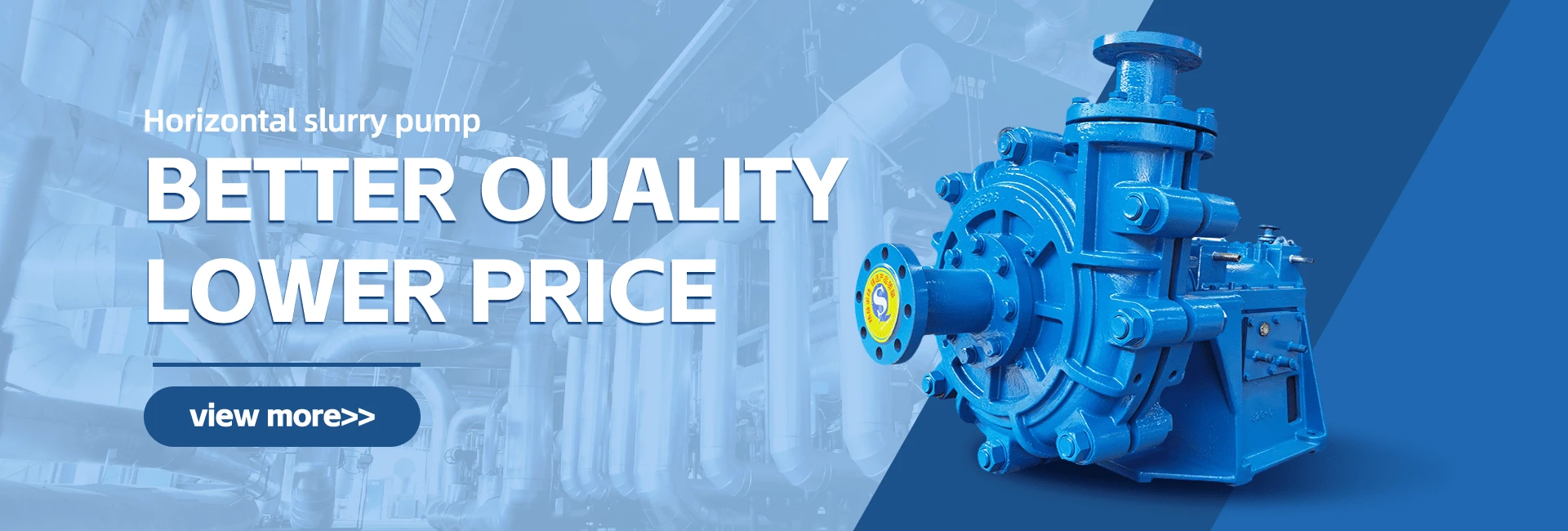
Introduction
A septic tank pump, also known as an effluent pump, is a crucial component of modern septic systems designed for properties not connected to municipal sewer lines. Its primary function is to transfer wastewater from the septic tank to a drainfield (also called a leach field) for further treatment and dispersal into the soil. Historically, gravity-fed systems were standard; however, challenges presented by challenging terrains, high water tables, or system design necessitate the use of pumps. These pumps overcome elevation differences and ensure efficient, reliable effluent distribution, preventing system failure and potential environmental contamination. The increasing prevalence of advanced treatment systems, such as aerobic treatment units (ATUs), frequently relies on consistent and precise pump operation for optimal performance. This guide provides a comprehensive overview of septic tank pump technology, encompassing material science, manufacturing processes, performance characteristics, potential failure modes, and relevant industry standards.
Material Science & Manufacturing
Septic tank pumps are typically constructed from materials chosen for their durability in a harsh, corrosive environment. The pump housing and impeller are commonly manufactured from engineered thermoplastics such as Polypropylene (PP) or High-Density Polyethylene (HDPE). These materials exhibit excellent resistance to the chemical attack from wastewater components (e.g., sulfates, chlorides, organic acids) and offer good abrasion resistance from suspended solids. Stainless steel (typically 304 or 316) is frequently utilized for critical components like fasteners, motor shafts, and volute casings, providing superior strength and corrosion resistance, especially in more demanding applications. The motor housing is usually cast aluminum, designed for effective heat dissipation and environmental protection.
Manufacturing processes vary depending on component complexity. Pump housings are often produced using injection molding, allowing for complex geometries and precise tolerances. Impellers can be similarly injection molded or, for higher performance applications requiring greater structural integrity, produced via investment casting with stainless steel. Motor stators are wound with copper wire and encapsulated in epoxy resin for electrical insulation and protection from moisture. Pump assembly involves rigorous quality control procedures, including pressure testing to ensure leak-free operation and dynamic balancing of the impeller to minimize vibration and prolong bearing life. Seal materials, critical for preventing leakage, are typically made of Nitrile (NBR) or Viton (FKM) elastomers, selected based on their compatibility with wastewater and temperature range. Proper curing and dimensional checks of these elastomers are essential to guarantee long-term sealing effectiveness. The electrical components are manufactured under strict adherence to UL and CSA safety standards.
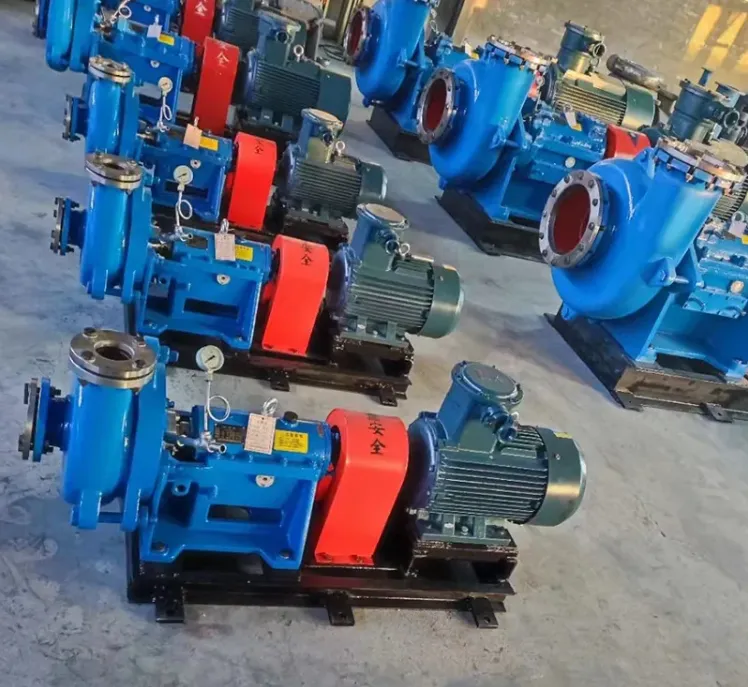
Performance & Engineering
The performance of a septic tank pump is dictated by several key engineering parameters. Head (the vertical distance the pump can lift the effluent) is a critical specification, directly influencing the system’s ability to overcome elevation changes and deliver effluent to the drainfield. Flow rate (typically measured in gallons per minute or GPM) determines the volume of effluent discharged per unit time. These two parameters are inversely related, defined by the pump’s performance curve. Pump selection requires careful consideration of the total dynamic head (TDH), which includes static lift, friction losses in the piping, and pressure requirements of any downstream treatment units.
Motor power (expressed in horsepower or watts) is directly proportional to the pump’s ability to deliver the required head and flow rate. Submersible pumps, the most common type used in septic systems, rely on oil-filled motors for cooling and electrical insulation. Engineers must perform thorough force analysis to ensure the pump housing and impeller can withstand the stresses generated during operation. Environmental resistance is crucial; pumps must operate reliably in a submerged, corrosive environment. Compliance with local and national regulations, such as NSF/ANSI Standard 40 for septic tank components, is essential to ensure safe and effective wastewater treatment. Intermittent operation, controlled by a float switch or timer, is typical to conserve energy and prolong pump life. Pump curves demonstrating head-flow performance at varying impeller speeds are essential for appropriate system design. The impeller design impacts solids handling capability; open impellers are better suited for handling fibrous materials or larger solids common in septic waste.
Technical Specifications
| Parameter | Typical Range | Units | Testing Standard |
|---|---|---|---|
| Maximum Head | 20-80 | Feet | Hydraulic Institute |
| Flow Rate | 40-120 | GPM | ANSI/ASME B73.1 |
| Motor Horsepower | 1/2 - 1 | HP | NEMA MG 1 |
| Voltage | 120/240 | VAC | UL 508A |
| Solids Handling Capacity | Up to 2 inches | Diameter | In-house testing |
| Operating Temperature | 33-90 | °F | ASTM D698 |
Failure Mode & Maintenance
Septic tank pumps, despite robust design, are susceptible to various failure modes. Common issues include impeller clogging due to the accumulation of solids, leading to reduced flow or complete pump stoppage. Bearing failure, resulting from wear, corrosion, or lack of lubrication, can cause excessive noise and eventual pump seizure. Seal failure leads to leakage, potentially damaging the motor and causing electrical hazards. Motor burnout can occur due to overheating, voltage fluctuations, or excessive cycling. Float switch malfunctions can result in continuous pump operation, leading to motor burnout and system overload. Corrosion of metallic components, particularly in aggressive wastewater environments, can compromise structural integrity.
Preventative maintenance is critical for extending pump life. Regular inspection (at least annually) should include checking for leaks, unusual noises, and proper float switch operation. Periodic cleaning of the pump inlet screen and impeller housing removes accumulated solids. Lubrication of bearings (if applicable) reduces friction and wear. Voltage and amperage measurements should be taken to identify potential electrical issues. Replacing worn seals proactively prevents leakage. Proper grounding and surge protection are essential to protect the motor from electrical damage. When troubleshooting, always disconnect power before attempting any repairs. If corrosion is identified, consider replacing the affected components with corrosion-resistant materials. Records of maintenance activities should be maintained for future reference.
Industry FAQ
Q: What is the difference between a submersible and an external septic tank pump?
A: Submersible pumps are designed to be fully immersed in the wastewater within the septic tank, offering quieter operation and self-priming capabilities. External pumps are located outside the tank and require a suction lift, potentially leading to priming issues and more noise. Submersible pumps are generally preferred for new installations due to their reliability and efficiency.
Q: How often should a septic tank pump be serviced?
A: A comprehensive service, including inspection, cleaning, and testing, should be performed annually. More frequent servicing may be required in areas with high solids loading or challenging wastewater characteristics.
Q: What are the signs that a septic tank pump is failing?
A: Common signs include reduced flow to the drainfield, frequent pump cycling, unusual noises (grinding, humming), a tripped circuit breaker, or visible leaks around the pump.
Q: What size pump do I need for my septic system?
A: Pump sizing depends on several factors, including the total dynamic head, flow rate requirements, and drainfield characteristics. A qualified septic system professional should perform a site evaluation and calculations to determine the appropriate pump size.
Q: Can I use any type of septic tank pump in my system?
A: No. The pump must be specifically designed for septic tank applications and meet relevant industry standards (e.g., NSF/ANSI 40). Using an inappropriate pump can lead to system failure and environmental contamination.
Conclusion
Septic tank pumps are vital for the efficient operation of modern septic systems, enabling wastewater management in locations where gravity flow is insufficient. Their construction relies on a careful selection of materials – engineered thermoplastics and stainless steel – chosen for their resistance to the corrosive nature of wastewater. Effective pump performance is dictated by meticulous engineering considerations, including head, flow rate, and motor power, ensuring reliable effluent transfer to the drainfield. Proper maintenance, encompassing regular inspections, cleaning, and component replacement, is paramount for preventing failure and maximizing the operational lifespan of the pump.
The future of septic tank pump technology is likely to focus on advancements in energy efficiency, smart controls, and remote monitoring capabilities. Integrating pumps with IoT-enabled sensors and data analytics can enable predictive maintenance and optimize system performance. Further research into novel materials with enhanced corrosion resistance will also contribute to increased pump longevity and reduced maintenance costs. As regulations surrounding wastewater treatment become increasingly stringent, the role of reliable and efficient septic tank pumps will only become more critical for protecting public health and the environment.
-
Comprehensive Guide to Waterproof ORings for Optimal Sealing Solutions
News2026-06-09
-
best ejector pump for basement bathroom Material Science Manufacturing
News2026-06-28
-
bathroom ejector pump system Material Science Manufacturing
News2026-06-28
-
bathroom ejector pump Performance and Engineering
News2026-06-28
-
basement toilet ejector pump Performance Analysis
News2026-06-28
-
Septic Tank Pump Technology Analysis
News2026-06-28
-
Waste Tank Pump Performance Analysis
News2026-06-27
-
Sewer System Pump Out Material Science
News2026-06-27
-
Sewer Ejector Pit Performance Analysis
News2026-06-27
-
septic tank pumps for sale Performance Engineering
News2026-06-27
-
septic system with lift pump Performance Engineering
News2026-06-27
-
septic system sump pump Performance Analysis
News2026-06-26
-
septic pump company Performance Analysis
News2026-06-26
-
pumps water treatment Performance Analysis
News2026-06-26
-
pumps for septic tanks Material Science and Manufacturing
News2026-06-26




