English
- Afrikaans
- Albanian
- Amharic
- Arabic
- Armenian
- Azerbaijani
- Basque
- Belarusian
- Bengali
- Bosnian
- Bulgarian
- Catalan
- Cebuano
- Corsican
- Croatian
- Czech
- Danish
- Dutch
- English
- Esperanto
- Estonian
- Finnish
- French
- Frisian
- Galician
- Georgian
- German
- Greek
- Gujarati
- Haitian Creole
- hausa
- hawaiian
- Hebrew
- Hindi
- Miao
- Hungarian
- Icelandic
- igbo
- Indonesian
- irish
- Italian
- Japanese
- Javanese
- Kannada
- kazakh
- Khmer
- Rwandese
- Korean
- Kurdish
- Kyrgyz
- Lao
- Latin
- Latvian
- Lithuanian
- Luxembourgish
- Macedonian
- Malgashi
- Malay
- Malayalam
- Maltese
- Maori
- Marathi
- Mongolian
- Myanmar
- Nepali
- Norwegian
- Norwegian
- Occitan
- Pashto
- Persian
- Polish
- Portuguese
- Punjabi
- Romanian
- Russian
- Samoan
- Scottish Gaelic
- Serbian
- Sesotho
- Shona
- Sindhi
- Sinhala
- Slovak
- Slovenian
- Somali
- Spanish
- Sundanese
- Swahili
- Swedish
- Tagalog
- Tajik
- Tamil
- Tatar
- Telugu
- Thai
- Turkish
- Turkmen
- Ukrainian
- Urdu
- Uighur
- Uzbek
- Vietnamese
- Welsh
- Bantu
- Yiddish
- Yoruba
- Zulu

Telephone: +86 13120555503
Email: frank@cypump.com


Apr . 01, 2024 17:55 Back to list
stainless steel submersible sewage pumps Performance Engineering
Introduction
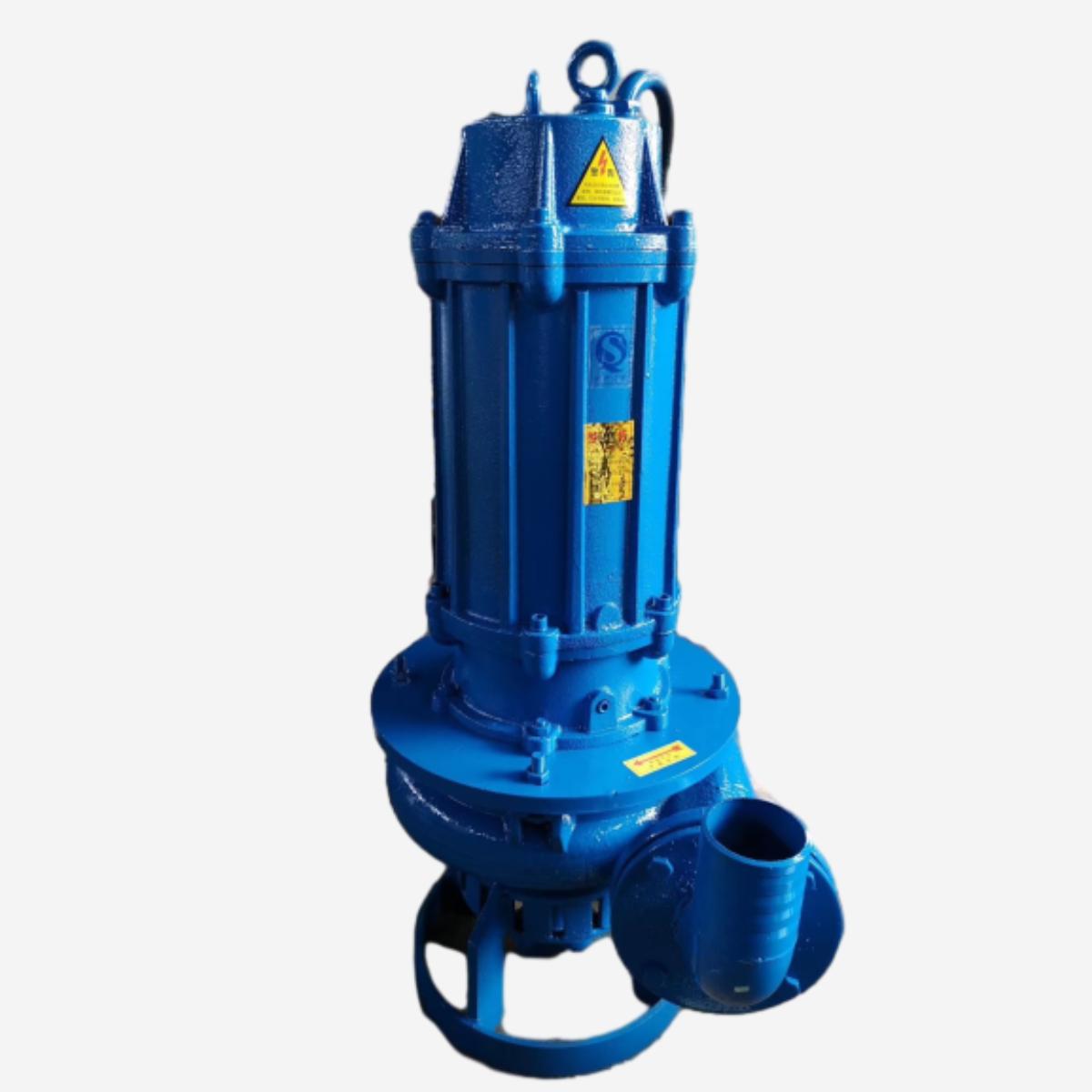
Stainless steel submersible sewage pumps are centrifugal pumps specifically designed for the efficient and reliable removal of wastewater, sewage, and slurries. Positioned as critical components within wastewater treatment plants, municipal sewage systems, industrial effluent handling, and flood control infrastructure, these pumps offer a robust and dependable solution where continuous submerged operation is required. Their construction utilizes stainless steel – typically grades 304 or 316 – to ensure corrosion resistance in aggressive fluid environments. Core performance characteristics include flow rate (measured in gallons per minute or cubic meters per hour), total dynamic head (TDH, measured in feet or meters), solids handling capability (expressed in diameter and concentration), and electrical efficiency (typically measured as percentage). The industry is increasingly focused on pumps offering variable frequency drive (VFD) compatibility for optimized energy consumption and automated operation, and models that minimize clogging from fibrous materials.
Material Science & Manufacturing
The primary material for these pumps is stainless steel, chosen for its exceptional corrosion resistance, particularly in the presence of hydrogen sulfide, chlorides, and other aggressive constituents found in sewage. Grade 304 stainless steel offers good corrosion resistance in many applications but is susceptible to pitting corrosion in high chloride environments. Grade 316, containing molybdenum, provides superior resistance to pitting and crevice corrosion, making it the preferred choice for marine applications or sewage with high salinity. The impeller and volute are often manufactured using investment casting or centrifugal casting to achieve complex geometries and precise dimensional tolerances. The pump housing is typically formed by welding stainless steel plates, employing Shielded Metal Arc Welding (SMAW) or Gas Tungsten Arc Welding (GTAW) processes. Key parameter control during welding includes maintaining appropriate heat input to minimize distortion and ensuring complete penetration to prevent porosity. Shaft seals, crucial for preventing leakage, are typically mechanical seals composed of silicon carbide faces, offering high wear resistance and chemical compatibility. Elastomeric components, such as O-rings and diaphragms, are usually made from nitrile rubber (NBR) or Viton (FKM) for oil and chemical resistance. Surface finishing, often involving electropolishing, passivates the stainless steel, enhancing its corrosion resistance by creating a chromium-rich oxide layer.
Performance & Engineering
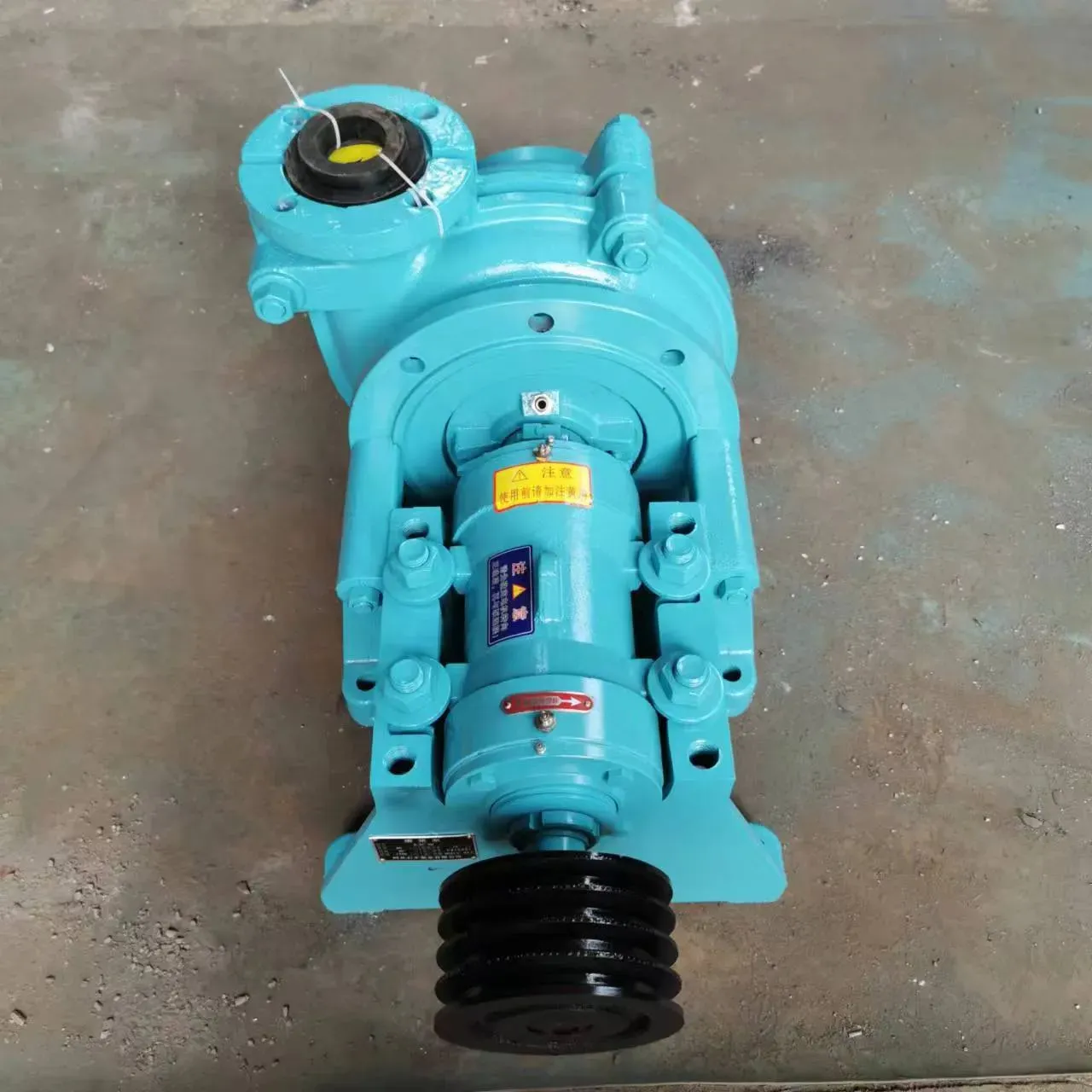
Performance is fundamentally governed by hydraulic principles, namely Bernoulli’s equation and the affinity laws. Force analysis focuses on impeller blade loading, shaft torsion, and bearing pressures. Impeller design utilizes computational fluid dynamics (CFD) to optimize hydraulic efficiency and minimize cavitation. Cavitation, the formation and collapse of vapor bubbles, can severely damage the impeller. Preventing cavitation requires careful consideration of Net Positive Suction Head Required (NPSHr) versus Net Positive Suction Head Available (NPSHa). Environmental resistance is a critical factor; pumps are designed to operate reliably in a submerged environment, resisting hydrostatic pressure and potential galvanic corrosion. Electrical insulation is paramount to prevent short circuits. Motors are typically Class H insulated and filled with oil to dissipate heat and prevent water ingress. Compliance requirements include adherence to hydraulic institute standards for pump performance testing (ANSI/HI standards), electrical safety standards (IEC 60034-1 for rotating electrical machines), and environmental regulations concerning noise emissions and energy efficiency. Pump curves, graphical representations of head versus flow rate, are essential for proper system design and pump selection. The pump’s hydraulic power is calculated as (Flow Rate Total Dynamic Head Specific Gravity) / (3960 Pump Efficiency), and this informs motor sizing.
Technical Specifications
| Parameter | Unit | Typical Range (Small Pump) | Typical Range (Large Pump) |
|---|---|---|---|
| Flow Rate | GPM (US) | 20-100 | 200-1000+ |
| Total Dynamic Head | ft | 10-50 | 80-200+ |
| Solids Handling | inches | Up to 2 | Up to 4+ |
| Motor Power | HP | 0.5-5 | 10-100+ |
| Impeller Material | - | 304 Stainless Steel | 316 Stainless Steel/High Chrome Iron |
| Housing Material | - | 304 Stainless Steel | 316 Stainless Steel |
Failure Mode & Maintenance
Common failure modes include impeller wear due to abrasive solids, bearing failure from overloading or lack of lubrication, seal failure resulting in leakage, motor winding failure caused by overheating or moisture ingress, and corrosion leading to structural weakening. Fatigue cracking can occur in the pump housing or impeller due to cyclical loading. Delamination of coatings (if applied) can accelerate corrosion. Degradation of elastomer seals leads to leakage. Oxidation of stainless steel, although slow, occurs over time, particularly in chloride-rich environments. Regular maintenance is crucial. This includes periodic inspection of the impeller and housing for wear, lubrication of bearings, replacement of seals as needed, and monitoring of motor winding insulation resistance. Vibration analysis can detect bearing wear or impeller imbalance. Preventative maintenance schedules should be established based on operating hours and fluid characteristics. For pumps operating in particularly aggressive environments, regular inspection for pitting corrosion and localized corrosion is essential. Backflushing systems can help to remove accumulated solids and prevent clogging. When replacing components, ensure compatibility with the fluid being pumped.
Industry FAQ
Q: What is the impact of varying solids concentration on pump selection?
A: Higher solids concentrations require pumps with larger impeller passages and more robust construction. Increased wear rates are expected, necessitating more frequent inspection and replacement of wear parts. Pumps designed for solids handling often incorporate recessed impellers or vortex impellers to minimize clogging and wear. The pump's solids handling capacity is typically specified as a maximum percentage by weight or volume.
Q: How does temperature affect the performance and longevity of the pump?
A: Elevated temperatures can reduce the viscosity of the fluid, potentially increasing flow rates but also accelerating corrosion and reducing the life of elastomer seals. High operating temperatures can also lead to motor overheating. Pump specifications should clearly indicate the maximum operating temperature. Cooling systems may be required for pumps operating in high-temperature environments.
Q: What are the considerations for selecting a pump for variable flow applications?
A: Variable flow applications require pumps compatible with Variable Frequency Drives (VFDs). VFDs allow for precise control of pump speed, optimizing energy consumption and maintaining desired flow rates. The motor must be VFD-rated to withstand the harmonic distortion produced by the drive. Pump curves should be reviewed to ensure acceptable performance across the entire operating range.
Q: How does the specific gravity of the pumped fluid influence pump selection?
A: Specific gravity directly affects the hydraulic power required to operate the pump. Fluids with higher specific gravity require more power to achieve the same flow rate and head. Pump curves are typically based on water (specific gravity of 1.0), so corrections must be made for fluids with different specific gravities.
Q: What are the implications of galvanic corrosion in submersible pump installations?
A: Galvanic corrosion can occur when dissimilar metals are submerged in an electrolyte (the sewage). Stainless steel, while corrosion resistant, can still undergo galvanic corrosion if coupled with less noble metals. Proper grounding and the use of sacrificial anodes can mitigate this risk. Careful material selection is crucial to minimize the potential for galvanic corrosion.
Conclusion
Stainless steel submersible sewage pumps represent a vital technology for wastewater management, offering durability, reliability, and efficient fluid handling. The selection process demands a thorough understanding of fluid characteristics, operating conditions, and applicable standards. Proper material selection, particularly the grade of stainless steel, is paramount to ensure long-term corrosion resistance.
Future trends indicate increasing adoption of smart pump technologies incorporating sensors, data analytics, and remote monitoring capabilities for predictive maintenance and optimized performance. Continued innovation in impeller design and motor efficiency will further enhance the overall efficiency and sustainability of these critical systems. Investing in regular maintenance and adhering to best practices will maximize pump life and minimize total cost of ownership.
-
Comprehensive Guide to Waterproof ORings for Optimal Sealing Solutions
News2026-06-09
-
ejector pump parts Material Science Manufacturing
News2026-06-29
-
Drain Field Pump Technology and Performance Analysis
News2026-06-29
-
commercial submersible water pump Performance Analysis
News2026-06-29
-
commercial submersible pump Performance Engineering
News2026-06-29
-
cesspool pump Performance Analysis
News2026-06-29
-
best ejector pump for basement bathroom Material Science Manufacturing
News2026-06-28
-
bathroom ejector pump system Material Science Manufacturing
News2026-06-28
-
bathroom ejector pump Performance and Engineering
News2026-06-28
-
basement toilet ejector pump Performance Analysis
News2026-06-28
-
Septic Tank Pump Technology Analysis
News2026-06-28
-
Waste Tank Pump Performance Analysis
News2026-06-27
-
Sewer System Pump Out Material Science
News2026-06-27
-
Sewer Ejector Pit Performance Analysis
News2026-06-27
-
septic tank pumps for sale Performance Engineering
News2026-06-27




