English
- Afrikaans
- Albanian
- Amharic
- Arabic
- Armenian
- Azerbaijani
- Basque
- Belarusian
- Bengali
- Bosnian
- Bulgarian
- Catalan
- Cebuano
- Corsican
- Croatian
- Czech
- Danish
- Dutch
- English
- Esperanto
- Estonian
- Finnish
- French
- Frisian
- Galician
- Georgian
- German
- Greek
- Gujarati
- Haitian Creole
- hausa
- hawaiian
- Hebrew
- Hindi
- Miao
- Hungarian
- Icelandic
- igbo
- Indonesian
- irish
- Italian
- Japanese
- Javanese
- Kannada
- kazakh
- Khmer
- Rwandese
- Korean
- Kurdish
- Kyrgyz
- Lao
- Latin
- Latvian
- Lithuanian
- Luxembourgish
- Macedonian
- Malgashi
- Malay
- Malayalam
- Maltese
- Maori
- Marathi
- Mongolian
- Myanmar
- Nepali
- Norwegian
- Norwegian
- Occitan
- Pashto
- Persian
- Polish
- Portuguese
- Punjabi
- Romanian
- Russian
- Samoan
- Scottish Gaelic
- Serbian
- Sesotho
- Shona
- Sindhi
- Sinhala
- Slovak
- Slovenian
- Somali
- Spanish
- Sundanese
- Swahili
- Swedish
- Tagalog
- Tajik
- Tamil
- Tatar
- Telugu
- Thai
- Turkish
- Turkmen
- Ukrainian
- Urdu
- Uighur
- Uzbek
- Vietnamese
- Welsh
- Bantu
- Yiddish
- Yoruba
- Zulu

Telephone: +86 13120555503
Email: frank@cypump.com


Apr . 01, 2024 17:55 Back to list
China OEM Slurry Pump Engineering Technical Analysis and Manufacturing Specifications
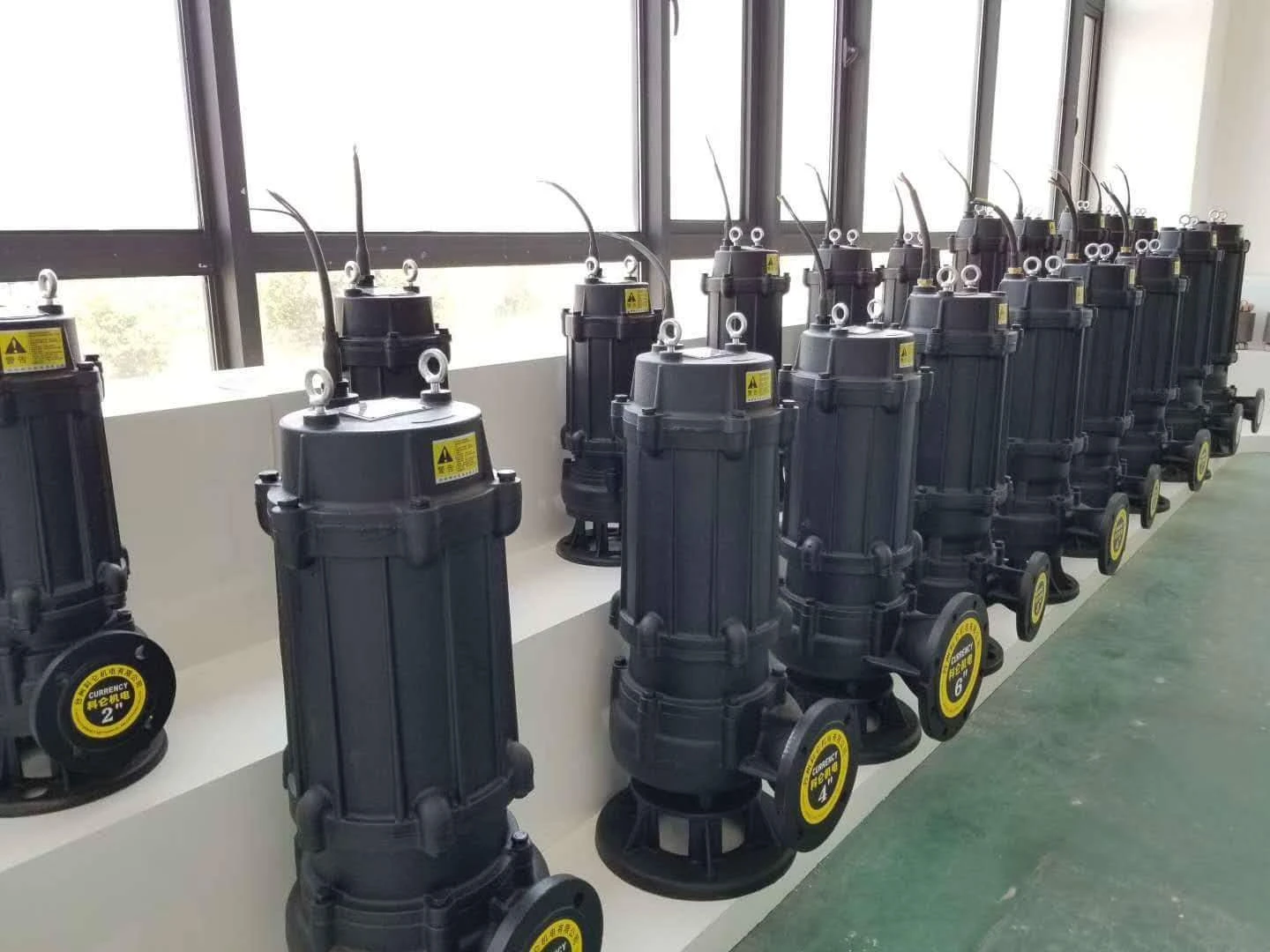
China OEM Slurry Pump Engineering: Technical Analysis and Manufacturing Specifications
China OEM slurry pump engineering represents a specialized segment of fluid dynamics and materials science dedicated to the transport of abrasive, corrosive, and high-density particulate suspensions. In the industrial value chain, these pumps serve as the critical nexus between raw material extraction and processing, widely deployed in mining, dredging, chemical processing, and wastewater treatment. The fundamental technical objective of slurry pump engineering is to balance the contradictory requirements of high volumetric flow rates and extreme wear resistance. By optimizing the hydraulic geometry and implementing advanced metallurgy, OEM engineering focuses on minimizing the Velocity-Wear coefficient, ensuring that the energy imparted to the fluid is maximized for transport while minimizing the kinetic erosion of the internal pump components. This technical guide analyzes the engineering convergence of metallurgy, hydraulic design, and failure prevention in the production of high-performance slurry pumps.
Material Science & Manufacturing
The efficacy of a slurry pump is primarily dictated by its resistance to abrasive wear and chemical corrosion. OEM engineering in China focuses on several high-performance alloy systems and composite materials tailored to specific slurry profiles.
1. Advanced Metallurgical Structures: For high-chrome applications, engineers utilize High-Chrome White Cast Irons (typically 25% to 28% Cr). The microstructure consists of primary M7C3 carbides embedded in a martensitic matrix. This combination provides the hardness necessary to resist micro-cutting and plowing caused by angular particles. For mildly abrasive but highly corrosive environments, duplex stainless steels (e.g., CD4MCu) are employed to provide a synergistic balance of pitting resistance (PREN) and mechanical strength.
2. Elastomer Engineering: Natural rubber and Polyurethane liners are engineered for fine-particle slurries. The focus here is on the "resilience" of the material; the elastomer must be capable of absorbing the kinetic energy of the impact and rebounding, rather than fracturing. Vulcanization processes are strictly controlled to ensure optimal cross-linking density, preventing premature delamination under high-pressure cycles.
3. Manufacturing Precision: The production flow involves precision investment casting to ensure that the impeller vanes maintain a strict profile, reducing turbulence and eddy currents. Post-casting, components undergo CNC machining to achieve tolerances within microns for the wear plate and impeller clearance. The heat treatment phase—including quenching and tempering—is critical to eliminate internal stresses and ensure a uniform hardness distribution across the casting thickness, preventing stress-corrosion cracking (SCC).
Performance & Engineering
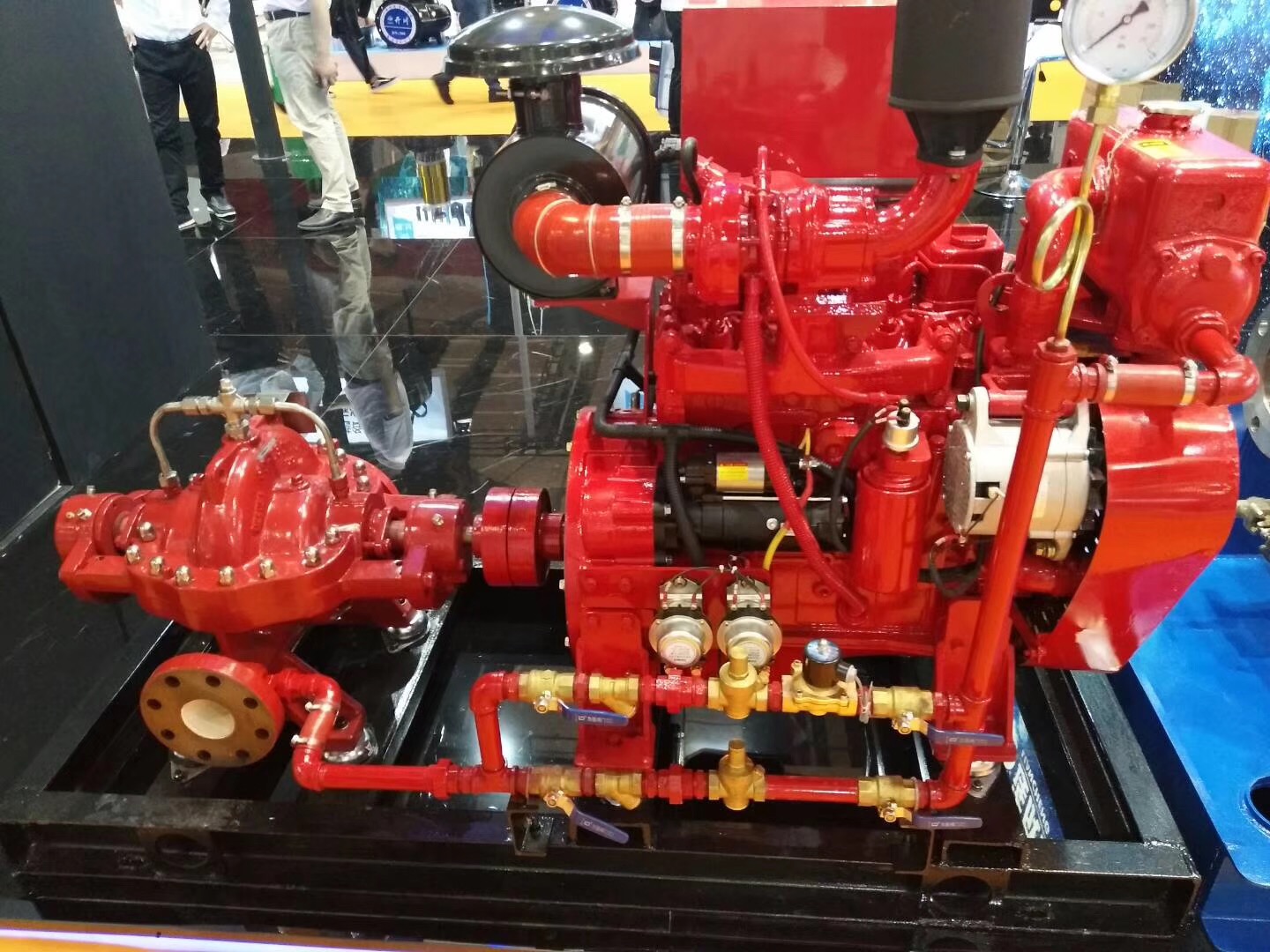
Engineering a slurry pump requires a deep understanding of the non-Newtonian behavior of the fluid. Slurry viscosity often varies with shear rate, requiring a sophisticated approach to hydraulic design and force analysis.
1. Hydraulic Optimization: The impeller design is centered on the "Critical Velocity" concept. If the flow velocity falls below the critical limit, particles settle, leading to sedimentation and catastrophic blockage. Conversely, excessive velocity accelerates wear exponentially (Wear Rate $propto$ Velocity$^n$). OEM engineers utilize Computational Fluid Dynamics (CFD) to optimize the vane angle and volute geometry, ensuring a smooth transition of pressure and minimizing areas of high turbulence where cavitation is likely to occur.
2. Sealing and Shaft Protection: To prevent the ingress of abrasive particles into the bearing housing, an expeller (or booster) system is engineered. The expeller creates a centrifugal barrier that diverts the slurry away from the stuffing box. Furthermore, the use of mechanical seals with silicon carbide (SiC) or tungsten carbide faces provides a hard-on-hard sealing interface capable of withstanding the high frictional heat and abrasive load.
3. Structural Integrity and Force Analysis: The pump casing is engineered to withstand high internal pressures and the external stresses of mounting. Analysis includes calculating the radial and axial thrust loads on the shaft. Heavy-duty bearings and reinforced shafting (often using forged alloy steels) are implemented to prevent shaft deflection, which would otherwise lead to premature wear of the seal and impeller interfaces.
Technical Specifications
| Parameter Category | High-Chrome Specification | Natural Rubber Specification | Duplex Steel Specification | Unit/Standard |
|---|---|---|---|---|
| Hardness (Rockwell C) | 60 - 65 HRC | 70 - 85 Shore A | 25 - 35 HRC | HRC / Shore A |
| Max Particle Size | Up to 15mm | Up to 5mm | Up to 10mm | mm |
| Abrasion Resistance | Extreme (Coarse) | High (Fine) | Moderate (Corrosive) | Performance Grade |
| Operating Temp Range | -20°C to 150°C | -10°C to 70°C | -40°C to 200°C | Celsius |
| Corrosion Resistance | Moderate | Excellent (Acidic) | Extreme (Chloride) | Chemical Grade |
| Typical Life Cycle | 8,000 - 12,000 hrs | 6,000 - 10,000 hrs | 15,000+ hrs | Operating Hours |
Failure Mode & Maintenance
Understanding the failure modes of slurry pumps is essential for maximizing Mean Time Between Failures (MTBF). The most common failures are analyzed below:
1. Erosive Wear and Cavitation: Erosion typically manifests as "grooving" or localized thinning of the impeller vanes. This is often exacerbated by cavitation, where low-pressure zones cause vapor bubbles to collapse violently against the metal surface. The result is a pitted, sponge-like appearance. Solution: Ensure the Net Positive Suction Head Available (NPSHa) exceeds the Net Positive Suction Head Required (NPSHr) and adjust the pump speed via Variable Frequency Drives (VFD).
2. Delamination and Tearing: In rubber-lined pumps, delamination occurs when the bond between the elastomer and the cast iron shell fails, often due to thermal expansion mismatch or chemical degradation. Tearing occurs when large, sharp particles pierce the liner. Solution: Implement strict temperature monitoring and utilize reinforced composite liners for high-impact slurries.
3. Fatigue Cracking and Shaft Failure: Repeated cycling of heavy loads can lead to fatigue cracks, particularly at the shaft shoulder. Oxidation of the shaft in corrosive environments can also create stress concentrators. Solution: Use induction-hardened shafts and implement a vibration analysis program to detect imbalance or misalignment before failure occurs.
Maintenance Protocol: Weekly inspections should focus on gland packing leakage rates and vibration levels. Quarterly maintenance must include the measurement of liner thickness using ultrasonic gauges to predict the replacement interval and avoid casing penetration.
Industry FAQ
Q: How do we determine whether to specify a high-chrome liner or a rubber liner for a specific OEM project?
A: The selection depends primarily on the particle size and the nature of the abrasion. High-chrome alloys are superior for coarse, angular particles that cause "cutting" wear. Rubber liners are preferred for fine particles that cause "attrition" wear, as the elastomer absorbs the impact energy rather than resisting it through hardness.
Q: What is the impact of slurry concentration (density) on pump efficiency and wear rates?
A: Increasing the concentration increases the apparent viscosity and the friction loss within the pump. From a wear perspective, higher concentrations increase the frequency of particle-wall collisions, which linearly increases the wear rate until a "critical concentration" is reached, beyond which turbulence may actually decrease localized erosion.
Q: How does OEM engineering address the problem of "plugging" in high-density slurry transport?
A: Plugging is mitigated by ensuring the flow remains in the turbulent regime. We engineer the pump to maintain a velocity above the "Durand Limit" (critical deposition velocity). Additionally, we design the volute with a wider discharge area to reduce pressure drops and prevent particle accumulation.
Q: Which sealing method is most reliable for highly acidic slurry applications?
A: For highly acidic environments, we recommend a double mechanical seal with a pressurized barrier fluid. This ensures that any leakage is of the clean barrier fluid into the process, rather than the corrosive slurry entering the seal faces, thereby extending the seal life significantly.
Q: Can the pump be operated in a "dry-run" condition during start-up?
A: No. Dry-running a slurry pump is catastrophic, especially for rubber-lined models, as the lack of fluid causes rapid heat buildup that can melt the liners or seize the mechanical seals. A priming system or a recirculation loop is mandatory to ensure the pump is flooded before startup.
Conclusion
China OEM slurry pump engineering is a sophisticated convergence of hydraulic precision and metallurgical resilience. The ability to transport abrasive media efficiently depends on the rigorous application of material science—specifically the optimization of carbide structures in high-chrome alloys and the elasticity of industrial polymers. By integrating CFD analysis with stringent manufacturing tolerances, OEM engineers can significantly reduce the total cost of ownership (TCO) for end-users by extending component longevity and optimizing energy consumption.
Looking forward, the industry is moving toward "Smart Slurry Engineering," incorporating IoT sensors for real-time wear monitoring and AI-driven predictive maintenance. The transition from scheduled maintenance to condition-based maintenance will further minimize unplanned downtime in critical mining and industrial operations, ensuring that slurry transport systems remain the robust backbone of global mineral processing.
-
Comprehensive Guide to Waterproof ORings for Optimal Sealing Solutions
News2026-06-09
-
ejector pump parts Material Science Manufacturing
News2026-06-29
-
Drain Field Pump Technology and Performance Analysis
News2026-06-29
-
commercial submersible water pump Performance Analysis
News2026-06-29
-
commercial submersible pump Performance Engineering
News2026-06-29
-
cesspool pump Performance Analysis
News2026-06-29
-
best ejector pump for basement bathroom Material Science Manufacturing
News2026-06-28
-
bathroom ejector pump system Material Science Manufacturing
News2026-06-28
-
bathroom ejector pump Performance and Engineering
News2026-06-28
-
basement toilet ejector pump Performance Analysis
News2026-06-28
-
Septic Tank Pump Technology Analysis
News2026-06-28
-
Waste Tank Pump Performance Analysis
News2026-06-27
-
Sewer System Pump Out Material Science
News2026-06-27
-
Sewer Ejector Pit Performance Analysis
News2026-06-27
-
septic tank pumps for sale Performance Engineering
News2026-06-27




