English
- Afrikaans
- Albanian
- Amharic
- Arabic
- Armenian
- Azerbaijani
- Basque
- Belarusian
- Bengali
- Bosnian
- Bulgarian
- Catalan
- Cebuano
- Corsican
- Croatian
- Czech
- Danish
- Dutch
- English
- Esperanto
- Estonian
- Finnish
- French
- Frisian
- Galician
- Georgian
- German
- Greek
- Gujarati
- Haitian Creole
- hausa
- hawaiian
- Hebrew
- Hindi
- Miao
- Hungarian
- Icelandic
- igbo
- Indonesian
- irish
- Italian
- Japanese
- Javanese
- Kannada
- kazakh
- Khmer
- Rwandese
- Korean
- Kurdish
- Kyrgyz
- Lao
- Latin
- Latvian
- Lithuanian
- Luxembourgish
- Macedonian
- Malgashi
- Malay
- Malayalam
- Maltese
- Maori
- Marathi
- Mongolian
- Myanmar
- Nepali
- Norwegian
- Norwegian
- Occitan
- Pashto
- Persian
- Polish
- Portuguese
- Punjabi
- Romanian
- Russian
- Samoan
- Scottish Gaelic
- Serbian
- Sesotho
- Shona
- Sindhi
- Sinhala
- Slovak
- Slovenian
- Somali
- Spanish
- Sundanese
- Swahili
- Swedish
- Tagalog
- Tajik
- Tamil
- Tatar
- Telugu
- Thai
- Turkish
- Turkmen
- Ukrainian
- Urdu
- Uighur
- Uzbek
- Vietnamese
- Welsh
- Bantu
- Yiddish
- Yoruba
- Zulu

Telephone: +86 13120555503
Email: frank@cypump.com


Apr . 01, 2024 17:55 Back to list
china slurry pump metal parts Manufacturing Specification and Performance Analysis
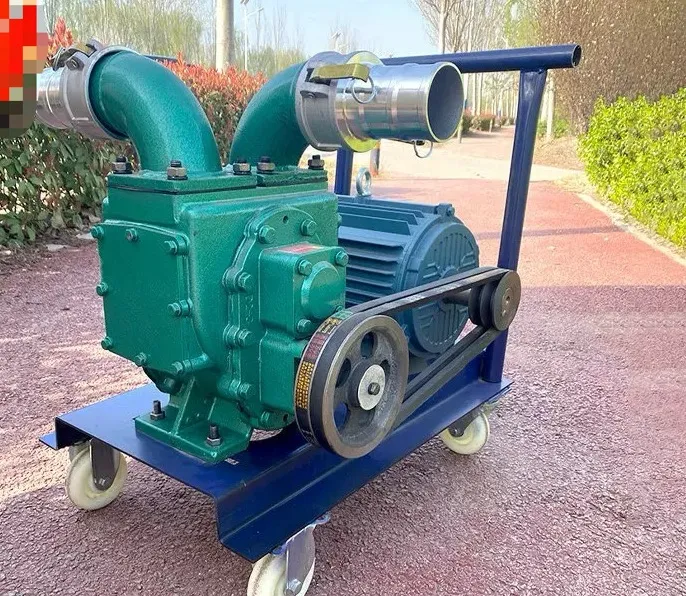
China Slurry Pump Metal Parts Manufacturing Specification and Performance Analysis
China slurry pump metal parts represent a critical engineering intersection between fluid dynamics and materials science, specifically designed to transport highly abrasive and corrosive fluids—such as tailings, mineral slurries, and chemical waste. In the industrial value chain, these components (including impellers, volutes, and throat bushings) function as the primary sacrificial barriers against extreme mechanical wear. The technical objective of these parts is to maximize the Mean Time Between Failures (MTBF) by optimizing the trade-off between hardness (to resist abrasion) and toughness (to prevent brittle fracture under impact). As global mining and dredging operations increase in scale, the engineering focus has shifted toward high-chromium alloys and specialized polymers to handle higher solids concentrations and increased flow velocities.
Material Science & Manufacturing
The metallurgical integrity of china slurry pump metal parts is determined by the precise control of the microstructure, typically centering on High Chromium Cast Iron ( ASTM A532) and duplex stainless steels. The primary challenge is achieving a uniform distribution of M7C3 carbides within a martensitic matrix. This structure ensures that the carbides provide the necessary hardness (typically 55-65 HRC) to withstand the sliding abrasion of quartz and other minerals, while the martensite provides the structural strength to withstand hydraulic shocks.
The manufacturing process involves several critical stages:
1. Precision Casting: Utilizing sand casting or investment casting, where the mold temperature and pouring speed are strictly controlled to prevent shrinkage porosity and gas inclusions.
2. Thermal Treatment: A rigorous heat treatment cycle is employed, involving austenitizing at high temperatures followed by controlled quenching and tempering. This process transforms the austenite into tempered martensite, reducing internal stresses and enhancing impact resistance.
3. CNC Precision Machining: Given the extreme hardness of the material, grinding and hard-turning are utilized to achieve tight tolerances on mating surfaces, ensuring optimal hydraulic seals and minimizing leakage.
4. Surface Engineering: In specific applications, tungsten carbide cladding or laser cladding is applied to high-wear zones (such as the impeller vane tips) to extend the service life beyond the capabilities of bulk alloys.
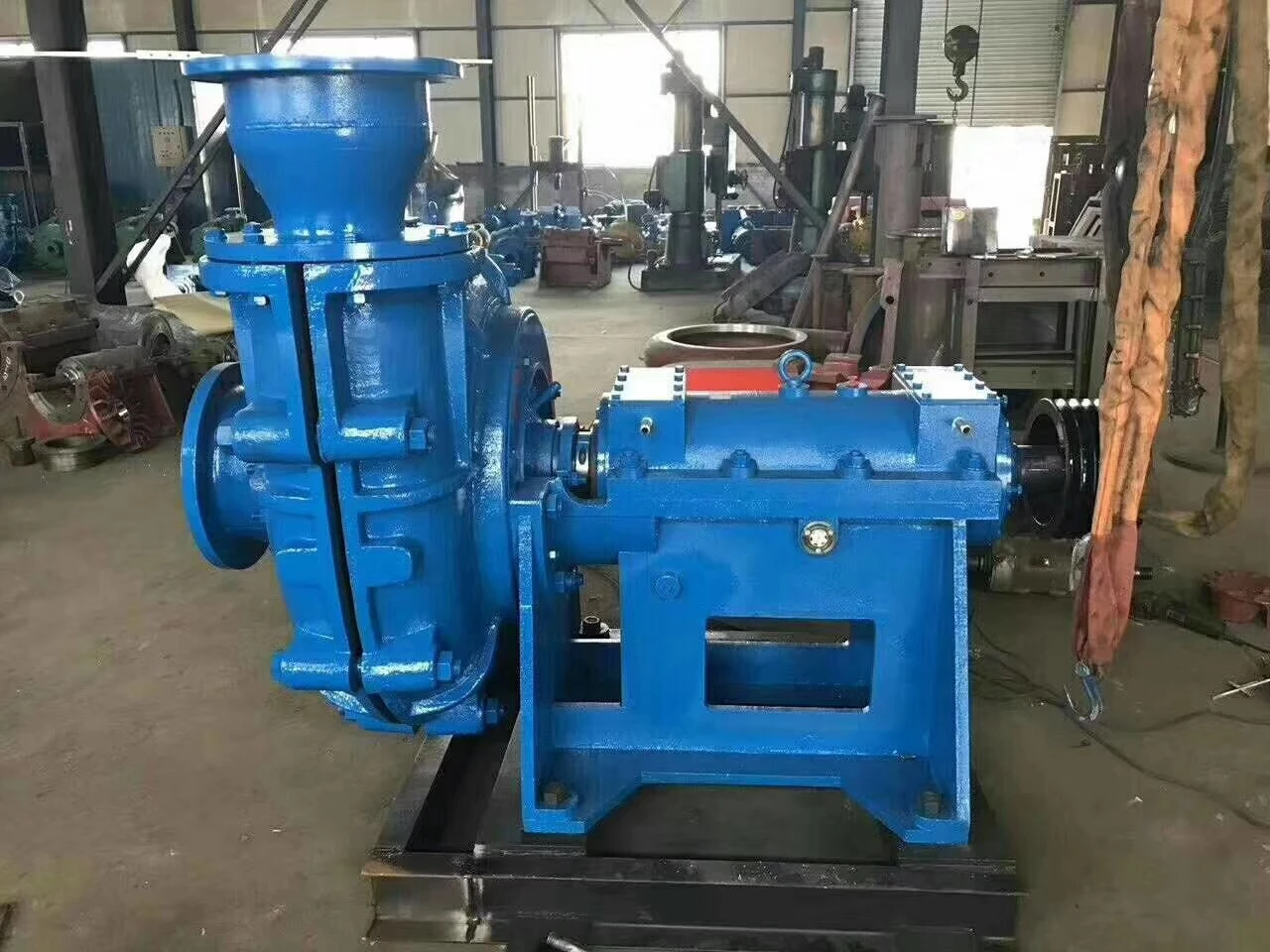
Performance & Engineering
Engineering these components requires a deep analysis of the interaction between fluid velocity and particle kinetic energy. The primary failure mechanism is abrasive wear, which is a function of the slurry's concentration, particle size distribution, and the impingement angle. When the impingement angle is low, sliding abrasion dominates; at higher angles, impact wear becomes the primary driver of material loss.
Key engineering considerations include:
Hydraulic Efficiency: The impeller geometry is optimized using Computational Fluid Dynamics (CFD) to minimize turbulence and "dead zones" where solids may accumulate, thereby reducing localized erosion (cavitation-induced erosion).
Chemical Compatibility: In acidic or alkaline environments, the synergy between corrosion and abrasion accelerates wear. For these applications, duplex stainless steels or high-nickel alloys are specified to maintain a stable passive oxide layer, preventing the "plucking" of carbides from the matrix by chemical degradation.
Force Analysis: The components must withstand significant radial and axial thrust loads. Engineering the wall thickness of the volute casing involves a balance between structural rigidity to prevent deformation and the minimization of material weight to reduce centrifugal stress on the pump shaft.
Technical Specifications
| Material Grade | Hardness (HRC) | Cr Content (%) | Wear Resistance Index | Impact Toughness (J) | Typical Application |
|---|---|---|---|---|---|
| ASTM A532 Class III | 58 - 62 | 25% - 28% | Extreme | Moderate | High-quartz tailings |
| Duplex SS 2205 | 25 - 30 | 19% - 22% | Moderate | High | Corrosive chemical slurry |
| Hardened Alloy Steel | 45 - 52 | 12% - 15% | Medium | Very High | High-impact rock slurry |
| High-Chrome Iron (Standard) | 52 - 56 | 20% - 24% | High | Moderate | General mining slurry |
| Tungsten Carbide Lined | 70+ | Variable | Ultra-High | Low (Brittle) | Extreme abrasion zones |
| Ni-Hard 4 | 50 - 55 | 18% - 21% | Medium-High | Moderate | Low-velocity abrasive |
Failure Mode & Maintenance
Failure in slurry pump metal parts is rarely the result of a single factor but rather a combination of mechanical and chemical stresses. The following failure modes are most prevalent:
1. Abrasive Erosion: Characterized by the gradual thinning of impeller vanes and volute liners. This is identified by a decrease in pump head and efficiency. Maintenance involves the replacement of sacrificial liners before the structural casing is compromised.
2. Cavitation Pitting: Occurs when local pressure drops below the vapor pressure of the liquid, forming bubbles that collapse violently. This creates "honeycomb" pitting on the metal surface, which then accelerates abrasive wear. Solution: Adjusting the Net Positive Suction Head (NPSH) and ensuring correct pump speed.
3. Fatigue Cracking: Often seen in the impeller hub due to cyclical loading and hydraulic pulsations. This can lead to catastrophic structural failure. Regular Non-Destructive Testing (NDT) using ultrasonic or dye penetrant methods is required to detect sub-surface cracks.
4. Galvanic Corrosion: When dissimilar metals are used in the pump assembly, the less noble metal corrodes rapidly. This is mitigated by using compatible alloy grades and ensuring proper electrical grounding of the pump housing.
Maintenance Protocol: A predictive maintenance schedule should be implemented, utilizing vibration analysis to detect imbalance caused by uneven wear and pressure differential monitoring to determine the precise moment for liner replacement.
Industry FAQ
Q: How do we determine whether to use high-chrome iron or duplex stainless steel for a specific project?
A: The decision is based on the ratio of abrasion to corrosion. If the slurry is primarily abrasive with neutral pH, high-chrome iron (ASTM A532) is superior due to its carbide hardness. However, if the slurry contains high concentrations of chlorides or acids, duplex stainless steel is required to prevent rapid chemical degradation, even though its absolute hardness is lower.
Q: What is the impact of incorrect heat treatment on the lifespan of the impeller?
A: Improper quenching or tempering can lead to an oversized grain structure or retained austenite. This results in "soft spots" where wear accelerates rapidly, or conversely, excessive brittleness that leads to impeller fracture under the impact of oversized solids.
Q: Can the use of VFDs (Variable Frequency Drives) extend the life of the metal parts?
A: Yes. Wear rates in slurry pumps typically increase exponentially with velocity (often proportional to the cube of the velocity). By optimizing the pump speed via VFD to the minimum required flow rate, the kinetic energy of the impacting particles is reduced, significantly extending the wear life of the metal parts.
Q: Why do we see preferential wear on the discharge side of the volute?
A: This is due to the higher velocity of the slurry as it is accelerated toward the discharge nozzle. The increased velocity increases the impact energy of the particles. This is why high-wear zones are often reinforced with thicker liners or higher-grade alloys.
Q: What are the indicators that a throat bushing needs immediate replacement?
A: The primary indicator is a noticeable drop in pump efficiency and an increase in the leakage rate of the gland seal. When the clearance between the impeller and the bushing exceeds the engineered limit, fluid recirculates back to the suction side, reducing the total head produced.
Conclusion
The engineering of china slurry pump metal parts is a sophisticated balance of metallurgical precision and hydraulic optimization. By utilizing high-chromium alloys and stringent heat treatment protocols, these components are capable of withstanding the most aggressive industrial environments. The integration of CFD analysis and advanced materials science allows for the creation of parts that not only resist wear but also maintain hydraulic efficiency over extended operational cycles.
Looking forward, the industry is moving toward "intelligent" wear monitoring and the adoption of nano-structured alloys to further push the boundaries of hardness and toughness. For procurement and engineering managers, the focus must remain on the total cost of ownership (TCO), where higher initial investment in premium metallurgical specifications results in significantly lower downtime and maintenance costs over the lifecycle of the pump.
-
Comprehensive Guide to Waterproof ORings for Optimal Sealing Solutions
News2026-06-09
-
ejector pump parts Material Science Manufacturing
News2026-06-29
-
Drain Field Pump Technology and Performance Analysis
News2026-06-29
-
commercial submersible water pump Performance Analysis
News2026-06-29
-
commercial submersible pump Performance Engineering
News2026-06-29
-
cesspool pump Performance Analysis
News2026-06-29
-
best ejector pump for basement bathroom Material Science Manufacturing
News2026-06-28
-
bathroom ejector pump system Material Science Manufacturing
News2026-06-28
-
bathroom ejector pump Performance and Engineering
News2026-06-28
-
basement toilet ejector pump Performance Analysis
News2026-06-28
-
Septic Tank Pump Technology Analysis
News2026-06-28
-
Waste Tank Pump Performance Analysis
News2026-06-27
-
Sewer System Pump Out Material Science
News2026-06-27
-
Sewer Ejector Pit Performance Analysis
News2026-06-27
-
septic tank pumps for sale Performance Engineering
News2026-06-27




