English
- Afrikaans
- Albanian
- Amharic
- Arabic
- Armenian
- Azerbaijani
- Basque
- Belarusian
- Bengali
- Bosnian
- Bulgarian
- Catalan
- Cebuano
- Corsican
- Croatian
- Czech
- Danish
- Dutch
- English
- Esperanto
- Estonian
- Finnish
- French
- Frisian
- Galician
- Georgian
- German
- Greek
- Gujarati
- Haitian Creole
- hausa
- hawaiian
- Hebrew
- Hindi
- Miao
- Hungarian
- Icelandic
- igbo
- Indonesian
- irish
- Italian
- Japanese
- Javanese
- Kannada
- kazakh
- Khmer
- Rwandese
- Korean
- Kurdish
- Kyrgyz
- Lao
- Latin
- Latvian
- Lithuanian
- Luxembourgish
- Macedonian
- Malgashi
- Malay
- Malayalam
- Maltese
- Maori
- Marathi
- Mongolian
- Myanmar
- Nepali
- Norwegian
- Norwegian
- Occitan
- Pashto
- Persian
- Polish
- Portuguese
- Punjabi
- Romanian
- Russian
- Samoan
- Scottish Gaelic
- Serbian
- Sesotho
- Shona
- Sindhi
- Sinhala
- Slovak
- Slovenian
- Somali
- Spanish
- Sundanese
- Swahili
- Swedish
- Tagalog
- Tajik
- Tamil
- Tatar
- Telugu
- Thai
- Turkish
- Turkmen
- Ukrainian
- Urdu
- Uighur
- Uzbek
- Vietnamese
- Welsh
- Bantu
- Yiddish
- Yoruba
- Zulu

Telephone: +86 13120555503
Email: frank@cypump.com


Apr . 01, 2024 17:55 Back to list
china slurry pump warman Manufacturing Specification and Performance Analysis
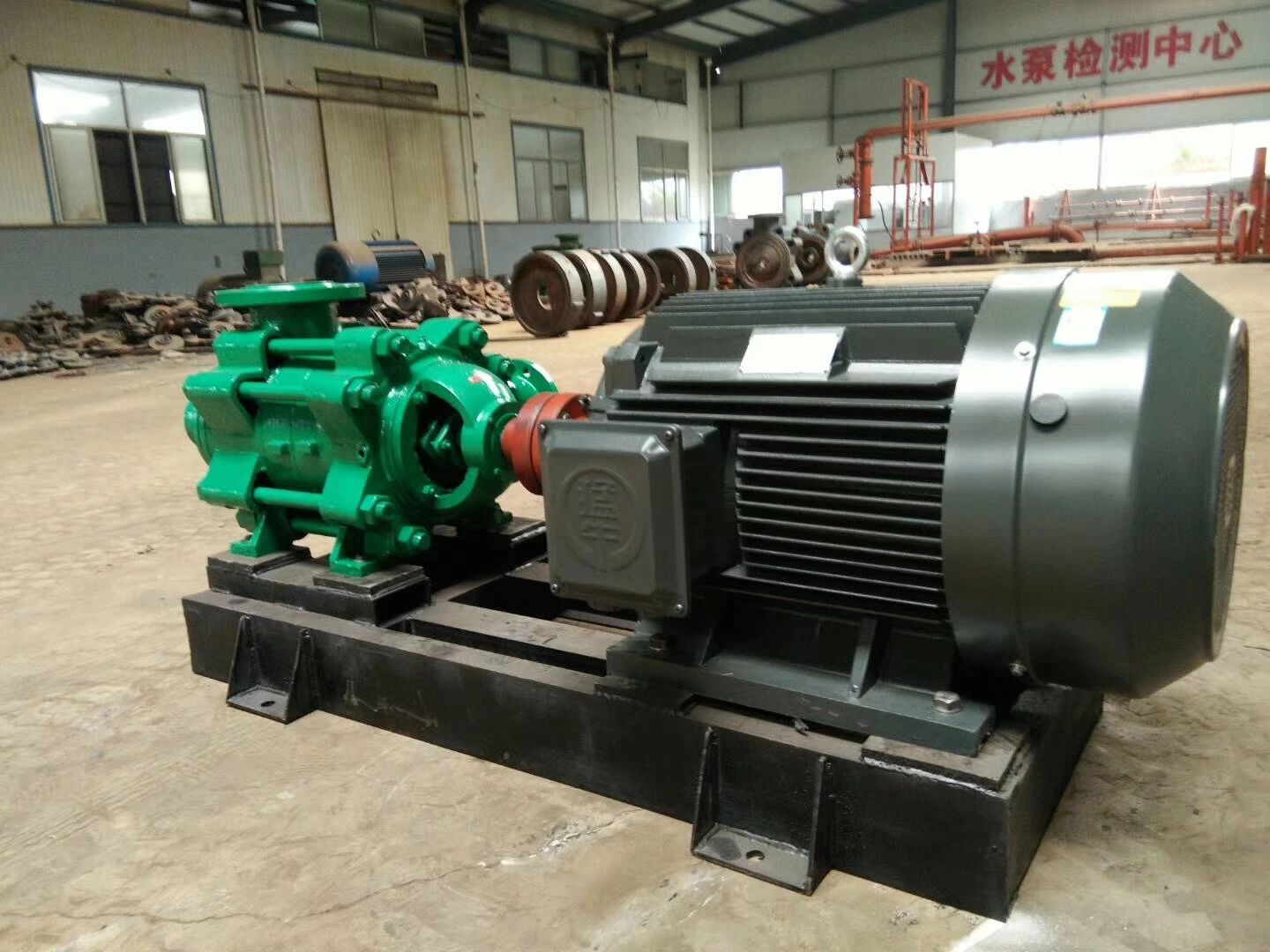
China Slurry Pump Warman Manufacturing Specification and Performance Analysis
The China slurry pump Warman represents a critical engineering component in the mineral processing, dredging, and chemical industrial chains. Defined as a heavy-duty centrifugal pump specifically engineered for the transport of abrasive slurries—mixtures of water and solid particulate matter—this equipment occupies a strategic position in the mid-stream phase of extractive metallurgy and waste management. Its core technical function is to maintain a steady volumetric flow rate while resisting the severe erosive and corrosive forces exerted by high-density tailings, ore concentrates, and acid-leach residues. The operational efficiency of these pumps is governed by the synergy between hydraulic design, impeller geometry, and advanced material science, ensuring that the Net Positive Suction Head (NPSH) is optimized to prevent cavitation in high-viscosity environments.
Material Science & Manufacturing
The longevity of a slurry pump is fundamentally dependent on its resistance to abrasive wear and chemical degradation. The manufacturing of the China slurry pump Warman utilizes a tiered material selection process based on the specific gravity and hardness of the conveyed solids. The primary focus is on High-Chromium White Irons (ASTM A532), specifically 27% Cr alloys, which provide a hard martensitic matrix embedded with primary M7C3 carbides. This microstructure is essential for resisting "micro-ploughing" and "micro-cutting" caused by quartz or pyrite particles.
Manufacturing processes involve precision casting and subsequent heat treatment. The casting of the volute (casing) and impeller is conducted under strict thermal control to minimize porosity and shrinkage. Following casting, a rigorous quenching and tempering cycle is implemented to achieve a hardness typically exceeding 60 HRC. For highly corrosive environments, such as those involving sulfuric acid in heap leaching, duplex stainless steels or specialized rubber linings (natural rubber or chlorobutyl rubber) are employed. These linings operate on the principle of elastic deformation; the rubber absorbs the kinetic energy of the impacting particles, allowing them to bounce off the surface rather than eroding the metallic substrate.
Key parameter control during assembly focuses on the tight tolerances of the impeller-to-volute clearance. Excessive clearance leads to internal recirculation and a drastic drop in hydraulic efficiency, while insufficient clearance can result in mechanical rubbing during thermal expansion. The shafting is typically manufactured from forged alloy steel, precision-ground to ensure concentricity and minimize vibration-induced fatigue.
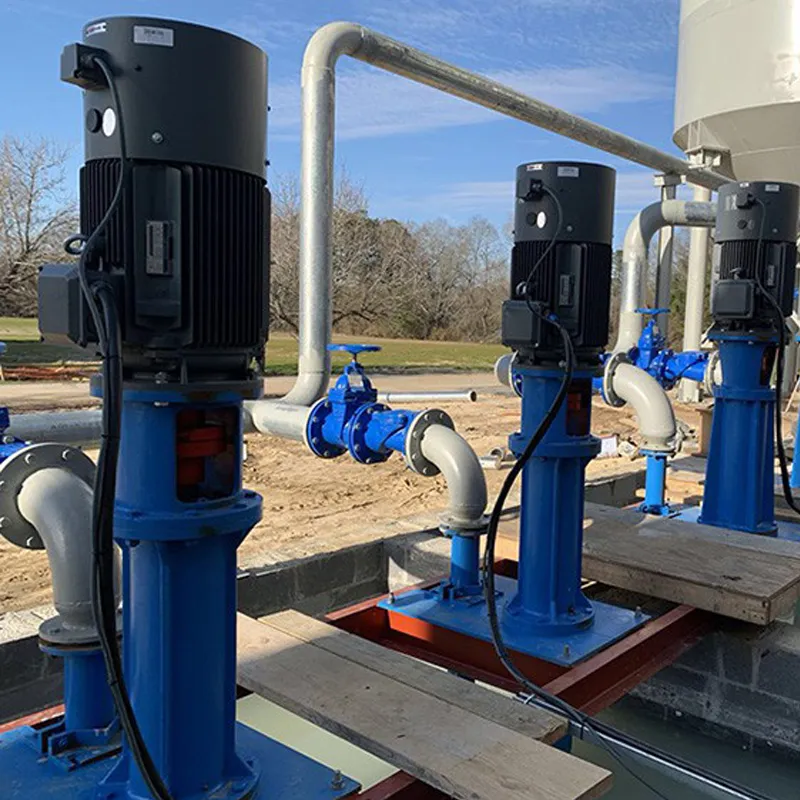
Performance & Engineering
Engineering a slurry pump requires a complex force analysis of the fluid-solid interaction. The primary engineering challenge is managing the "critical settling velocity" of the solids. If the flow velocity drops below this threshold, solids precipitate, leading to pipeline blockage and localized erosion of the pump casing. The hydraulic design of the Warman-style pump utilizes a semi-open impeller to minimize clogging while maximizing head pressure. Performance is evaluated through the pump curve, where the Total Dynamic Head (TDH) must be balanced against the slurry's specific gravity (SG), which typically ranges from 1.1 to 1.5.
Environmental resistance is integrated through the implementation of advanced sealing systems. The exponential wear at the stuffing box is mitigated using gland sealing with external water injection, which creates a pressure barrier preventing abrasive particles from entering the bearing housing. Furthermore, the engineering of the pump's structural frame focuses on vibration damping. Given the non-homogeneous nature of slurry, transient pressure pulses are common; therefore, the pump is mounted on reinforced steel bases with precision-engineered dampeners to prevent resonance that could lead to shaft misalignment or premature bearing failure.
Compliance requirements are strictly aligned with ISO 5199 and HI (Hydraulic Institute) standards, ensuring that the pump's power consumption (Brake Horsepower) is calculated accurately considering the increased viscosity and density of the slurry compared to pure water.
Technical Specifications
| Parameter Dimension | Standard Specification | High-Abrasion Grade | Corrosive Environment Grade | Testing Standard |
|---|---|---|---|---|
| Casing Material | Cast Iron / High-Chrome | ASTM A532 (27% Cr) | CD4MCu / Rubber Lined | ISO 10816 |
| Impeller Hardness | 55-60 HRC | 62-65 HRC | 45-50 HRC (Stainless) | ASTM E18 |
| Max Slurry Density | 1.3 t/m³ | 1.6 t/m³ | 1.4 t/m³ | GB/T 16586 |
| Max Particle Size | 10% of Discharge Dia. | 15% of Discharge Dia. | 10% of Discharge Dia. | HI 1.3 |
| Shaft Seal Type | Gland Packing | Expeller Seal | Mechanical Seal (SiC) | API 682 |
| Efficiency Range | 65% - 75% | 60% - 72% | 68% - 78% | ISO 9906 |
Failure Mode & Maintenance
Failure analysis in slurry pumps typically reveals three primary modes: abrasive wear, cavitation erosion, and fatigue cracking. Abrasive wear manifests as "thinning" of the volute liner and "rounding" of the impeller vanes. This occurs when the slurry velocity exceeds the design limit or when the particle size distribution shifts toward harder, coarser materials. Maintenance requires the installation of replaceable liners, allowing the main casing to remain intact while the wearing parts are swapped during scheduled shutdowns.
Cavitation occurs when the NPSH available is lower than the NPSH required, causing vapor bubbles to form and collapse violently against the impeller surface. This results in "pitting" and a significant loss of head pressure. To mitigate this, engineers must ensure the suction piping is optimized for low friction loss and the pump is positioned at an appropriate elevation relative to the sump.
Fatigue cracking and shaft deflection are often the result of imbalance caused by uneven wear on the impeller. This leads to high-frequency vibration, which degrades the bearing life and can cause seal failure. Professional maintenance involves monthly vibration analysis (using FFT analyzers) and regular checks of the lubrication oil for metallic particulates. When wear reaches a critical threshold (typically 20% of the liner thickness), immediate replacement is mandatory to prevent structural failure of the pump housing.
Industry FAQ
Q: How do we determine whether to use a high-chrome alloy or a rubber liner for the pump?
A: The selection depends on the particle size and hardness. High-chrome alloys are superior for large, sharp, and hard particles (e.g., tailings with high quartz content). Rubber liners are more effective for smaller, fine particles that act as a polishing agent, as the elastic nature of rubber resists the "scrubbing" effect more efficiently than rigid metal.
Q: What is the impact of increasing the slurry concentration on the pump's total dynamic head (TDH)?
A: As concentration increases, the apparent viscosity of the slurry rises, leading to increased friction losses in the pump and piping. This effectively reduces the TDH and increases the power requirement. A correction factor must be applied to the water-based pump curve to account for the slurry's specific gravity and viscosity.
Q: Why is the pump experiencing premature failure in the stuffing box despite regular lubrication?
A: This is likely due to inadequate seal water pressure. If the gland water pressure is not maintained at least 1-2 bars above the internal pump pressure, slurry particles will migrate into the packing, causing rapid abrasion of the shaft sleeve and subsequent leakage.
Q: How does the impeller diameter adjustment affect the operational efficiency?
A: Trimming the impeller diameter reduces the head and flow rate, allowing the pump to operate closer to its Best Efficiency Point (BEP) without throttling the discharge valve. Throttling causes energy waste and increases turbulence, which accelerates wear; thus, diameter adjustment is the preferred engineering solution for capacity matching.
Q: What are the signs of imminent bearing failure in a heavy-duty slurry pump?
A: The primary indicators are an increase in the vibration amplitude (measured in mm/s) and a rise in the bearing housing temperature. Additionally, the presence of metallic flakes in the lubricant during oil analysis indicates spalling of the raceways, necessitating immediate replacement.
Conclusion
The China slurry pump Warman is a sophisticated synthesis of hydraulic engineering and material science, designed to withstand the most aggressive industrial environments. Its technical superiority is rooted in the use of high-chromium alloys and precision-cast components that balance the conflicting requirements of hardness and toughness. By adhering to strict manufacturing tolerances and optimizing the fluid dynamics of the impeller and volute, these pumps ensure maximum operational uptime and volumetric efficiency in the transport of abrasive media.
For long-term reliability, it is imperative that operators implement a predictive maintenance strategy based on vibration analysis and liner thickness monitoring. As the industry moves toward more sustainable mining and processing practices, the evolution of these pumps will likely focus on further increasing energy efficiency and the development of nano-composite coatings to further reduce abrasive wear, thereby lowering the total cost of ownership in large-scale industrial applications.
-
Comprehensive Guide to Waterproof ORings for Optimal Sealing Solutions
News2026-06-09
-
ejector pump parts Material Science Manufacturing
News2026-06-29
-
Drain Field Pump Technology and Performance Analysis
News2026-06-29
-
commercial submersible water pump Performance Analysis
News2026-06-29
-
commercial submersible pump Performance Engineering
News2026-06-29
-
cesspool pump Performance Analysis
News2026-06-29
-
best ejector pump for basement bathroom Material Science Manufacturing
News2026-06-28
-
bathroom ejector pump system Material Science Manufacturing
News2026-06-28
-
bathroom ejector pump Performance and Engineering
News2026-06-28
-
basement toilet ejector pump Performance Analysis
News2026-06-28
-
Septic Tank Pump Technology Analysis
News2026-06-28
-
Waste Tank Pump Performance Analysis
News2026-06-27
-
Sewer System Pump Out Material Science
News2026-06-27
-
Sewer Ejector Pit Performance Analysis
News2026-06-27
-
septic tank pumps for sale Performance Engineering
News2026-06-27




