English
- Afrikaans
- Albanian
- Amharic
- Arabic
- Armenian
- Azerbaijani
- Basque
- Belarusian
- Bengali
- Bosnian
- Bulgarian
- Catalan
- Cebuano
- Corsican
- Croatian
- Czech
- Danish
- Dutch
- English
- Esperanto
- Estonian
- Finnish
- French
- Frisian
- Galician
- Georgian
- German
- Greek
- Gujarati
- Haitian Creole
- hausa
- hawaiian
- Hebrew
- Hindi
- Miao
- Hungarian
- Icelandic
- igbo
- Indonesian
- irish
- Italian
- Japanese
- Javanese
- Kannada
- kazakh
- Khmer
- Rwandese
- Korean
- Kurdish
- Kyrgyz
- Lao
- Latin
- Latvian
- Lithuanian
- Luxembourgish
- Macedonian
- Malgashi
- Malay
- Malayalam
- Maltese
- Maori
- Marathi
- Mongolian
- Myanmar
- Nepali
- Norwegian
- Norwegian
- Occitan
- Pashto
- Persian
- Polish
- Portuguese
- Punjabi
- Romanian
- Russian
- Samoan
- Scottish Gaelic
- Serbian
- Sesotho
- Shona
- Sindhi
- Sinhala
- Slovak
- Slovenian
- Somali
- Spanish
- Sundanese
- Swahili
- Swedish
- Tagalog
- Tajik
- Tamil
- Tatar
- Telugu
- Thai
- Turkish
- Turkmen
- Ukrainian
- Urdu
- Uighur
- Uzbek
- Vietnamese
- Welsh
- Bantu
- Yiddish
- Yoruba
- Zulu

Telephone: +86 13120555503
Email: frank@cypump.com


Apr . 01, 2024 17:55 Back to list
slurry pump cover plate Performance Analysis
Introduction
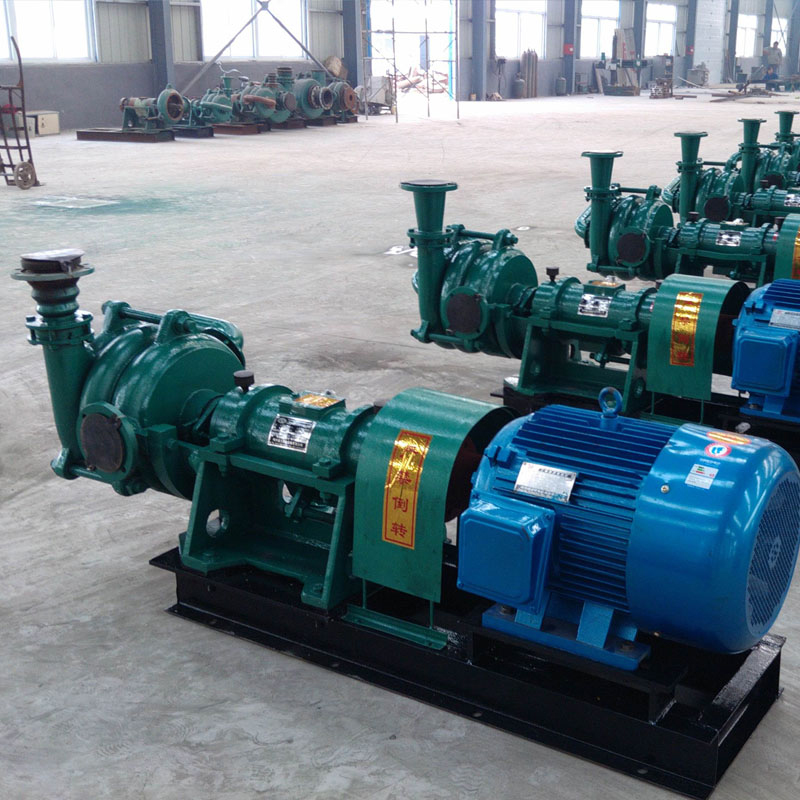
Slurry pump cover plates are critical components in the construction of slurry pumps, serving as the pressure-retaining enclosure for the impeller and volute casing. Positioned within the industry chain immediately downstream of casting and machining operations, the cover plate’s primary function is to manage the fluid dynamic forces generated during slurry transport. Core performance characteristics include resistance to abrasive wear, corrosion, and the ability to maintain dimensional stability under cyclical pressure loads. The selection of appropriate cover plate material and design directly impacts pump efficiency, service life, and overall operational costs. Common applications span diverse industries including mining, wastewater treatment, chemical processing, and dredging, each presenting unique slurry characteristics that dictate specific performance requirements. The increasing demand for higher efficiency and more durable pumps in abrasive environments drives ongoing advancements in cover plate materials and manufacturing techniques.
Material Science & Manufacturing
Cover plates are commonly manufactured from high-chrome cast iron (typically 26-28% Cr), stainless steels (304, 316, duplex stainless steel), and increasingly, specialized alloys with enhanced wear and corrosion resistance. High-chrome cast iron benefits from its excellent abrasion resistance due to the formation of hard chromium carbides, making it suitable for handling highly abrasive slurries. However, it exhibits limited corrosion resistance in acidic or chloride-rich environments. Stainless steels provide superior corrosion resistance but generally have lower abrasion resistance compared to high-chrome iron. Duplex stainless steels offer a balance of strength, corrosion resistance, and abrasion resistance. Manufacturing processes typically involve sand casting, followed by heat treatment to optimize material properties. Critical parameters during casting include mold temperature, pouring rate, and cooling rate to minimize defects such as porosity and shrinkage. Subsequent machining operations, including milling, drilling, and surface finishing, are essential to achieve the required dimensional accuracy and surface smoothness. Welding may be employed for repairs or to create composite structures. Welding procedures must be carefully controlled to prevent distortion and maintain the integrity of the material. Surface hardening techniques, such as induction hardening or shot peening, can further enhance wear resistance. Material verification through chemical analysis and metallographic examination is crucial to ensure compliance with specifications.
Performance & Engineering
The performance of a slurry pump cover plate is heavily influenced by hydraulic forces and abrasive wear. Force analysis must consider the internal pressure generated by the slurry, the reaction forces from the impeller, and the external loads from the pump casing. Finite element analysis (FEA) is frequently employed to model stress distribution and predict potential failure locations. The cover plate must be designed to withstand these stresses without exceeding the material’s yield strength or experiencing fatigue failure. Environmental resistance is paramount, particularly in corrosive slurry applications. Electrochemical corrosion mechanisms, such as pitting and galvanic corrosion, must be considered, and appropriate material selection and coatings (e.g., rubber lining, ceramic coatings) are crucial. Compliance requirements vary depending on the industry and application. For example, pumps used in the food and beverage industry must comply with FDA regulations regarding material compatibility and hygienic design. Pumps used in hazardous environments must meet ATEX or IECEx standards for explosion protection. Proper gasket selection and sealing design are critical to prevent leakage and maintain pump efficiency. The cover plate’s geometry directly impacts hydraulic performance, influencing flow patterns and minimizing turbulence. Optimizing the volute shape and impeller-casing clearance can improve pump efficiency and reduce wear rates. Consideration should be given to thermal expansion and contraction of the materials during operation to prevent stress concentration.
Technical Specifications
| Material Grade | Tensile Strength (MPa) | Hardness (BHN) | Corrosion Resistance (ASTM B117, hours to 5% wt loss) |
|---|---|---|---|
| High Chrome Cast Iron (26Cr) | 400-600 | 550-650 | <50 (in neutral NaCl solution) |
| 304 Stainless Steel | 517-724 | 180-210 | >1000 (in neutral NaCl solution) |
| 316 Stainless Steel | 586-790 | 190-220 | >1500 (in neutral NaCl solution) |
| Duplex Stainless Steel (2205) | 700-930 | 280-320 | >2000 (in neutral NaCl solution) |
| Nickel-Hard Facing Alloy | 650-850 | 580-680 | >500 (in diluted sulfuric acid) |
| Ceramic Lining (Alumina) | N/A (Compressive Strength) | 1500-2000 (HV) | Excellent (highly resistant to most acids and alkalis) |
Failure Mode & Maintenance
Slurry pump cover plates are susceptible to several failure modes. Abrasive wear is the most common, leading to material loss and dimensional changes, particularly in high-solids-content slurries. Erosion occurs due to the impact of solid particles, causing localized material removal. Fatigue cracking can initiate at stress concentrators, such as weld joints or bolt holes, due to cyclical pressure loads. Corrosion can weaken the material and accelerate wear rates. Galvanic corrosion may occur when dissimilar metals are in contact in a corrosive environment. Cavitation, caused by the formation and collapse of vapor bubbles, can erode the cover plate surface. Failure analysis typically involves visual inspection, non-destructive testing (NDT) methods such as liquid penetrant testing and ultrasonic testing, and metallographic examination to identify the root cause of failure. Preventative maintenance includes regular inspection for wear and corrosion, replacement of worn or damaged components, and proper lubrication of bearings and seals. Coatings, such as rubber linings or ceramic coatings, can extend the service life of the cover plate. Implementing a robust slurry management system, including proper slurry composition control and flow rate optimization, can minimize abrasive wear and erosion. Periodic stress relieving heat treatments can mitigate fatigue cracking. Regular torque checks on bolts are also vital to maintain structural integrity.
Industry FAQ
Q: What material is best suited for a slurry pump cover plate handling highly abrasive silica slurries?
A: For highly abrasive silica slurries, high-chrome cast iron (26-28% Cr) is generally the most cost-effective option due to its excellent abrasion resistance. While it lacks the corrosion resistance of stainless steel, its superior hardness makes it more resistant to particle impact and wear. However, if the slurry also contains corrosive components, a duplex stainless steel or a high-chrome iron with a protective coating should be considered.
Q: How do you mitigate corrosion issues in a slurry pump cover plate operating in a saltwater environment?
A: In saltwater environments, corrosion is a significant concern. Using a corrosion-resistant material such as 316 stainless steel or duplex stainless steel is the first step. Additionally, applying a protective coating like epoxy or rubber lining can provide an additional barrier against corrosion. Cathodic protection may also be considered in severe cases. Regular inspection and maintenance are critical to identify and address any signs of corrosion before they lead to failure.
Q: What is the typical service life of a slurry pump cover plate, and what factors influence it?
A: The service life of a slurry pump cover plate varies significantly depending on the slurry characteristics, operating conditions, and material selection. Typically, a high-chrome iron cover plate can last 6-18 months in a moderately abrasive slurry, while a stainless steel cover plate may last 1-3 years in a less abrasive, corrosive environment. Factors influencing service life include slurry solids concentration, particle size distribution, slurry velocity, temperature, pH, and the presence of corrosive agents.
Q: What non-destructive testing (NDT) methods are commonly used to assess the condition of a slurry pump cover plate?
A: Common NDT methods include visual inspection for cracks and wear, liquid penetrant testing to detect surface cracks, magnetic particle inspection to detect near-surface cracks in ferromagnetic materials, and ultrasonic testing to detect internal flaws and measure material thickness. Radiographic testing may also be used for critical applications.
Q: What considerations should be made when replacing a slurry pump cover plate to ensure proper fit and function?
A: When replacing a cover plate, ensure the new plate matches the original specifications in terms of material, dimensions, and surface finish. Carefully inspect the mating surfaces for damage and ensure they are clean and free of debris. Properly torque all bolts to the manufacturer’s specifications. Verify the gasket is correctly installed and provides a leak-tight seal. A misalignment can lead to premature wear and failure, so precision is key.
Conclusion
The slurry pump cover plate is an integral component dictating the performance and longevity of slurry handling systems. Selecting the correct material, employing appropriate manufacturing processes, and understanding potential failure modes are critical to ensuring reliable operation and minimizing lifecycle costs. Advancements in materials science and coating technologies are continually improving the durability and efficiency of cover plates, enabling them to withstand increasingly challenging slurry applications.
Future trends will likely focus on the development of more wear-resistant and corrosion-resistant alloys, as well as the implementation of predictive maintenance strategies based on real-time monitoring of cover plate condition. Optimizing cover plate design through computational fluid dynamics (CFD) simulations and FEA will further enhance hydraulic performance and reduce stress concentrations. Continued collaboration between pump manufacturers, material scientists, and end-users is essential to address the evolving demands of the slurry pumping industry.
-
Comprehensive Guide to Waterproof ORings for Optimal Sealing Solutions
News2026-06-09
-
best ejector pump for basement bathroom Material Science Manufacturing
News2026-06-28
-
bathroom ejector pump system Material Science Manufacturing
News2026-06-28
-
bathroom ejector pump Performance and Engineering
News2026-06-28
-
basement toilet ejector pump Performance Analysis
News2026-06-28
-
Septic Tank Pump Technology Analysis
News2026-06-28
-
Waste Tank Pump Performance Analysis
News2026-06-27
-
Sewer System Pump Out Material Science
News2026-06-27
-
Sewer Ejector Pit Performance Analysis
News2026-06-27
-
septic tank pumps for sale Performance Engineering
News2026-06-27
-
septic system with lift pump Performance Engineering
News2026-06-27
-
septic system sump pump Performance Analysis
News2026-06-26
-
septic pump company Performance Analysis
News2026-06-26
-
pumps water treatment Performance Analysis
News2026-06-26
-
pumps for septic tanks Material Science and Manufacturing
News2026-06-26




