
Apr . 01, 2024 17:55 Back to list
china rubber lpg hose suppliers Performance Analysis
Introduction
Liquefied Petroleum Gas (LPG) hoses manufactured by suppliers in China are critical components in the safe and efficient transfer of LPG for a multitude of applications, including residential heating, cooking, industrial processes, and automotive fuel systems. These hoses represent a specialized subset of flexible composite products, requiring adherence to stringent safety standards and performance characteristics due to the inherent hazards associated with LPG. This guide provides an in-depth technical analysis of these hoses, encompassing material science, manufacturing processes, performance metrics, failure modes, and relevant international regulations. A significant pain point in the industry lies in ensuring consistent quality control across diverse manufacturing facilities and verifying adherence to regional safety standards, particularly given the global nature of LPG distribution. The demand for cost-effective solutions often clashes with the necessity for robust, reliable hoses capable of withstanding prolonged exposure to LPG, varying temperatures, and potential mechanical stresses. The industry continuously seeks advancements in material formulations and manufacturing techniques to enhance durability, reduce permeation rates, and mitigate the risk of leaks.
Material Science & Manufacturing
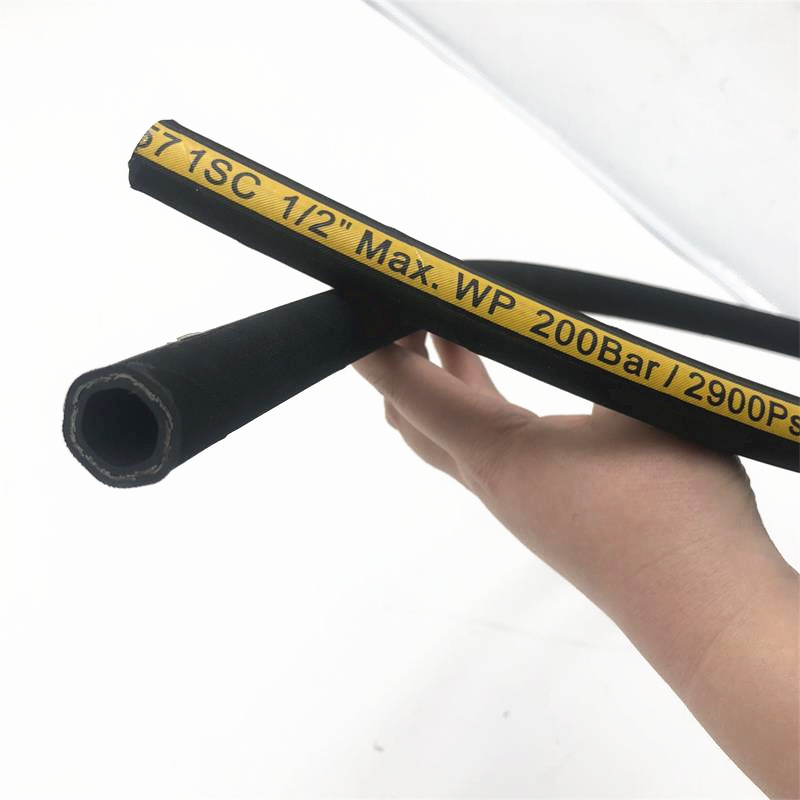
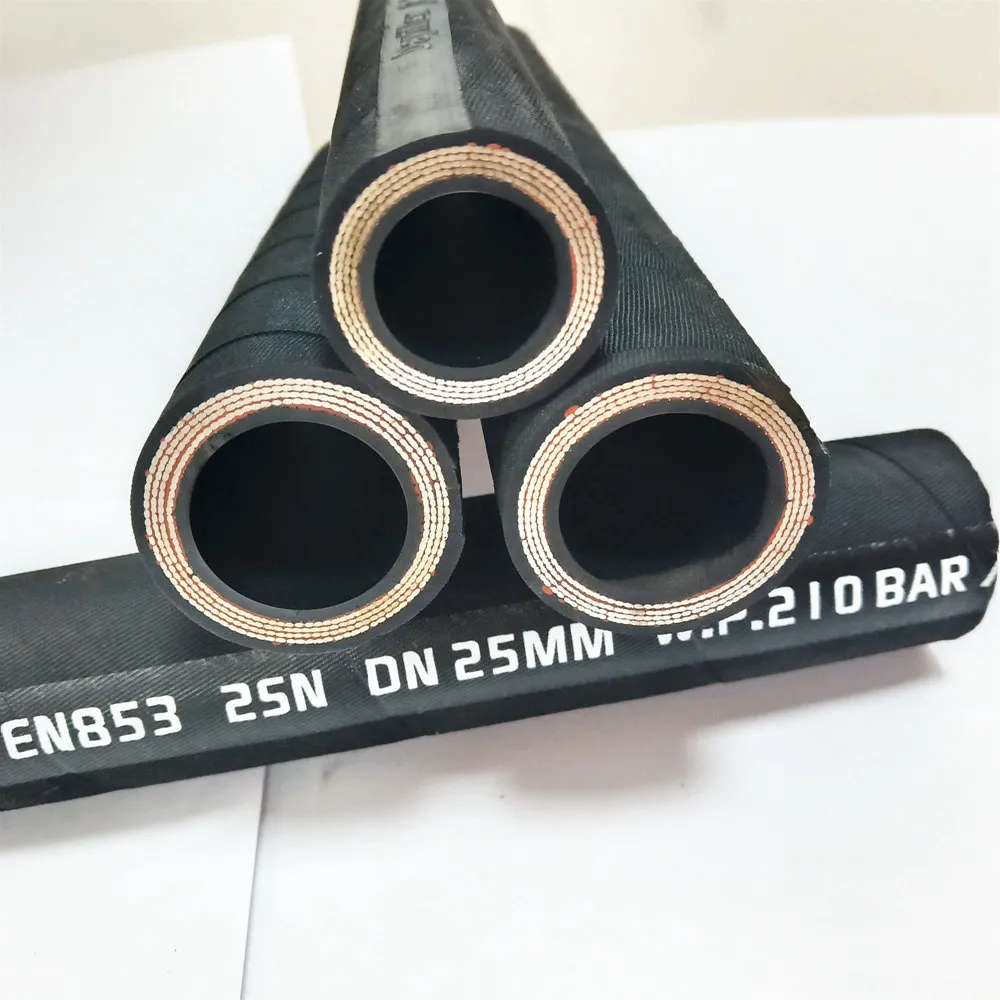
LPG hoses are typically constructed from a multi-layered composite structure. The inner tube, in direct contact with LPG, is commonly manufactured from a specialized blend of Nitrile Rubber (NBR), offering excellent resistance to LPG’s chemical constituents and preventing degradation. NBR’s acrylonitrile content is a crucial parameter, impacting its LPG permeability and resistance to swelling. Higher acrylonitrile content generally improves resistance but can decrease low-temperature flexibility. The reinforcement layer, providing burst strength and structural integrity, usually consists of high-tensile textile braiding – typically polyester or Aramid fibers. The number of braids and yarn denier directly correlate with the hose’s working pressure rating. An intermediate layer, often comprised of a polymer compound (e.g., Chloroprene rubber – CR), acts as a bonding agent between the inner tube and reinforcement. The outer cover, providing environmental protection and abrasion resistance, is frequently made from Chloroprene Rubber (CR) or Ethylene Propylene Diene Monomer (EPDM) rubber, selected for their ozone, weathering, and UV resistance. Manufacturing involves extrusion of the inner tube and outer cover, followed by precise wrapping of the reinforcement layer. Critical parameters during extrusion include temperature control, screw speed, and die geometry to ensure uniform wall thickness and material homogeneity. The braiding process requires careful tension control to avoid distortion and maintain consistent reinforcement density. Post-production testing, including hydrostatic pressure testing and leak detection, is paramount for quality assurance. Permeation testing is crucial to demonstrate compliance with LPG permeation limits defined by relevant standards.
Performance & Engineering
The performance of an LPG hose is dictated by several key engineering parameters. Burst pressure, defined as the pressure at which the hose fails catastrophically, is a primary safety metric and is directly proportional to the reinforcement layer’s strength and construction. Working pressure, significantly lower than burst pressure, represents the maximum permissible operating pressure, incorporating a substantial safety factor (typically 4:1). Tensile strength, measuring the force required to elongate the hose, indicates its ability to withstand mechanical stress during handling and operation. Elongation at break characterizes the hose’s ductility. Crucially, LPG permeation rate – the rate at which LPG molecules diffuse through the hose wall – must be minimized to prevent leaks and maintain LPG purity. This is heavily influenced by the inner tube’s material composition and thickness. Furthermore, the hose must exhibit resistance to kinking and crushing, ensuring continuous flow even under mechanical deformation. Temperature resistance is critical, as LPG systems operate across a range of temperatures. The hose’s materials must maintain their flexibility and integrity within the specified operating temperature range (-40°C to +60°C is common). Environmental resistance to ozone, UV radiation, and oil exposure is essential for prolonged outdoor use. Force analysis, incorporating considerations of internal pressure, external loads, and bending moments, is crucial for determining the hose’s suitability for specific applications and ensuring long-term structural integrity. Compliance with standards like EN 1763-1 for LPG hoses in Europe, or similar national regulations, is non-negotiable.
Technical Specifications
| Parameter | Unit | Typical Value (China Supplier - Standard Grade) | Typical Value (China Supplier - Premium Grade) |
|---|---|---|---|
| Working Pressure | MPa | 1.6 | 2.0 |
| Burst Pressure | MPa | 6.4 | 8.0 |
| Inner Tube Material | - | NBR (Acrylonitrile Content: 36%) | NBR (Acrylonitrile Content: 40%) |
| Reinforcement | - | Polyester Braid (2 layers) | Aramid Braid (3 layers) |
| Outer Cover Material | - | CR (Chloroprene Rubber) | EPDM (Ethylene Propylene Diene Monomer) |
| LPG Permeation Rate | g/m²/day | < 2.0 | < 1.0 |
Failure Mode & Maintenance
Common failure modes in LPG hoses include permeation leading to leakage, burst failure due to overpressure or material fatigue, cracking due to ozone or UV exposure, and kinking causing flow restriction. Permeation failure is often gradual, manifesting as a slow leak, while burst failure is typically sudden and catastrophic. Fatigue cracking can occur in the reinforcement layer due to repeated bending or flexing. Ozone cracking, characterized by surface fissures, is prevalent in outer covers exposed to atmospheric ozone. Maintenance is crucial for ensuring safe operation. Regular visual inspections should be conducted to identify any signs of cracking, abrasion, or deformation. Hydrostatic pressure testing, performed periodically, can verify the hose’s structural integrity. If a leak is detected, the hose should be immediately removed from service. Proper storage is also essential; hoses should be stored in a cool, dry, and dark environment, away from direct sunlight and ozone sources. Avoid sharp bends or kinks during storage. Replacement should be undertaken at defined intervals (typically 5 years, or sooner if signs of degradation are present) or after any incident that may have compromised the hose’s integrity. A thorough failure analysis, employing techniques like microscopic examination and material testing, can help identify the root cause of failures and prevent recurrence.
Industry FAQ
Q: What is the significance of acrylonitrile content in the NBR inner tube?
A: Acrylonitrile content directly impacts the hose's resistance to LPG permeation and swelling. Higher acrylonitrile levels generally improve resistance but can reduce flexibility at low temperatures. Balancing these properties is critical for optimal performance.
Q: How does the reinforcement material affect the hose’s working pressure?
A: The reinforcement material’s tensile strength and construction (number of braids, yarn denier) directly dictate the hose's ability to withstand internal pressure. Aramid braids offer superior strength compared to polyester, enabling higher working pressure ratings.
Q: What are the implications of exceeding the specified working pressure?
A: Exceeding the working pressure significantly increases the risk of catastrophic failure (bursting), potentially leading to a dangerous LPG release and fire hazard. Always operate within the specified pressure limits.
Q: How can I identify signs of ozone cracking in the outer cover?
A: Ozone cracking manifests as small, superficial fissures or cracks on the surface of the outer cover. These cracks typically initiate near areas of high stress concentration, such as bends or fittings. Regular visual inspection is crucial for early detection.
Q: What is the recommended interval for hydrostatic testing?
A: The recommended interval for hydrostatic testing varies depending on the application and regulatory requirements, but generally, it’s advised every 1-2 years for critical applications and at least every 5 years for standard use. Consult relevant standards and industry best practices.
Conclusion
China-supplied rubber LPG hoses are indispensable components in LPG delivery systems, demanding a comprehensive understanding of material science, manufacturing nuances, and performance characteristics. Ensuring consistent quality control, adherence to stringent safety standards (EN 1763-1, etc.), and appropriate maintenance practices are paramount to mitigate potential risks associated with LPG handling. The continuous evolution of materials – particularly in NBR formulations and reinforcement fibers – is driving advancements in hose durability, permeation resistance, and overall safety.
Future trends will likely focus on developing ‘smart’ hoses incorporating sensors for real-time pressure monitoring and leak detection, further enhancing operational safety and reliability. The increasing emphasis on environmental sustainability will also drive the adoption of eco-friendly materials and manufacturing processes. Effective communication between suppliers, distributors, and end-users is critical for establishing a robust quality assurance system and promoting safe LPG handling practices throughout the supply chain.