
Apr . 01, 2024 17:55 Back to list
oem parker hydraulic hose fittings manufacturer Performance Analysis
Introduction
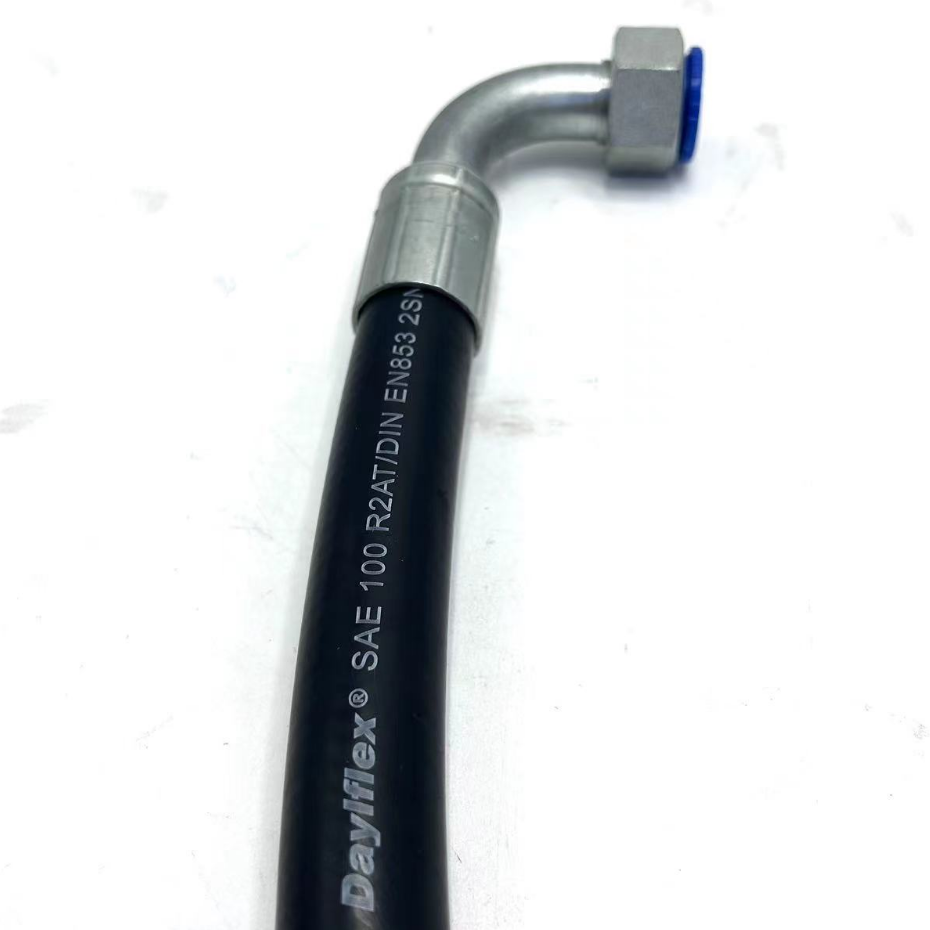
OEM Parker hydraulic hose fittings represent a critical component in fluid power systems across a diverse range of industries, including construction, agriculture, mining, oil & gas, and manufacturing. These fittings facilitate the secure and leak-free connection of hydraulic hoses to equipment, enabling the transmission of hydraulic fluid necessary for powering machinery. The technical positioning of these fittings within the supply chain places them as highly engineered, precision-manufactured elements requiring stringent quality control and adherence to industry standards. Core performance characteristics include pressure rating, burst pressure, temperature resistance, fluid compatibility, and thread integrity. A key industry pain point is ensuring consistent dimensional accuracy and material quality across large-volume OEM contracts to avoid system failures and costly downtime. This guide provides a comprehensive technical overview of OEM Parker hydraulic hose fittings, covering material science, manufacturing processes, performance parameters, failure modes, and relevant industry standards.
Material Science & Manufacturing
The production of OEM Parker hydraulic hose fittings necessitates a careful selection of materials and precise manufacturing processes. Common materials include carbon steel (ASTM A519, typically 4140 or equivalent), stainless steel (304, 316, often meeting ASTM A276), and brass (various alloys conforming to ASTM B16). Carbon steel is frequently used for its high strength and cost-effectiveness, but requires protective coatings to prevent corrosion. Stainless steel provides superior corrosion resistance, crucial for applications in harsh environments. Brass fittings are employed in lower-pressure systems and offer good machinability.
Manufacturing processes typically involve cold forging, hot forging, or CNC machining. Cold forging strengthens the material through work hardening and allows for high-volume production with excellent dimensional control. Hot forging is used for larger, more complex fitting geometries. CNC machining is employed for precision features and specialized designs. Following forming, critical processes include thread rolling (API STD 5B or ISO 1192-2 standards are frequently referenced for thread specifications), heat treatment (to achieve desired hardness and tensile strength – Rockwell C hardness often specified), surface treatment (zinc plating, nickel plating, or passivation for corrosion protection – adhering to ASTM B633 or ASTM B875), and rigorous quality inspection utilizing Coordinate Measuring Machines (CMMs) to verify dimensional accuracy (ANSI/ASME B4.1). Key parameter control includes maintaining consistent material composition, precise forging/machining tolerances, accurate heat treatment cycles, and effective surface coating adhesion.

Performance & Engineering
Performance of hydraulic hose fittings is dictated by several key engineering considerations. Force analysis focuses on the tensile and shear stresses acting on the fitting during operation, particularly at the thread interface and the hose connection point. Finite Element Analysis (FEA) is often utilized to optimize fitting geometry and minimize stress concentrations. Environmental resistance involves assessing the fitting's ability to withstand exposure to hydraulic fluids (mineral oil, synthetic fluids, phosphate ester fluids – SAE J2044 specifies fluid compatibility requirements), temperature extremes (-40°C to +120°C typical ranges, but varies with material and fluid), and corrosive substances. Compliance requirements are driven by industry-specific regulations, such as those established by the National Fluid Power Association (NFPA) and the European Machinery Directive (2006/42/EC). Functional implementation requires careful consideration of hose selection (based on pressure, temperature, and fluid compatibility) and proper installation techniques (torque specifications – ISO 897-1, proper thread sealant application). Fatigue life is a critical parameter, particularly in applications involving cyclical loading. Corrosion resistance is vital to prevent leakage and maintain system integrity. The correct selection of fitting material and surface treatment based on the operating environment is crucial for long-term reliability.
Technical Specifications
| Parameter | Steel Fitting (Carbon) | Stainless Steel Fitting (316) | Brass Fitting | Units |
|---|---|---|---|---|
| Working Pressure | 5000 | 6000 | 3000 | PSI |
| Burst Pressure | 15000 | 18000 | 9000 | PSI |
| Temperature Range | -40 to +100 | -40 to +150 | -20 to +80 | °C |
| Tensile Strength | 650 | 800 | 400 | MPa |
| Yield Strength | 350 | 500 | 220 | MPa |
| Material Hardness | HRC 30-35 | HRC 30-35 | HB 80-90 |
Failure Mode & Maintenance
Failure modes in OEM Parker hydraulic hose fittings are diverse and often interconnected. Fatigue cracking, particularly at the thread root, is a common failure mechanism due to cyclical loading. Creep rupture can occur at elevated temperatures and sustained pressures. Corrosion, both internal and external, can lead to pitting, erosion, and eventual leakage. Galvanic corrosion can occur when dissimilar metals are in contact in the presence of an electrolyte. Improper installation, such as over-torquing or under-torquing, can damage the threads and compromise the seal. Abrasion from external sources can degrade surface coatings and expose the base material to corrosion. Delamination of plating can accelerate corrosion processes. Oxidation can occur in fittings exposed to high temperatures and oxygen.
Preventative maintenance is crucial for extending fitting life and preventing catastrophic failures. Regular visual inspections should be conducted to identify signs of corrosion, cracking, or damage. Torque checks should be performed periodically to ensure proper tightening. Lubrication of threads can prevent galling and facilitate disassembly. Fluid analysis can detect contaminants that may accelerate corrosion or erosion. Replacement of fittings at recommended intervals or upon detection of damage is essential. Proper storage practices (protecting fittings from moisture and contamination) can also prolong their service life. A detailed failure analysis should be conducted whenever a fitting fails to determine the root cause and implement corrective actions.
Industry FAQ
Q: What is the impact of thread sealant type on the performance and longevity of a hydraulic fitting?
A: The selection of thread sealant is critical. Teflon tape (PTFE) is commonly used, but it can shred and contaminate the hydraulic system. Liquid thread sealants, specifically those designed for hydraulic applications, provide a more reliable seal and prevent contamination. The sealant must be chemically compatible with the hydraulic fluid and the fitting material. Over-application can restrict flow, while under-application can lead to leaks. Always follow the sealant manufacturer's recommendations regarding application procedures and torque specifications.
Q: How does material selection affect the corrosion resistance of hydraulic fittings in saltwater environments?
A: Carbon steel fittings are highly susceptible to corrosion in saltwater environments and require robust protective coatings, such as hot-dip galvanizing or epoxy coatings. Stainless steel (316) offers significantly superior corrosion resistance due to its higher molybdenum content. However, even stainless steel can experience pitting corrosion in prolonged exposure to saltwater. Regular inspection and maintenance are essential in these environments. Selecting a fitting material specifically designed for marine applications is highly recommended.
Q: What are the key considerations for selecting fittings for high-pressure hydraulic systems exceeding 5000 PSI?
A: Fittings for high-pressure systems require higher strength materials, precise machining tolerances, and robust thread designs. Consider using fittings with tapered threads (NPTF) which provide a tighter seal than straight threads (NPT). Proper torque control is paramount to ensure adequate sealing without damaging the threads. Utilize fittings specifically rated for the system's maximum operating pressure with a suitable safety factor. Regularly inspect fittings for signs of deformation or damage.
Q: What is the role of heat treatment in enhancing the performance of carbon steel hydraulic fittings?
A: Heat treatment, specifically quenching and tempering, significantly enhances the mechanical properties of carbon steel fittings. Quenching hardens the steel, while tempering increases its toughness and ductility, reducing the risk of brittle fracture. Proper heat treatment ensures that the fitting can withstand the stresses imposed by high pressure and cyclical loading. Hardness testing (Rockwell C scale) is used to verify the effectiveness of the heat treatment process.
Q: What quality control procedures are essential for ensuring the consistency of OEM Parker hydraulic hose fitting production?
A: Essential quality control procedures include incoming material inspection (verification of material certifications and chemical composition), dimensional inspection (using CMMs to verify critical dimensions and tolerances), thread inspection (visual and gaging to ensure thread form and pitch accuracy), pressure testing (hydrostatic testing to verify pressure rating and leak tightness), and surface finish inspection (to assess the integrity of protective coatings). Statistical Process Control (SPC) should be implemented to monitor critical process parameters and identify potential deviations.
Conclusion
OEM Parker hydraulic hose fittings are complex engineered components crucial for the safe and reliable operation of fluid power systems. The selection of appropriate materials, precision manufacturing processes, and stringent quality control are paramount to ensure consistent performance and longevity. Understanding the potential failure modes and implementing preventative maintenance procedures are essential for minimizing downtime and maximizing system efficiency.
Moving forward, advancements in materials science, such as the development of higher-strength alloys and more durable coatings, will continue to improve fitting performance. Increasing emphasis on predictive maintenance and condition monitoring, utilizing sensors and data analytics, will enable proactive identification of potential failures and optimize maintenance schedules. Adherence to evolving industry standards and regulations will be vital for ensuring the continued safety and reliability of hydraulic systems.