
Apr . 01, 2024 17:55 Back to list
oem rubber lpg hose supplier Performance Analysis
Introduction
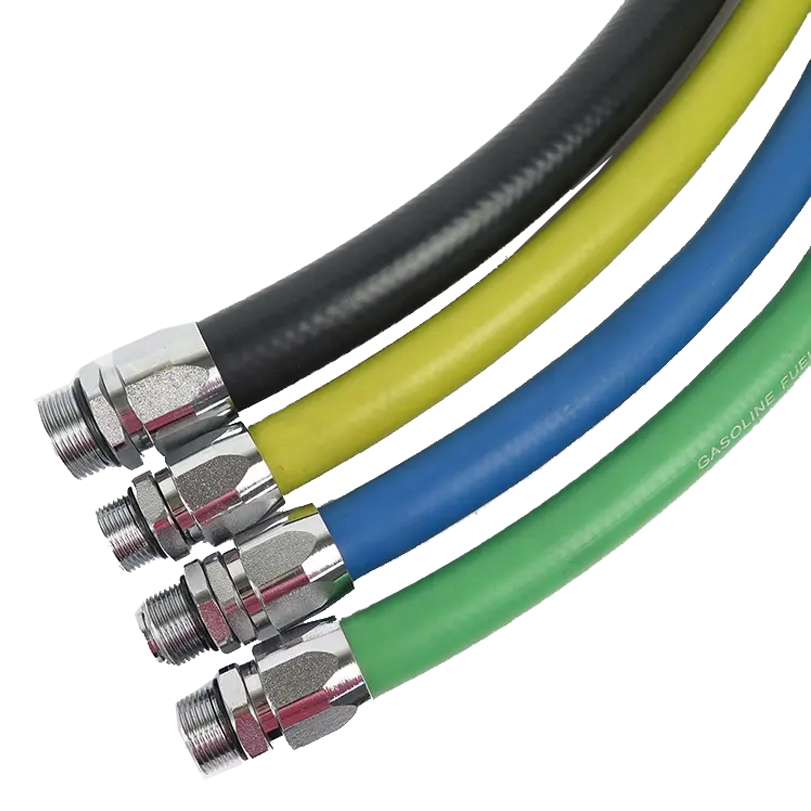
Liquefied Petroleum Gas (LPG) hoses, supplied by OEM manufacturers, are critical components in the safe and efficient transfer of LPG for heating, cooking, and industrial applications. These hoses represent a specialized subset of flexible fluid transfer systems, distinguished by stringent safety requirements due to the flammable nature of the conveyed medium. The technical position of an LPG hose lies within the broader industrial hose market, requiring adherence to rigorous international standards related to pressure resistance, flame retardancy, and material compatibility. Core performance characteristics center around leak-proof operation under specified pressure and temperature conditions, resistance to degradation from LPG exposure, and longevity under cyclic stress. OEM supply emphasizes customization based on application-specific requirements, including length, fitting types, and pressure ratings. A key industry pain point is maintaining consistent material quality and manufacturing precision to mitigate the risk of catastrophic failure, leading to potential fire hazards and regulatory penalties. This guide provides a comprehensive technical overview of LPG hoses, focusing on material science, manufacturing, performance, failure modes, and industry standards.
Material Science & Manufacturing
The construction of an LPG hose typically involves several layers, each contributing to its overall performance and safety. The inner tube, in direct contact with LPG, is commonly manufactured from nitrile rubber (NBR) or a specialized fluoroelastomer (FKM) blend, chosen for their excellent resistance to LPG permeation and swelling. NBR offers a cost-effective solution for general-purpose applications, while FKM provides superior chemical resistance and temperature stability for demanding environments. Reinforcement layers are crucial for withstanding internal pressure. These layers often consist of high-tensile strength textile braids (typically polyester or nylon) or spirally wound steel wire. The number and configuration of reinforcement layers dictate the hose's pressure rating. An intermediate cover layer, often employing a synthetic rubber compound like SBR (styrene-butadiene rubber), provides additional protection and bonding for the outer cover. The outer cover is usually made of chloroprene rubber (CR), known for its excellent resistance to weathering, ozone, and abrasion. Manufacturing processes begin with compounding the rubber materials, meticulously controlling ingredient ratios to achieve desired physical and chemical properties. The inner tube is extruded, followed by the application of reinforcement layers through braiding or winding machines. Precise tension control during braiding is paramount to ensure uniform pressure distribution. Subsequent vulcanization (curing) is a critical step, employing heat and pressure to crosslink the rubber polymers, enhancing strength, elasticity, and chemical resistance. Quality control involves hydrostatic testing to verify pressure integrity and dimensional inspection to ensure adherence to specifications. Parameter control includes monitoring rubber compound viscosity, extrusion temperature, braid tension, and curing time & temperature.
Performance & Engineering
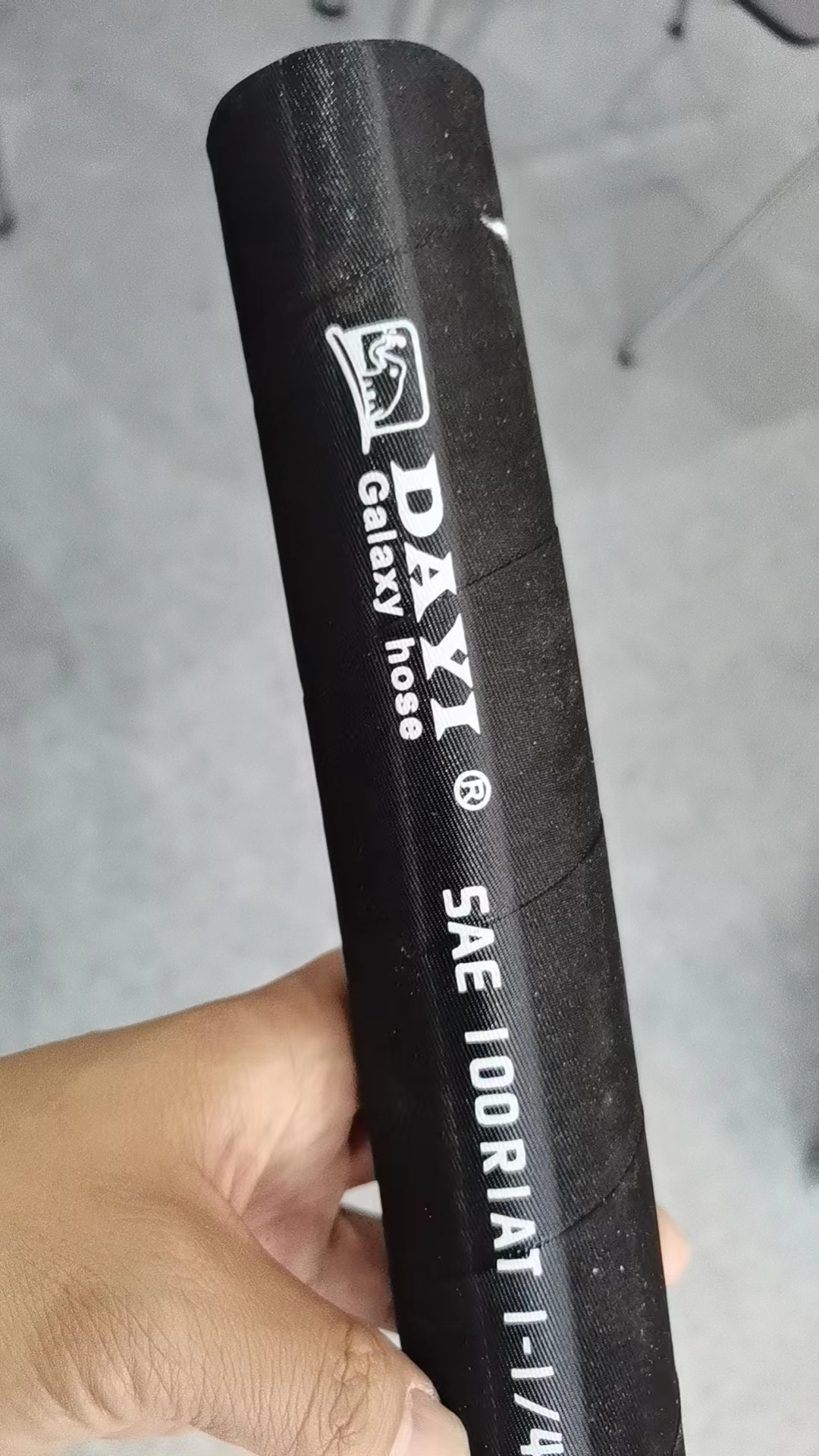
LPG hose performance is governed by a complex interplay of mechanical and chemical factors. Force analysis involves assessing the tensile strength of the reinforcement layers to withstand internal pressure and external stresses. Burst pressure, a critical safety parameter, is determined by the reinforcement's ability to contain the LPG during a catastrophic failure scenario. Fatigue resistance, especially under cyclic pressure fluctuations, is vital for long-term reliability. Environmental resistance encompasses the hose's ability to withstand temperature extremes, UV exposure, and contact with oils and other chemicals. Compliance requirements are dictated by international standards (detailed in the footer), which specify minimum performance criteria for pressure resistance, flame retardancy, and leakage. Functional implementation considerations include the compatibility of hose fittings with the LPG system and the ease of installation and maintenance. The hose's flexibility affects its ability to route within confined spaces without kinking or creating excessive stress. Permeation rate of LPG through the inner tube is a crucial performance indicator; high permeation can lead to fuel loss and potential hazards. Leakage testing, employing pressure decay methods, verifies the integrity of the hose and fittings. Electrical conductivity may also be a factor, particularly in applications where static discharge poses a risk. Understanding the material’s Poisson’s ratio is crucial when calculating stress concentrations in the hose wall under pressure.
Technical Specifications
| Parameter | Unit | Typical Value (NBR Inner Tube) | Typical Value (FKM Inner Tube) |
|---|---|---|---|
| Working Pressure | bar | 15 | 20 |
| Burst Pressure | bar | 45 | 60 |
| Tensile Strength (Reinforcement) | N/mm² | 1500 | 1500 |
| Temperature Range | °C | -30 to +60 | -40 to +120 |
| LPG Permeation Rate | cm³/m²/day | < 2 | < 1 |
| Outer Diameter | mm | 10-25 (varies with ID) | 10-25 (varies with ID) |
Failure Mode & Maintenance
Common failure modes in LPG hoses include fatigue cracking of the reinforcement layers due to cyclic pressure and bending, permeation-induced degradation of the inner tube leading to embrittlement and cracking, and damage to the outer cover from abrasion or UV exposure. Delamination between layers can occur due to inadequate bonding during manufacturing or exposure to harsh chemicals. Oxidation of the rubber compounds over time reduces elasticity and strength. Cracking can also occur due to ozone attack. A critical failure mode is fitting failure – corrosion or mechanical damage to fittings can create leak paths. Regular inspection is essential. Maintenance involves visually checking for cracks, abrasions, and swelling. Hydrostatic testing should be performed periodically to verify pressure integrity. Proper storage is crucial; hoses should be stored in a cool, dry place away from direct sunlight and ozone sources. Avoid kinking or sharp bending during use. If any damage is detected, the hose should be replaced immediately. Failure analysis should be conducted on failed hoses to identify root causes and prevent recurrence. Implementing a preventative maintenance schedule with documented inspections and testing is vital for safety and reliability. Correct torque specifications must be adhered to during fitting installation to prevent over-tightening or loosening.
Industry FAQ
Q: What is the significance of the reinforcement layer material in LPG hoses?
A: The reinforcement layer material significantly impacts the hose’s pressure rating and fatigue life. High-tensile strength materials like polyester or steel wire are crucial for withstanding internal pressure and preventing burst failure. The type of braid or winding also affects performance; a tighter, more uniform reinforcement provides greater strength and durability.
Q: How does temperature affect the performance of an LPG hose?
A: Temperature affects the elasticity and chemical resistance of the rubber compounds. Extreme temperatures can cause the rubber to harden or soften, reducing its ability to withstand pressure and resist LPG permeation. Operating outside the specified temperature range can significantly shorten the hose's lifespan.
Q: What are the key differences between NBR and FKM inner tubes for LPG applications?
A: NBR is a cost-effective option for general-purpose LPG applications, offering good resistance to LPG. FKM, however, provides superior chemical resistance and temperature stability, making it ideal for demanding environments or applications involving prolonged LPG exposure. FKM also exhibits lower permeation rates.
Q: How often should an LPG hose be replaced, even if it appears undamaged?
A: Even without visible damage, an LPG hose should be replaced every 5-10 years, or as recommended by the manufacturer, due to the gradual degradation of the rubber compounds over time. Regular hydrostatic testing can help determine if replacement is necessary sooner.
Q: What role do fittings play in the overall safety and performance of an LPG hose assembly?
A: Fittings are a critical component of the assembly. Improperly installed or damaged fittings can create leak paths and compromise the entire system's safety. Fittings must be compatible with the hose material and LPG, and they must be securely tightened to the correct torque specification.
Conclusion
The reliable performance of OEM rubber LPG hoses hinges on a complex interplay of material science, precise manufacturing controls, and adherence to stringent industry standards. The selection of appropriate rubber compounds (NBR or FKM) and reinforcement materials, coupled with robust vulcanization and quality control procedures, are paramount for ensuring long-term safety and durability. Understanding the potential failure modes – fatigue cracking, permeation, and fitting failure – is crucial for implementing effective preventative maintenance programs.
Future developments in LPG hose technology will likely focus on advanced materials with enhanced chemical resistance and lower permeation rates, as well as smart hose designs incorporating sensors for real-time pressure and leak detection. Continuous improvement in manufacturing processes and a commitment to rigorous testing will remain essential for maintaining the highest levels of safety and reliability in LPG handling systems. Compliance with evolving international regulations will also be a key driver of innovation.