
Apr . 01, 2024 17:55 Back to list
Car Washer Hose Performance Analysis
Introduction
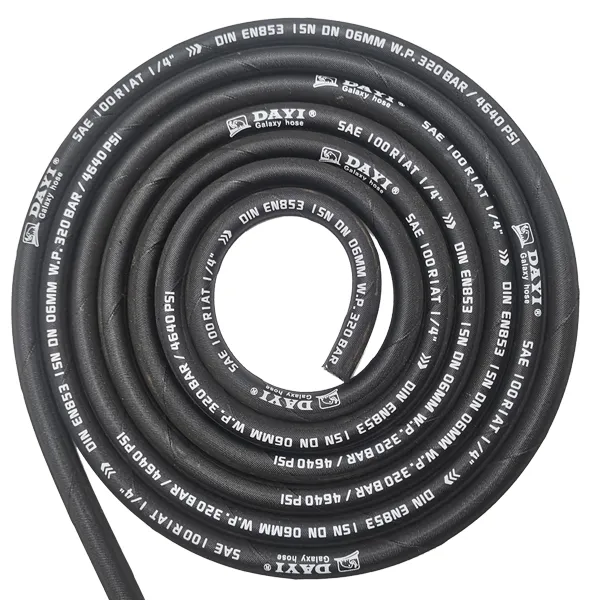
Car washer hoses, integral components in vehicle washing systems, are engineered to deliver high-pressure water efficiently and reliably. Positioned within the fluid transfer industry, they represent a critical link between the pressure washer unit and the cleaning wand. Core performance characteristics include burst pressure, working pressure, kink resistance, abrasion resistance, and temperature tolerance. Unlike general-purpose hoses, car wash hoses are specifically formulated to withstand continuous exposure to high water pressure, varying water temperatures, and potential chemical detergents. This guide provides an in-depth analysis of their material science, manufacturing processes, performance parameters, potential failure modes, and relevant industry standards, targeting procurement managers, maintenance engineers, and product development specialists.
Material Science & Manufacturing
The primary material for car washer hoses is typically a synthetic rubber compound, with variations utilizing Polyvinyl Chloride (PVC) or thermoplastic polyurethane (TPU) for specific applications. The rubber component most frequently employs a blend of materials, with Ethylene Propylene Diene Monomer (EPDM) being prominent due to its excellent resistance to ozone, weathering, and heat. Nitrile rubber (NBR) is often incorporated to enhance oil resistance, particularly when handling detergent-laden water. Reinforcement layers are crucial for withstanding high pressure. These commonly include textile braiding (polyester or nylon) or high-tensile steel wire helixes. The braiding provides circumferential strength to prevent bursting, while the steel helix offers axial strength, resisting elongation and kinking.
Manufacturing involves several critical stages. Rubber compounding necessitates precise mixing of polymers, plasticizers, fillers (carbon black or silica), and vulcanizing agents (sulfur or peroxides). This mixture undergoes extrusion through a die to form the inner tube and outer cover. The reinforcement layer is applied immediately following extrusion, using automated braiding or spiraling machines. Precise control of tension during reinforcement application is vital for uniform pressure resistance. The hose assembly is then vulcanized, a process involving heating the rubber under pressure to cross-link the polymer chains, enhancing its strength, elasticity, and temperature resistance. Quality control includes burst pressure testing, impulse testing (simulating pressure fluctuations), and dimensional checks. Post-vulcanization processes include surface treatment (for abrasion resistance) and fitting attachment (typically brass or stainless steel). Critical parameters during manufacturing include extrusion temperature, vulcanization time and temperature, reinforcement layer density, and dimensional accuracy.

Performance & Engineering
Performance analysis of car washer hoses centers around several key engineering principles. The primary concern is burst pressure, the maximum pressure the hose can withstand before catastrophic failure. This is governed by the tensile strength of the rubber compound and the reinforcement layer. Working pressure, considerably lower than burst pressure, represents the safe operating pressure for continuous use. Kink resistance is crucial, as sharp bends can restrict water flow and potentially damage the hose. The helix reinforcement contributes significantly to kink resistance. Abrasion resistance is paramount, given the hose’s frequent contact with vehicle surfaces and potentially abrasive detergents. This is often improved by incorporating abrasion-resistant polymers in the outer cover. Environmental resistance is also critical; exposure to UV radiation, ozone, and extreme temperatures can degrade the rubber compound over time.
Force analysis involves calculating hoop stress (circumferential stress due to internal pressure) and longitudinal stress (axial stress due to pressure and external forces). These stresses must remain below the material’s yield strength and ultimate tensile strength to prevent failure. Compliance requirements vary by region but generally adhere to safety standards regarding material toxicity (lead, cadmium, phthalates) and pressure ratings. Functional implementation considerations include hose length, diameter, fitting compatibility, and the overall design of the car wash system. The hose must be flexible enough for maneuvering but rigid enough to maintain its shape under pressure. Proper hose routing and support systems are essential to minimize stress and prevent damage. Selection criteria should prioritize matching the hose’s pressure rating to the pressure washer’s output and considering the frequency and duration of use.
Technical Specifications
| Parameter | Unit | Standard Grade | Premium Grade |
|---|---|---|---|
| Burst Pressure | PSI | 450 | 600 |
| Working Pressure | PSI | 225 | 300 |
| Temperature Range | °F | -40 to 176 | -40 to 212 |
| Inner Diameter | Inch | 0.25 | 0.375 |
| Outer Diameter | Inch | 0.5 | 0.625 |
| Reinforcement | Type | Polyester Braid | Steel Wire Helix |
Failure Mode & Maintenance
Common failure modes in car washer hoses include burst failure due to exceeding pressure limits, kink failure resulting from repeated bending at sharp angles, and degradation due to UV exposure, ozone cracking, and chemical attack. Fatigue cracking can occur in the reinforcement layer after prolonged use and repeated pressure cycles. Delamination, the separation of reinforcement layers from the rubber compound, can also lead to failure. Oxidation of the rubber compound, particularly at high temperatures, can cause hardening and cracking. Abrasive wear gradually erodes the outer cover, reducing its protective capabilities. Inspect hoses regularly for signs of cracking, blistering, abrasion, and leaks. Pay close attention to areas near fittings, which are prone to stress concentration.
Preventative maintenance includes flushing the hose periodically to remove sediment and detergent buildup. Avoid exposing the hose to direct sunlight for extended periods. Store hoses properly, coiled loosely and protected from extreme temperatures. Never exceed the manufacturer’s recommended working pressure. When kinking occurs, carefully unkink the hose, avoiding forceful bending. Replace hoses immediately if any signs of damage are detected. For minor abrasions, consider applying a rubber repair compound. Regularly check fitting connections for tightness and corrosion. When discarding hoses, follow local environmental regulations for proper disposal of rubber and metal components.
Industry FAQ
Q: What is the impact of water temperature on hose lifespan?
A: Elevated water temperatures accelerate the degradation of rubber compounds. Prolonged exposure to temperatures exceeding the specified range can lead to hardening, cracking, and reduced elasticity, significantly shortening the hose's lifespan. Premium-grade hoses formulated with heat-resistant polymers are recommended for applications involving high-temperature water.
Q: How does the reinforcement material affect kink resistance?
A: Steel wire helix reinforcement provides superior kink resistance compared to textile braiding. The rigid helix prevents the hose from collapsing inward when bent, maintaining water flow. While textile braids offer flexibility, they are more susceptible to kinking, particularly in smaller diameter hoses.
Q: What is the significance of the ‘impulse’ rating for a car wash hose?
A: The impulse rating indicates the hose's ability to withstand repeated pressure surges (pulses) without failure. Car wash systems often generate pressure fluctuations, particularly during start-up and shut-down. A higher impulse rating ensures the hose can endure these fluctuations without cracking or rupturing.
Q: What types of chemicals can damage a car wash hose?
A: Highly concentrated acidic or alkaline detergents can degrade rubber compounds. Some wheel cleaning chemicals containing harsh solvents can also cause swelling or cracking. EPDM rubber generally offers good chemical resistance, but prolonged exposure to aggressive chemicals should be avoided. Always consult the hose manufacturer's chemical compatibility chart.
Q: Is there a difference between a hose rated for 'industrial' vs 'commercial' car wash use?
A: Industrial-grade hoses are typically manufactured with higher-quality materials, more robust reinforcement, and thicker rubber compounds, resulting in increased durability and a longer lifespan. Commercial-grade hoses are designed for lighter duty applications and may have lower pressure ratings and less chemical resistance.
Conclusion
Car washer hoses, despite appearing simple, are complex engineered components demanding careful material selection and manufacturing control. Their performance hinges on a balance between pressure resistance, flexibility, chemical compatibility, and environmental durability. Understanding the core material properties – specifically the rubber compounds and reinforcement materials – is crucial for selecting a hose appropriate for the intended application and operating conditions.
Selecting the correct car washer hose involves a thorough assessment of the car wash system's specifications, the frequency of use, and the potential for exposure to harsh chemicals and extreme temperatures. Regular inspection and preventative maintenance are essential for maximizing lifespan and minimizing the risk of failure. Adhering to relevant industry standards and prioritizing quality components are paramount for ensuring safe and reliable operation.