
Apr . 01, 2024 17:55 Back to list
Hydraulic Hose Fittings Performance Analysis
Introduction
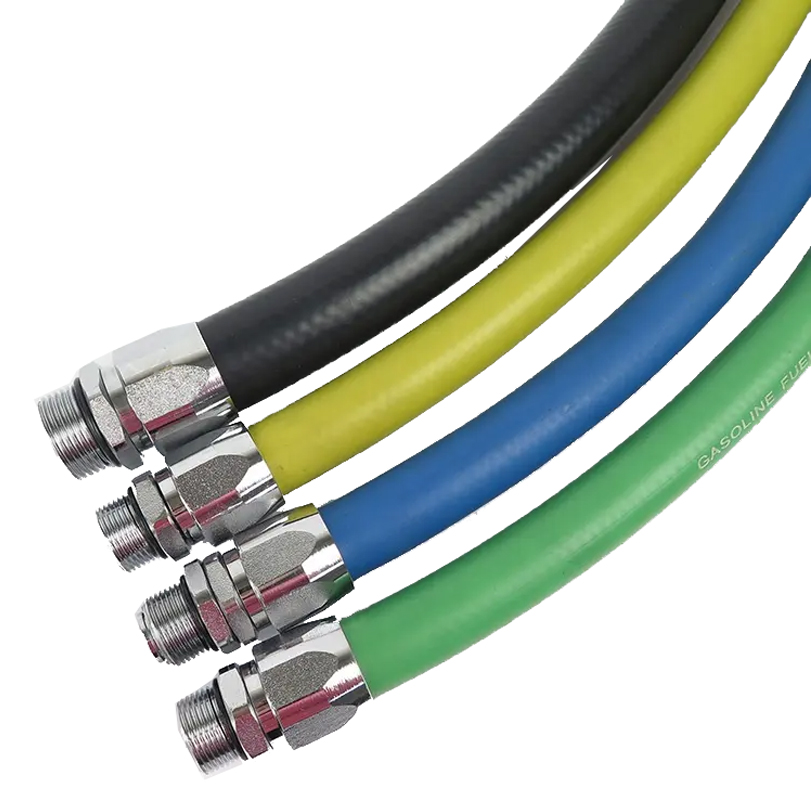
Hydraulic hose fittings are critical components in fluid power systems, providing the essential connection between flexible hoses and the hydraulic circuit. These fittings are not merely mechanical connectors; they represent a vital interface influencing system performance, reliability, and safety. Their technical position in the industry chain lies between hose manufacturing and the broader hydraulic equipment assembly, including machinery, automotive systems, and industrial applications. Core performance characteristics center around pressure retention, leak prevention, vibration resistance, and compatibility with hydraulic fluids. A key industry pain point revolves around selecting fittings capable of consistently withstanding dynamic loads, corrosive fluids, and temperature fluctuations while maintaining dimensional stability. The failure of a single fitting can compromise the entire hydraulic system, leading to costly downtime and potential safety hazards. This guide provides an in-depth exploration of hydraulic hose fitting technology, covering material science, manufacturing processes, performance parameters, failure modes, and relevant industry standards.
Material Science & Manufacturing
The materials used in hydraulic hose fitting construction directly impact performance and longevity. Common materials include carbon steel (ASTM A105, A36), alloy steel (4140, 4130), stainless steel (304, 316), and brass (C36000). Carbon steel is frequently used for general-purpose applications due to its cost-effectiveness, but requires protective coatings to prevent corrosion. Alloy steels offer increased strength and toughness, making them suitable for high-pressure systems. Stainless steel provides superior corrosion resistance, vital for applications involving aggressive fluids or harsh environments. Brass is typically used for lower-pressure fittings due to its machinability.
Manufacturing processes vary based on fitting type and material. Forging is prevalent for higher-pressure fittings, providing excellent grain structure and strength. Machining, including CNC turning and milling, is used to create precise dimensions and thread profiles. Cold extrusion is employed for mass production of simpler fittings. Critical parameters during manufacturing include thread accuracy (ISO 9652, SAE J526), surface finish (Ra values influence sealing), and heat treatment (for steel alloys to achieve desired hardness and ductility). Post-processing steps such as plating (zinc, nickel) or coating (epoxy, PTFE) enhance corrosion resistance. A critical control point is dimensional accuracy of the thread form, as inconsistencies can lead to leakage or failure under pressure. Weld procedures (AWS D1.1 for steel) are crucial when fabricating complex fitting geometries, requiring strict control of welding parameters (current, voltage, gas shielding) to ensure joint integrity and prevent defects like porosity or cracks.
Performance & Engineering
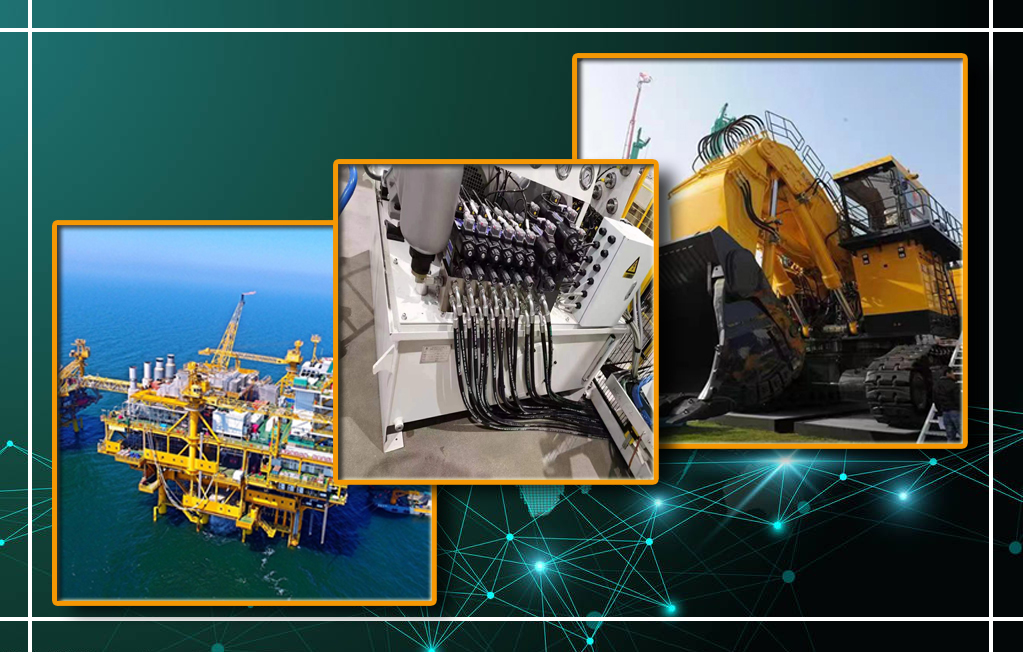
Hydraulic hose fitting performance is governed by several engineering principles. Burst pressure, working pressure, and proof pressure are key parameters, dictated by the fitting material, geometry, and thread design. Force analysis focuses on tensile stresses induced by tightening the fitting, as well as shear stresses arising from fluid pressure. Finite element analysis (FEA) is routinely used to optimize fitting designs and predict stress concentrations. Environmental resistance involves assessing compatibility with hydraulic fluids (mineral oil, synthetic fluids, phosphate esters), as well as resistance to temperature extremes, UV radiation, and corrosive substances. Compliance requirements are stringent, with standards such as SAE J1926 dictating performance criteria for hydraulic hose fittings. Functional implementation considerations include selecting the appropriate fitting type (e.g., straight, elbow, swivel, banjo) based on system layout and space constraints, as well as ensuring proper hose assembly techniques (correct crimping, torque application). Vibration resistance is crucial in mobile applications; fittings must withstand continuous dynamic loading without loosening or fatigue cracking. A significant pain point in the industry is ensuring the correct torque is applied during installation; under-torque can lead to leakage, while over-torque can damage the fitting or hose.
Technical Specifications
| Fitting Type | Maximum Working Pressure (PSI) | Material | Thread Standard |
|---|---|---|---|
| Straight Fitting | 5000 | Carbon Steel | SAE J526 |
| 45° Elbow Fitting | 6000 | Alloy Steel (4140) | ISO 9652 |
| 90° Elbow Fitting | 4000 | Stainless Steel (316) | SAE J526 |
| Swivel Fitting | 3000 | Brass (C36000) | BSP |
| Banjo Fitting | 5500 | Carbon Steel | Metric ISO 6149-1 |
| Reduce Fitting | 4500 | Stainless Steel (304) | NPT |
Failure Mode & Maintenance
Hydraulic hose fitting failures typically stem from several mechanisms. Fatigue cracking, often initiated at thread roots or stress concentrators, is common in dynamic applications. Corrosion, particularly galvanic corrosion in dissimilar metal combinations, weakens the fitting material. Thread galling, caused by improper lubrication or excessive torque, damages the thread surfaces. Erosion, due to abrasive particles in the fluid, wears away material. Leakage, a common symptom, can arise from thread imperfections, damaged seals, or improper assembly. Delamination can occur in plated or coated fittings, compromising corrosion resistance. Oxidation, especially at elevated temperatures, degrades the material. Failure analysis often involves metallurgical examination (fractography) to identify the root cause of failure. Preventive maintenance includes regular visual inspections for leaks, corrosion, or damage; periodic torque checks to ensure proper tightening; and fluid analysis to detect contamination. Lubrication with appropriate thread sealant is crucial during assembly. For fittings operating in harsh environments, implementing a corrosion protection program (e.g., applying protective coatings, using corrosion inhibitors in the fluid) is essential. Replacing fittings at predetermined intervals, based on operating conditions and manufacturer recommendations, can prevent catastrophic failures.
Industry FAQ
Q: What is the impact of fluid compatibility on fitting lifespan?
A: Incompatibility between the hydraulic fluid and the fitting material can lead to accelerated corrosion or swelling of seals, drastically reducing fitting lifespan. Certain fluids can chemically attack the metal, causing pitting or embrittlement. Selecting fittings specifically rated for the intended fluid type is paramount.
Q: How does thread type affect the sealing capability of a fitting?
A: Different thread types (NPT, BSP, Metric) have varying sealing mechanisms. NPT threads rely on interference between the threads, requiring thread sealant. BSP threads use a tapered thread with a sealing washer. Metric threads often utilize O-rings for sealing. Incorrect thread type selection can result in leakage.
Q: What torque values should be applied during fitting installation?
A: Torque values are critical and vary based on fitting size, material, and thread type. Over-torque can damage the fitting or hose, while under-torque can lead to leakage. Always refer to the manufacturer’s specifications for recommended torque values and use a calibrated torque wrench.
Q: What are the common causes of thread galling, and how can it be prevented?
A: Thread galling is caused by friction and adhesion between mating thread surfaces. It’s often exacerbated by improper lubrication or excessive torque. Prevention involves using an appropriate thread sealant, ensuring proper lubrication, and avoiding over-tightening.
Q: How important is the selection of the correct fitting material for a specific application?
A: Material selection is exceptionally important. Factors to consider include fluid compatibility, operating temperature, pressure requirements, and environmental conditions. Using an inappropriate material can lead to premature failure, corrosion, or reduced system performance.
Conclusion
Hydraulic hose fittings are essential components demanding careful consideration of material science, manufacturing precision, and engineering principles. Selecting the appropriate fitting for a given application requires a comprehensive understanding of operating conditions, fluid compatibility, and relevant industry standards. The longevity and reliability of a hydraulic system are fundamentally dependent on the integrity of these connections.
Future advancements in fitting technology will likely focus on developing lighter-weight materials, improved corrosion resistance coatings, and intelligent fitting designs that incorporate sensors for real-time monitoring of pressure and leakage. Adhering to rigorous quality control measures during manufacturing and implementing robust preventive maintenance programs remain crucial for ensuring long-term system performance and safety.