
Apr . 01, 2024 17:55 Back to list
Hydraulic Hose Pipe Ferrules Performance Analysis
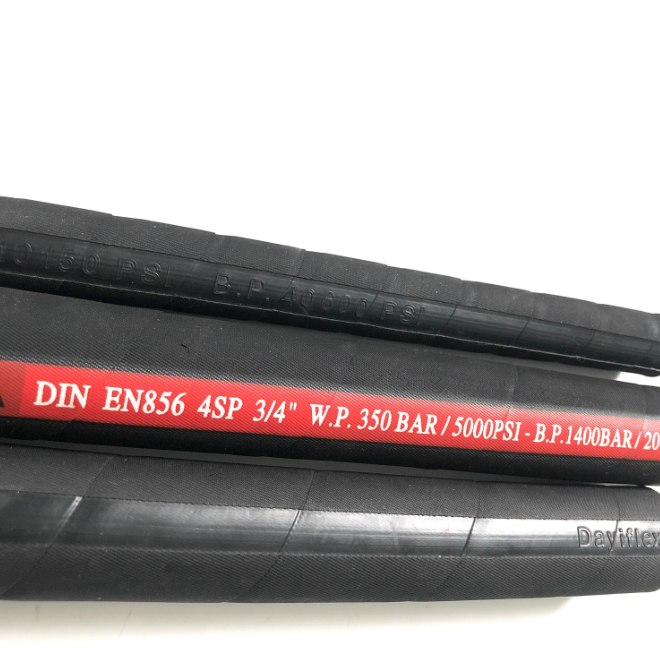
Introduction
Hydraulic hose pipe ferrules are critical components in hydraulic systems, providing the secure connection between a flexible hose and rigid piping or equipment ports. Functionally, they act as compression fittings, utilizing mechanical deformation to create a leak-proof seal under high pressure. Unlike welded or threaded connections, ferrules offer a field-attachable solution, reducing downtime and providing versatility in assembly and maintenance. They are employed across diverse industries, including construction, agriculture, manufacturing, oil & gas, and aerospace, where reliable fluid power transmission is essential. A primary challenge in the industry centers around ensuring long-term connection integrity under cyclic loading, temperature variations, and exposure to aggressive fluids. This guide provides an in-depth technical overview of hydraulic hose pipe ferrules, covering material science, manufacturing processes, performance characteristics, failure modes, and relevant industry standards.
Material Science & Manufacturing
Ferrules are predominantly manufactured from carbon steel, alloy steel, and stainless steel (304, 316). Carbon steel offers high strength and cost-effectiveness, making it suitable for general-purpose applications. Alloy steels, often incorporating chromium, molybdenum, and nickel, provide enhanced tensile strength, ductility, and resistance to corrosion. Stainless steel is selected for applications demanding exceptional corrosion resistance, particularly in environments exposed to saltwater, chemicals, or high temperatures. The manufacturing process typically begins with bar stock that is then cold-drawn or extruded to achieve the desired dimensions and wall thickness. Critical parameters during cold drawing include die angle, reduction ratio, and lubrication to minimize material defects and ensure dimensional accuracy. Following forming, ferrules undergo machining operations – including cutting, threading (for certain types), and skiving – to create the hose barb or connection profile. Skiving, a specialized machining process using a rotating cutter, creates a tapered internal surface on the ferrule, enhancing the swaging process and resulting in a stronger, more reliable crimp. Heat treatment, such as hardening and tempering, is frequently employed to achieve the desired hardness and toughness. Surface finishing, including phosphate coating or zinc plating, is often applied to improve corrosion resistance and facilitate assembly. Material compatibility with the hose reinforcement (typically steel wire or textile braid) and hydraulic fluid is paramount; improper selection can lead to galvanic corrosion or degradation of the hose assembly.
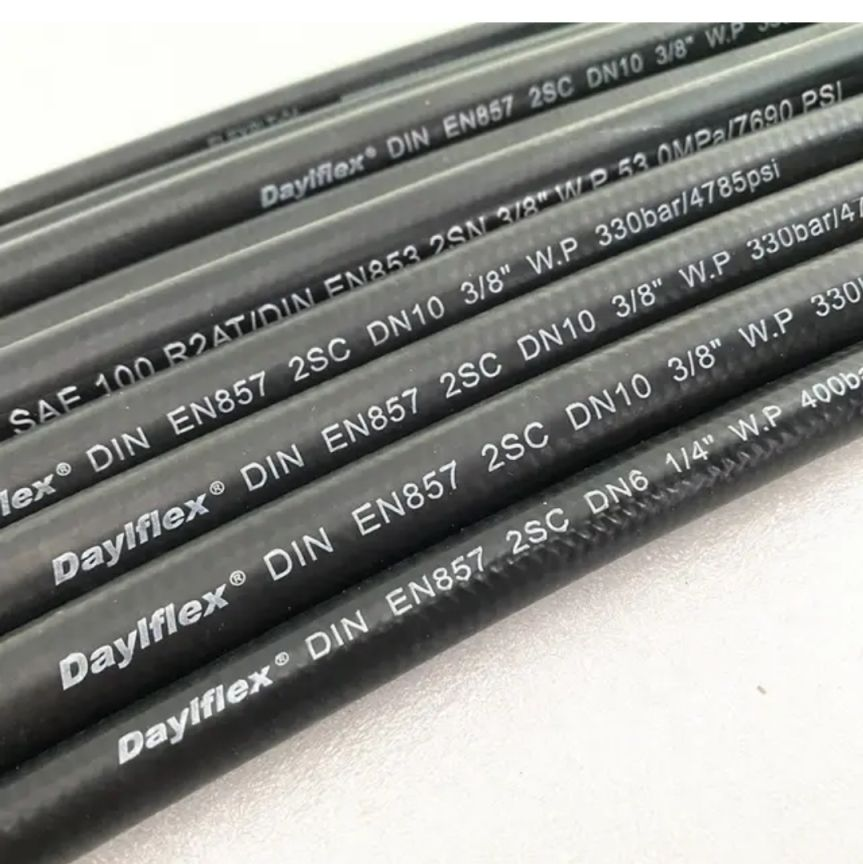
Performance & Engineering
The performance of a hydraulic hose assembly is intrinsically linked to the ferrule’s ability to withstand internal pressure, external loads, and dynamic stresses. Force analysis focuses on hoop stress within the ferrule body resulting from internal pressure, and shear stress at the crimp interface between the ferrule, hose, and reinforcement. Finite Element Analysis (FEA) is widely used to optimize ferrule geometry and material selection to minimize stress concentrations and prevent failure. Environmental resistance is another key consideration. Exposure to temperature extremes, UV radiation, and corrosive fluids can degrade the ferrule material and reduce its strength. Stainless steel ferrules are generally specified for harsh environments. Compliance requirements vary by industry and geographic region. For example, SAE J518 in the US and EN 856 in Europe specify performance criteria for hydraulic hose assemblies, including burst pressure, proof pressure, and impulse testing. The crimp quality is particularly critical. An improperly crimped ferrule can lead to leakage, hose blow-out, or premature failure. Crimp specifications (crimp diameter, crimp height, and ovality) are determined by the hose manufacturer and must be strictly adhered to during assembly. Fatigue life is another crucial parameter, particularly in applications involving cyclic loading. Ferrules are subject to repeated stress during pressure fluctuations and mechanical vibration, which can lead to fatigue cracking over time.
Technical Specifications
| Ferrule Material | Hose I.D. Range (inches) | Working Pressure (PSI) | Tensile Strength (MPa) |
|---|---|---|---|
| Carbon Steel (C1045) | 0.25 – 1.0 | Up to 4,000 | 550 - 700 |
| Alloy Steel (4140) | 0.5 – 2.0 | Up to 6,000 | 750 - 900 |
| Stainless Steel (304) | 0.25 – 1.5 | Up to 5,000 | 510 - 620 |
| Stainless Steel (316) | 0.5 – 2.5 | Up to 6,000 | 550 - 690 |
| Zinc Plated Carbon Steel | 0.25 - 0.75 | Up to 3,000 | 550 - 650 |
| Phosphate Coated Carbon Steel | 0.5 - 1.25 | Up to 4,500 | 600 - 750 |
Failure Mode & Maintenance
Common failure modes for hydraulic hose pipe ferrules include: 1) Corrosion: Galvanic corrosion between dissimilar metals (e.g., steel ferrule and brass fitting) or corrosion caused by aggressive fluids. 2) Fatigue Cracking: Initiated at stress concentrations due to cyclic loading, often around the crimp interface. 3) Crimp Failure: Insufficient crimp force, improper crimp profile, or material defects in the ferrule can lead to leakage or blow-out. 4) Thread Damage: Stripped or damaged threads on threaded ferrules can compromise the connection integrity. 5) Material Degradation: Exposure to UV radiation, high temperatures, or chemical attack can weaken the ferrule material. Preventative maintenance involves regular visual inspection for signs of corrosion, cracking, or damage. Periodic torque checks on threaded connections are also recommended. If a ferrule exhibits signs of damage, it should be replaced immediately. Proper storage is crucial; ferrules should be stored in a clean, dry environment to prevent corrosion. During assembly, ensure the correct crimp specifications are followed and that the crimping tool is properly calibrated. Using compatible fluids and materials is essential to avoid corrosion. In-service monitoring, such as leak detection systems, can provide early warning of potential failures.
Industry FAQ
Q: What is the primary difference between a skived ferrule and a non-skived ferrule, and how does that impact performance?
A: Skived ferrules feature a tapered internal profile created during manufacturing. This taper facilitates a tighter, more secure grip on the hose reinforcement wires during the crimping process, leading to improved connection strength and resistance to pull-out. Non-skived ferrules rely solely on the crimp force to secure the hose, which can be less reliable under high pressure or dynamic loading. Skived ferrules generally offer higher performance, particularly in demanding applications.
Q: How does material selection for the ferrule impact its corrosion resistance?
A: Ferrule material directly dictates its susceptibility to corrosion. Carbon steel is the most vulnerable, requiring protective coatings (phosphate, zinc) to mitigate corrosion. Alloy steels offer improved corrosion resistance, while stainless steel (304, 316) provides the highest level of protection, especially in harsh environments with exposure to saltwater, chemicals, or high humidity. Selecting the appropriate material based on the operating environment is critical to prevent premature failure.
Q: What are the key factors to consider when selecting a ferrule for a specific hose size and pressure rating?
A: Consider the hose inner diameter (I.D.), working pressure, and surge pressure requirements. The ferrule must be rated for at least the maximum working pressure of the system. Compatibility with the hose reinforcement material (steel wire or textile) is also crucial. Ensure the ferrule is designed for the specific hose type and that the crimp specifications provided by the hose manufacturer are followed precisely.
Q: What is the importance of proper crimping technique and tool calibration?
A: Proper crimping is arguably the most critical aspect of hose assembly. An improperly crimped ferrule can lead to leakage, hose blow-out, or premature failure. The crimping tool must be properly calibrated to deliver the correct crimp force and profile as specified by the hose manufacturer. Regular calibration checks are essential to ensure consistent and reliable crimps.
Q: How can I identify a potentially failing ferrule during a routine inspection?
A: Look for signs of corrosion (rust, pitting), cracks (especially around the crimp), deformation, or damage to the threads (if applicable). Also, check for evidence of leakage around the ferrule. Any of these indicators suggest the ferrule may be compromised and should be replaced.
Conclusion
Hydraulic hose pipe ferrules are indispensable components in any hydraulic system, demanding careful consideration of material selection, manufacturing quality, and proper installation. Their reliable performance hinges upon a thorough understanding of the underlying material science, engineering principles, and potential failure modes. Adhering to industry standards and best practices for crimping and maintenance is paramount to ensuring long-term connection integrity and system safety.
Looking ahead, advancements in ferrule design and materials are focused on improving corrosion resistance, increasing fatigue life, and simplifying assembly processes. The use of advanced alloys, surface treatments, and automated crimping technologies will continue to drive performance improvements and reduce the risk of failures. Furthermore, the integration of sensor technologies into ferrules to monitor crimp integrity and detect early signs of degradation represents a promising area for future development.