Introduction
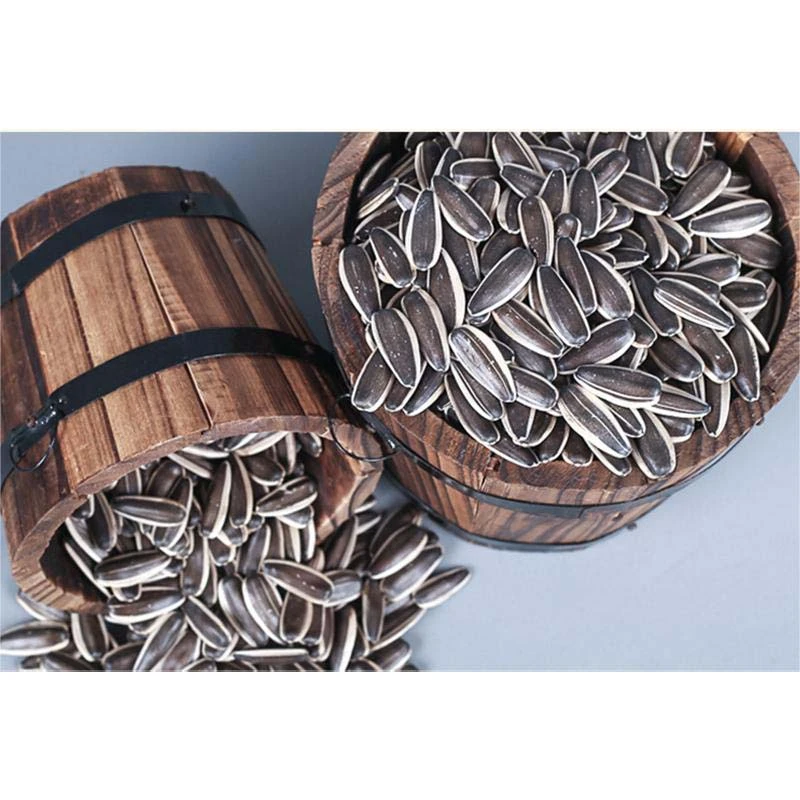
Black melon seeds (Cucumis melo var. momordica) represent a significant agricultural export commodity, primarily originating from regions in Asia, Africa, and increasingly, South America. Their market position stems from their nutritional value – high in protein, healthy fats, and minerals – coupled with applications across the food processing industry, including snack foods, confectionery, and as a source of vegetable oil. The export chain involves agricultural production, harvesting, drying, cleaning, grading, packaging, and international logistics. Core performance characteristics defining export quality include seed size, oil content, moisture content, absence of defects (e.g., insect damage, mold), and adherence to stringent food safety standards. The primary pain point for exporters lies in maintaining consistent quality across variable harvest conditions, mitigating mycotoxin contamination risk, and navigating complex import regulations pertaining to pesticide residues and phytosanitary certificates. This guide provides a comprehensive technical overview for black melon seed exporters, covering material science, manufacturing processes, quality control, and international compliance.
Material Science & Manufacturing
Black melon seeds are composed primarily of carbohydrates (approximately 25-30%), proteins (25-35%), fats (30-40%), and moisture (8-12%). The fat content is predominantly unsaturated fatty acids, including linoleic acid. The seed coat, or testa, provides a protective outer layer rich in phenolic compounds and dietary fiber. Manufacturing begins with harvesting at physiological maturity, indicated by rind color change and seed rattle. Post-harvest drying is critical, typically achieved through sun-drying or mechanical drying using controlled temperature and airflow. Sun-drying, while cost-effective, poses risks of microbial growth and uneven drying. Mechanical drying, utilizing temperatures below 60°C, is preferred for maintaining seed quality and preventing lipid oxidation. Cleaning involves removing debris, broken seeds, and foreign matter using sieves, aspirators, and destoners. Grading categorizes seeds based on size, shape, and color, often employing automated optical sorting technology. Key parameter control during drying involves monitoring moisture content to reach 8-10% to inhibit microbial activity and ensure storage stability. Lipid oxidation is minimized by controlling drying temperature, using antioxidant packaging materials, and implementing proper storage conditions (low temperature, low oxygen). The seed coat’s physical properties, particularly its tensile strength, influence its resistance to cracking during processing. Chemical compatibility concerns center around pesticide residues, heavy metal contamination, and the potential for acrylamide formation during roasting.
Performance & Engineering
Performance analysis of black melon seeds centers around their processing characteristics and end-use application. For snack food production, kernel hardness is a critical parameter, influencing texture and consumer acceptability. Kernel hardness is determined by force analysis during compression testing. Environmental resistance is vital for maintaining seed viability during storage and transport. Key factors include moisture content, temperature, and exposure to oxygen. High humidity and temperature accelerate lipid oxidation and microbial growth. Packaging engineering plays a crucial role in controlling these factors. Barrier films with low oxygen transmission rates (OTR) and low water vapor transmission rates (WVTR) are employed to protect seed quality. Compliance requirements include adherence to maximum residue limits (MRLs) for pesticides established by importing countries (e.g., EU, USA). Phytosanitary certificates are mandatory to demonstrate freedom from pests and diseases. The thermal conductivity of the seed impacts roasting uniformity during snack production. Proper roasting parameters (temperature, time) are critical to achieve desired flavor and texture without causing acrylamide formation. Analysis of the seed's structural integrity, particularly its resistance to cracking during shelling and processing, is crucial for optimizing processing equipment and minimizing waste. The overall efficiency of the seed oil extraction process is influenced by the seed’s oil content and the effectiveness of the extraction method (mechanical pressing, solvent extraction).
Technical Specifications
| Parameter | Unit | Typical Value (Export Grade) | Test Method |
|---|---|---|---|
| Moisture Content | % | 8.0 – 10.0 | AOAC 925.10 |
| Oil Content | % (Dry Basis) | 35 – 45 | Soxhlet Extraction (AOAC 920.39) |
| Protein Content | % (Dry Basis) | 28 – 38 | Kjeldahl Method (AOAC 920.87) |
| Kernel Hardness | N | > 50 | Compression Testing (ASTM D695) |
| Seed Size (Average Diameter) | mm | 10 – 15 | Sieve Analysis (ASTM E11) |
| Acrylamide Content | µg/kg | < 100 | GC-MS (AOAC 2009.08) |
Failure Mode & Maintenance
Black melon seeds are susceptible to several failure modes throughout the export chain. One common issue is lipid oxidation, leading to rancidity and off-flavors. This is accelerated by exposure to oxygen, light, and elevated temperatures. Prevention involves proper drying, antioxidant packaging, and controlled storage conditions. Another critical failure mode is mycotoxin contamination, particularly by aflatoxins, produced by Aspergillus fungi. Contamination occurs during pre-harvest, harvest, and post-harvest stages. Mitigation strategies include pre-harvest fungicide application (following regulatory guidelines), proper drying to reduce moisture content, and rigorous quality control testing. Physical damage, such as cracking and chipping, can occur during handling and processing. This reduces seed quality and increases waste. Optimizing processing equipment and implementing gentle handling procedures are crucial. Insect infestation is another significant concern, leading to seed damage and contamination. Proper storage in sealed containers and pest control measures are essential. Maintenance of storage facilities involves regular cleaning, temperature and humidity control, and inspection for signs of pests and mold. Regular analysis of seed samples for mycotoxin levels, pesticide residues, and oil quality is critical for ensuring compliance with export standards. Preventative maintenance of drying and processing equipment minimizes downtime and ensures consistent product quality.
Industry FAQ
Q: What is the acceptable level of aflatoxin in black melon seeds destined for the European Union?
A: The European Union has stringent regulations regarding aflatoxin levels. For black melon seeds, the maximum permissible level of total aflatoxins (B1, B2, G1, G2) is 2 µg/kg. Exporters must provide analytical testing reports from accredited laboratories demonstrating compliance with this limit.
Q: How can we effectively reduce the risk of mycotoxin contamination during drying?
A: Rapid and thorough drying is paramount. Aim for a moisture content of 8-10% as quickly as possible after harvest. Mechanical drying with controlled temperature (below 60°C) and airflow is preferable to sun-drying. Ensure proper cleaning of drying surfaces to prevent mold growth. Implementing pre-harvest fungicide applications (following local regulations) can also help reduce fungal load.
Q: What packaging materials are recommended to maintain seed quality during long-term storage and transport?
A: Multi-layer packaging utilizing a barrier film with low OTR and WVTR is recommended. Materials like polypropylene (PP) laminated with polyethylene (PE) and incorporating an aluminum foil layer provide excellent protection. Vacuum packaging or modified atmosphere packaging (MAP) with nitrogen flushing can further extend shelf life by minimizing oxygen exposure.
Q: What documentation is required for exporting black melon seeds to the United States?
A: Key documentation includes a phytosanitary certificate issued by the exporting country’s national plant protection organization, a certificate of origin, a bill of lading, a commercial invoice, and analytical reports demonstrating compliance with US Food and Drug Administration (FDA) regulations, including pesticide residue limits. The FDA Import Alert database should be checked for any specific requirements or restrictions.
Q: How can we determine the optimal roasting parameters to maximize flavor while minimizing acrylamide formation?
A: Acrylamide formation is influenced by roasting temperature and time. Lower roasting temperatures and shorter roasting times generally reduce acrylamide formation. Conducting controlled roasting trials and analyzing acrylamide levels using GC-MS is essential to identify the optimal parameters. Adding ascorbic acid (Vitamin C) has also been shown to reduce acrylamide formation in some studies.
Conclusion
Black melon seed exportation demands meticulous attention to detail across the entire supply chain, from agricultural practices to post-harvest processing and international logistics. Maintaining consistent seed quality, minimizing contamination risks (particularly mycotoxins), and adhering to stringent import regulations are paramount for success. The technical parameters outlined in this guide – moisture content, oil content, kernel hardness, and aflatoxin levels – serve as critical benchmarks for quality control.
Future trends in the industry will likely focus on sustainable farming practices, traceability technologies (e.g., blockchain), and the development of value-added products (e.g., organic seeds, roasted snacks with enhanced nutritional profiles). Continuous investment in research and development, coupled with a commitment to quality assurance, will be essential for black melon seed exporters to remain competitive in the global market. Prioritizing advanced drying technologies and improved packaging solutions will further contribute to extended shelf life and reduced waste.
