Introduction
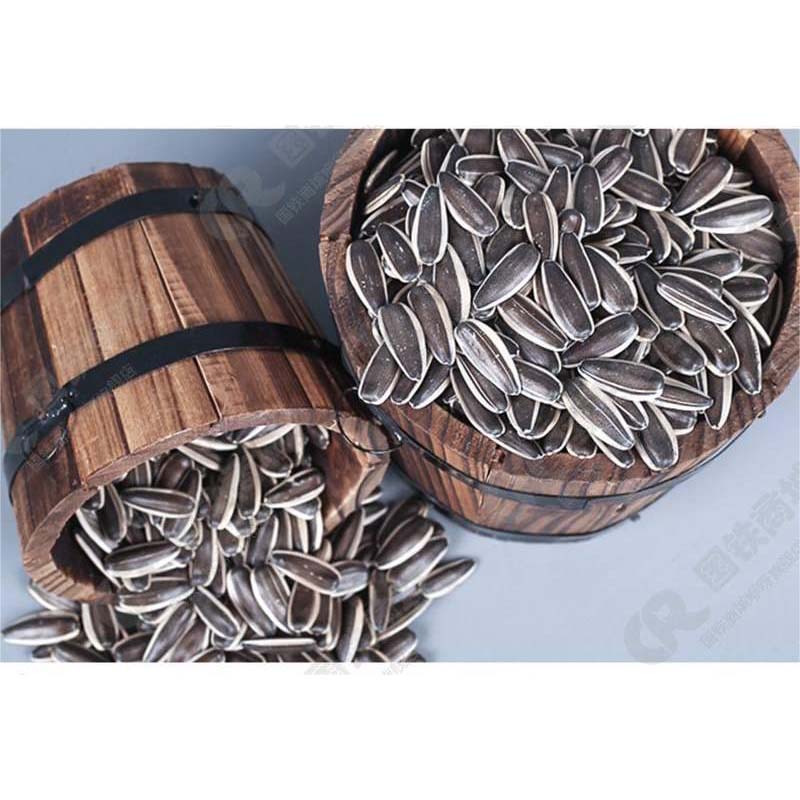
Black melon seeds, Cucurbita pepo var. nigra, represent a significant agricultural product primarily consumed as a snack food and increasingly investigated for its nutritional and industrial applications. Positioned within the food processing chain following harvesting and drying, black melon seeds undergo cleaning, grading, and often roasting processes before packaging and distribution. Core performance characteristics center around seed maturity, oil content, protein composition, and overall palatability. The increasing consumer demand for healthy snacks and the potential for extracting valuable oils and proteins drive continued research and development in black melon seed processing and utilization. Addressing challenges related to consistent quality, efficient shelling, and minimization of processing waste are critical for maximizing economic viability and market penetration. This guide will provide a comprehensive technical overview of the material science, manufacturing processes, performance characteristics, failure modes, and relevant standards pertaining to black melon seed product.
Material Science & Manufacturing
Black melon seeds are predominantly composed of lipids (40-50% by weight), proteins (25-35%), carbohydrates (10-15%), and moisture (7-10%). The lipid fraction is rich in unsaturated fatty acids, notably linoleic acid (omega-6) and oleic acid (omega-9). The protein content comprises various amino acids, making the seed a viable protein source. The seed coat, a complex structure composed primarily of cellulose and lignin, provides a protective barrier and contributes to the seed's textural properties. Manufacturing begins with harvesting mature seeds. Drying is a crucial step, typically accomplished through sun-drying or controlled temperature drying to reduce moisture content to approximately 8-10%, inhibiting microbial growth and facilitating storage. Shelling, often a manual or semi-automated process, separates the kernel from the outer hull. Key parameters include shelling speed, impact force, and hull damage minimization. Roasting, employing temperatures between 120-180°C for 10-30 minutes, enhances flavor and texture. Temperature control is paramount to prevent scorching and lipid oxidation. Grading based on size and quality follows, often utilizing sieve systems. Packaging employs materials providing moisture and oxygen barriers to maintain product freshness. Chemical compatibility between the seed oil and packaging materials (e.g., polypropylene, polyethylene) is essential to prevent off-flavor development and maintain product integrity.
Performance & Engineering
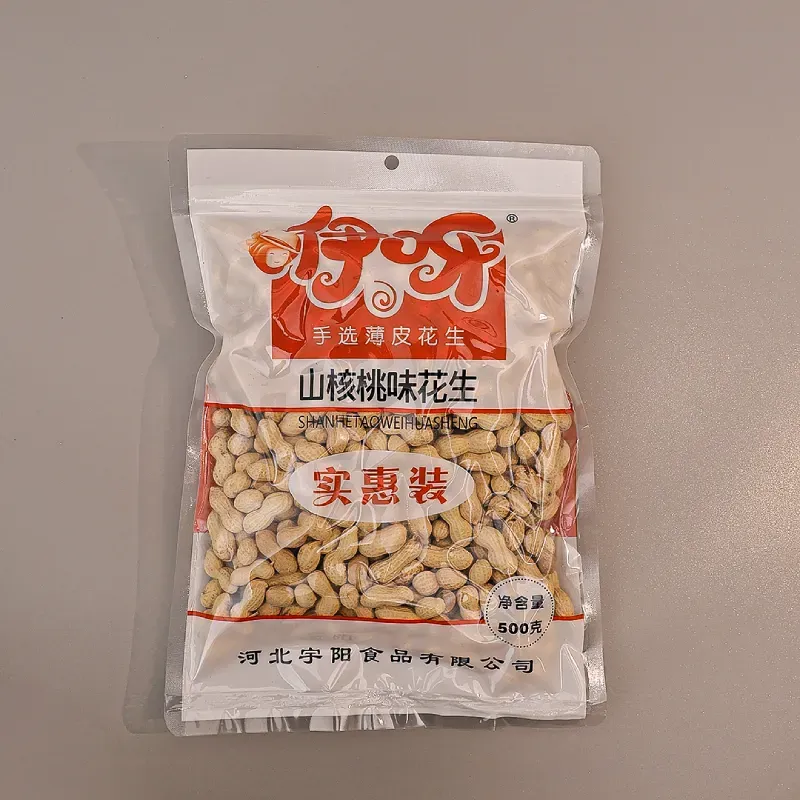
The structural integrity of the black melon seed kernel is critical for withstanding processing and handling stresses. Force analysis during shelling reveals peak force requirements dependent on seed coat thickness and moisture content. Compressive strength testing assesses kernel resistance to crushing, impacting packaging design and transport considerations. Environmental resistance is largely governed by lipid oxidation rates, accelerated by temperature, oxygen exposure, and light. Antioxidant packaging and controlled atmosphere storage mitigate oxidative degradation. Compliance requirements encompass food safety standards (e.g., HACCP, GMP), pesticide residue limits (e.g., Codex Alimentarius), and allergen labeling regulations. Functional implementation as a food ingredient requires understanding its impact on texture, viscosity, and nutritional profile within composite formulations. The oil's viscosity and stability are crucial for applications in food processing, and the protein’s emulsifying and foaming properties are important for formulated products. Moisture content significantly influences shelf life; exceeding 10% promotes fungal growth and rancidity. Particle size distribution, influenced by shelling and grading, affects flowability during packaging and processing.
Technical Specifications
| Parameter | Unit | Typical Value | Test Method |
|---|---|---|---|
| Moisture Content | % | 8-10 | AOAC 925.10 |
| Oil Content (Dry Basis) | % | 45-55 | Soxhlet Extraction (AOAC 920.39) |
| Protein Content (Dry Basis) | % | 28-35 | Kjeldahl Method (AOAC 920.87) |
| Acid Value | mg KOH/g | < 2.0 | Titration (AOCS Cd 3-63) |
| Peroxide Value | meq O2/kg | < 5.0 | Titration (AOCS Cd 8-53) |
| Shelling Percentage | % | 60-70 | Weight Ratio (Kernel Weight / Total Seed Weight) |
Failure Mode & Maintenance
Common failure modes in black melon seed product include lipid oxidation leading to rancidity and off-flavors, evidenced by increased peroxide and acid values. Physical damage during shelling and handling causes kernel breakage, reducing product quality and increasing waste. Moisture absorption during storage promotes fungal growth and mycotoxin contamination. Delamination of the seed coat can occur due to improper drying or mechanical stress. Oxidative degradation is visually manifested as discoloration and alters the seed's texture. Maintenance involves strict adherence to hygienic processing practices, temperature and humidity control during storage, and the use of antioxidant packaging materials. Regular monitoring of oil quality parameters (acid value, peroxide value) is crucial. Implementing a first-in, first-out (FIFO) inventory management system minimizes storage time. Shelling equipment requires routine maintenance, including blade sharpening and calibration to reduce kernel damage. Effective pest control strategies are essential to prevent insect infestation. Proper packaging selection, utilizing materials with low oxygen and moisture permeability, extends shelf life and preserves product quality. Preventative maintenance programs focused on equipment sanitation and calibration are paramount.
Industry FAQ
Q: What is the primary driver of rancidity in black melon seeds and how can it be mitigated?
A: The primary driver of rancidity is lipid oxidation, specifically the auto-oxidation of unsaturated fatty acids. This process is accelerated by oxygen, temperature, light, and the presence of metal ions. Mitigation strategies include using antioxidant packaging (e.g., vacuum packaging, nitrogen flushing), storing seeds at low temperatures (below 15°C), adding natural or synthetic antioxidants (e.g., Vitamin E, BHA/BHT – within regulatory limits), and minimizing exposure to light.
Q: How does moisture content affect the shelf life of black melon seeds?
A: Moisture content significantly impacts shelf life. Above 10%, it promotes the growth of molds and bacteria, leading to spoilage and potential mycotoxin contamination. High moisture also accelerates enzymatic reactions contributing to rancidity. Maintaining a moisture content of 8-10% through proper drying and moisture-barrier packaging is critical for extending shelf life.
Q: What are the key considerations for selecting packaging materials?
A: Key considerations include oxygen permeability, moisture permeability, light barrier properties, and chemical compatibility with the seed oil. Materials like metallized polyethylene terephthalate (PET) and polypropylene (PP) with appropriate barrier coatings are commonly used. The material should not impart off-flavors or odors to the seeds. Packaging should also be robust enough to withstand handling and transportation stresses.
Q: What is the optimal roasting temperature and duration to maximize flavor development without compromising oil quality?
A: The optimal roasting temperature is generally between 120-180°C, with a duration of 10-30 minutes. However, this depends on the specific variety of black melon seed and desired flavor profile. Careful monitoring is crucial to prevent scorching, which degrades oil quality and creates undesirable flavors. Regular testing of oil quality parameters (acid value, peroxide value) after roasting is recommended.
Q: What quality control measures are essential during the shelling process?
A: Essential quality control measures include monitoring shelling efficiency, assessing kernel breakage rates, and inspecting for foreign matter contamination. Regular calibration and maintenance of shelling equipment are crucial. Visual inspection and sieving are used to grade seeds based on size and quality. Implementing a process for removing damaged or discolored kernels is also important.
Conclusion
Black melon seeds represent a valuable agricultural commodity with growing industrial relevance. Understanding the complex interplay of material science principles – encompassing lipid composition, protein structure, and seed coat properties – is crucial for optimizing processing parameters and maximizing product quality. Careful control of moisture content, temperature, and oxygen exposure throughout the entire supply chain, from harvesting to packaging, is paramount to preventing spoilage and maintaining desirable sensory attributes. Adherence to stringent food safety standards and continuous monitoring of critical quality parameters are non-negotiable for ensuring consumer safety and building market trust.
Future advancements in black melon seed processing may focus on developing more efficient shelling technologies, optimizing roasting profiles to enhance flavor and minimize oil degradation, and exploring novel packaging solutions utilizing biodegradable or compostable materials. Research into the functional properties of black melon seed protein and oil will likely unlock new applications in food formulation and potentially in non-food industries, such as cosmetics and biofuels. Continued investment in research and development will be essential for unlocking the full potential of this versatile and nutritious seed.
