Introduction
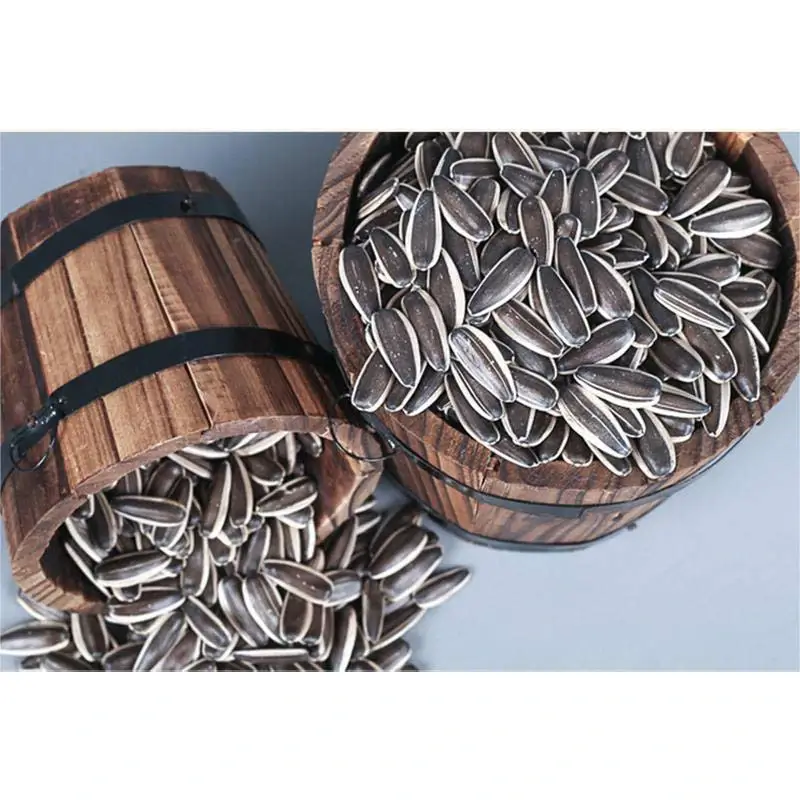
Sunflower seeds, a globally traded agricultural commodity, are increasingly exported in bagged formats to meet diverse consumer and industrial demands. This technical guide details the critical considerations for sunflower seed exporters, focusing on seed quality, packaging materials, storage stability, and adherence to international trade standards. The export process involves more than simple seed sourcing; it necessitates a deep understanding of moisture content control, oil stability, pathogen mitigation, and packaging integrity to maintain product viability and meet stringent import regulations. The selection of appropriate bag materials, sealing techniques, and palletization methods directly impacts shelf life, transportation efficiency, and overall product acceptance in target markets. Furthermore, understanding the biochemical changes occurring within the seed during storage and transit is paramount to minimizing losses and maximizing economic returns for exporters.
Material Science & Manufacturing
Sunflower seeds are primarily composed of lipids (35-55%), proteins (20-25%), carbohydrates (15-20%), and fiber (5-10%), with a moisture content typically ranging from 6-10%. The kernel's oil composition, rich in linoleic acid, is susceptible to oxidative rancidity, making moisture control and antioxidant protection crucial. Manufacturing of bagged sunflower seeds begins with harvesting and drying to the target moisture level. Drying utilizes forced air convection, with parameters like air temperature (40-60°C) and airflow rate carefully controlled to prevent cracking or scorching. Seed cleaning removes debris, hulls, and foreign materials through a combination of screening, aspiration, and gravity separation. Bagging materials commonly include polypropylene (PP), polyethylene (PE), and multi-layer laminates designed to offer barrier properties against moisture, oxygen, and light. PP woven bags are cost-effective but offer limited barrier properties; PE bags provide better moisture resistance but are susceptible to puncture. Multi-layer laminates, incorporating EVOH or metallized films, offer the highest level of protection but are more expensive. Sealing methods include heat sealing and impulse sealing, requiring precise temperature and pressure control to ensure hermetic closures. Proper palletization utilizes stretch film to stabilize loads and prevent bag rupture during transport. Key parameter control revolves around maintaining seed temperature below 25°C during processing and storage to minimize lipid oxidation.

Performance & Engineering
The performance of bagged sunflower seed exports hinges on several engineering principles. Moisture migration within the bag, driven by water activity gradients, is a primary concern, leading to clumping and accelerated rancidity. Bag strength, quantified by tensile strength and puncture resistance, must withstand the stresses of handling, stacking, and transportation. Force analysis reveals that static loads from stacking are compounded by dynamic loads during transit. Environmental resistance encompasses protection against temperature fluctuations, humidity, and UV radiation. Compliance requirements include adherence to maximum pesticide residue limits (established by Codex Alimentarius), mycotoxin regulations (particularly aflatoxins), and allergen labeling standards. Functional implementation includes optimal bag dimensions for efficient pallet loading (e.g., 25kg or 50kg bags) and ensuring that bag closures provide a hermetic seal, minimizing oxygen ingress. Furthermore, the bag’s breathability must be considered – complete impermeability can lead to condensation and increased humidity within the bag, exacerbating spoilage. Consideration of Modified Atmosphere Packaging (MAP) techniques, utilizing nitrogen flushing to reduce oxygen levels, can significantly extend shelf life.
Technical Specifications
| Seed Moisture Content | Bag Material | Oxygen Transmission Rate (OTR) | Tensile Strength (Bag) |
|---|---|---|---|
| 6-8% | PP Woven with PE Liner | 100-200 cm³/m²/day | 30-40 N/mm² |
| 7-9% | Multi-Layer Laminate (PET/PE/EVOH) | <10 cm³/m²/day | 45-60 N/mm² |
| <7% | HDPE | 20-50 cm³/m²/day | 25-35 N/mm² |
| 8-10% | PP Woven (coated) | 50-150 cm³/m²/day | 20-30 N/mm² |
| 6-7% | BOPP/PE Laminate | 15-40 cm³/m²/day | 40-50 N/mm² |
| 7-9% | LDPE | 60-120 cm³/m²/day | 15-25 N/mm² |
Failure Mode & Maintenance
Failure modes in bagged sunflower seed exports are diverse. Bag rupture due to mechanical stress during handling and transportation is common, leading to seed loss and contamination. Moisture ingress, resulting from inadequate sealing or permeable bag materials, promotes fungal growth and oil rancidity. Lipid oxidation, accelerated by temperature and oxygen exposure, degrades oil quality and generates off-flavors. Insect infestation, particularly by storage pests, can cause significant seed damage. Delamination of multi-layer bags can compromise barrier properties. Maintenance strategies focus on preventative measures. Proper storage in cool, dry conditions (<20°C, <65% RH) is essential. Regular inspection of bags for damage or leaks is crucial. Implementation of a First-In, First-Out (FIFO) inventory system minimizes storage time. Consideration of desiccant inclusion within the bag can absorb residual moisture. Application of insecticidal treatments (approved for food use) can prevent infestation. For damaged bags, immediate repackaging into airtight containers is necessary. Monitoring seed quality parameters (moisture content, oil acidity, peroxide value) throughout the supply chain provides early detection of degradation.
Industry FAQ
Q: What is the optimal moisture content for sunflower seeds intended for long-term export storage?
A: The optimal moisture content is typically between 6-7%. Lower moisture levels inhibit fungal growth and enzymatic activity, significantly extending shelf life. However, excessively dry seeds can become brittle and prone to breakage during handling. Precise control through proper drying and monitoring is critical.
Q: How does the choice of bag material impact the shelf life of sunflower seeds?
A: Bag material is paramount. Multi-layer laminates offering low OTR and moisture vapor transmission rates (MVTR) provide the best protection. PP woven bags with PE liners are a cost-effective option but offer limited barrier properties. HDPE provides reasonable moisture protection but lacks oxygen barrier. The specific choice depends on the storage duration and the target market's climate.
Q: What are the key considerations for preventing insect infestation during export?
A: Maintaining low moisture content (<7%) is the first line of defense. Implementing a rigorous cleaning process to remove seed debris and potential insect breeding sites is crucial. Consideration of approved insecticidal treatments and proper warehouse sanitation are essential. Sealed bags and palletization further minimize access for pests.
Q: How can exporters mitigate the risk of lipid oxidation in sunflower seeds?
A: Lipid oxidation is a major concern. Reducing oxygen exposure through vacuum packaging or nitrogen flushing is effective. Adding antioxidants (e.g., Vitamin E) to the seeds can slow down oxidation. Maintaining low storage temperatures (<20°C) and minimizing exposure to light are also critical. Proper bag material selection (low OTR) further protects against oxidation.
Q: What international standards govern the export of sunflower seeds?
A: Several standards apply, including Codex Alimentarius standards for food safety and quality, maximum residue limits for pesticides, and mycotoxin regulations. Import regulations vary by country and must be carefully reviewed. ISO 22000 provides a framework for food safety management systems. Additionally, specific phytosanitary certificates may be required by importing countries.
Conclusion
The successful export of sunflower seeds in bags necessitates a holistic understanding of material science, engineering principles, and adherence to rigorous quality control standards. From controlling seed moisture content and selecting appropriate packaging materials to mitigating oxidation and preventing infestation, each stage of the process demands careful attention to detail. The long-term viability of the export market relies on consistently delivering a high-quality, safe, and stable product that meets the demands of international consumers and regulatory bodies.
Looking ahead, advancements in packaging technology, such as biodegradable and compostable bag materials, present opportunities for sustainable exporting practices. Investing in real-time monitoring of seed quality parameters throughout the supply chain, utilizing IoT sensors, will enable proactive intervention and minimize losses. Furthermore, collaboration between exporters, packaging manufacturers, and logistics providers is crucial to optimize the entire process and ensure the continued competitiveness of the sunflower seed export industry.
