Introduction
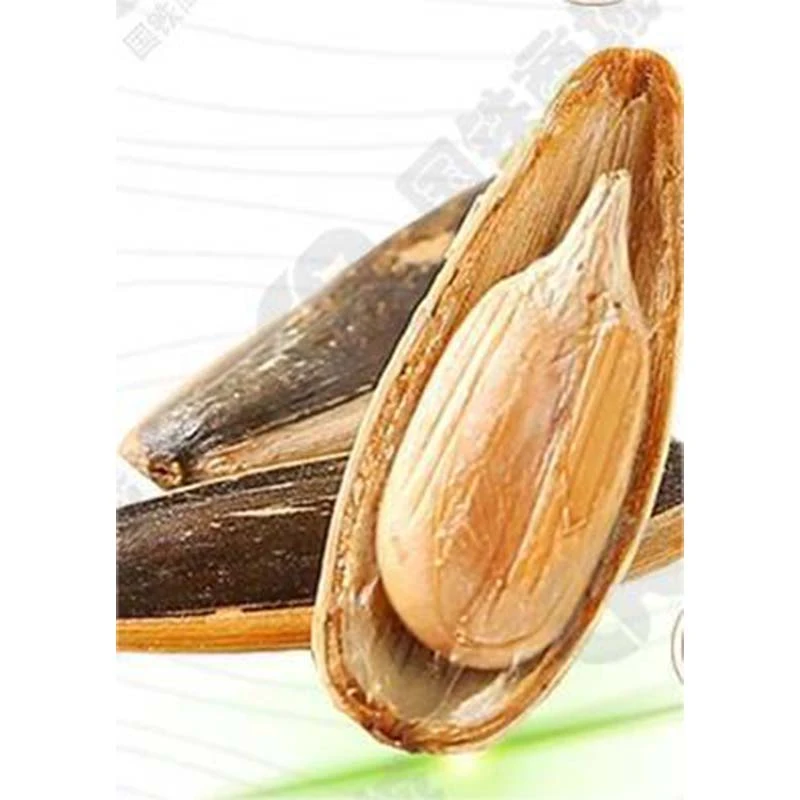
Sunflower seed packaging, supplied by specialized manufacturers, represents a critical intersection of food science, materials engineering, and logistical efficiency. The role of the bag extends beyond simple containment; it fundamentally impacts product shelf life, seed quality preservation, and consumer acceptance. This guide provides an in-depth analysis of the technical considerations underpinning effective sunflower seed bag supply, covering materials science, manufacturing processes, performance characteristics, potential failure modes, and relevant industry standards. The core pain point for procurement managers lies in balancing cost optimization with ensuring adequate barrier properties against oxygen, moisture, and light, all while maintaining food-grade compliance and mechanical durability throughout the supply chain. Seed oil migration and subsequent rancidity are primary concerns, necessitating materials with low permeability and optimized sealing techniques. Furthermore, increasingly stringent environmental regulations regarding packaging materials demand sustainable and recyclable solutions.
Material Science & Manufacturing
The primary materials utilized in sunflower seed bag construction are multi-layer films, typically incorporating polyethylene (PE), polypropylene (PP), polyethylene terephthalate (PET), and aluminum foil. PE offers cost-effectiveness and sealing properties but exhibits limited barrier performance. PP provides enhanced temperature resistance and clarity. PET contributes tensile strength and gas barrier properties. Aluminum foil provides an excellent, near-absolute barrier to light, oxygen, and moisture, albeit with recyclability challenges. The specific blend and layering configuration are crucial. Manufacturing typically involves blown film extrusion to create the plastic film layers, followed by lamination with aluminum foil (if used). Critical parameters during extrusion include melt temperature (typically 220-280°C for PE/PP), die pressure (maintained within +/- 5% of target), and cooling rate (controlled to achieve optimal film crystallinity and clarity). Lamination processes require precise adhesive application (polyurethane-based adhesives are common) and consistent pressure/temperature control (around 80-120°C) to ensure adequate bonding. Bag formation involves vertical form fill seal (VFFS) or horizontal form fill seal (HFFS) machinery. Seal integrity, measured by peel strength and heat seal time, is paramount to preventing oxygen ingress and maintaining product freshness. Ink selection for printing must be food-grade compliant and resistant to migration into the seed product. The choice of material and manufacturing process significantly impacts the final bag's oxygen transmission rate (OTR), water vapor transmission rate (WVTR), and mechanical properties.
Performance & Engineering
Performance characteristics of sunflower seed bags are dictated by a complex interplay of mechanical forces, environmental exposure, and chemical interactions. Tensile strength, measured in MPa, determines the bag’s resistance to tearing during handling and transportation. Elongation at break, expressed as a percentage, indicates the material’s ability to stretch before failure. Impact resistance, evaluated using dart drop tests, assesses the bag’s ability to withstand sudden shocks. Environmental resistance encompasses UV degradation, moisture sensitivity, and temperature stability. Prolonged UV exposure can lead to polymer chain scission, reducing tensile strength and causing discoloration. WVTR, measured in g/m²/24h, dictates the rate of moisture absorption, which can initiate seed rancidity. Temperature cycling, simulating transportation and storage conditions, can induce stress cracking and seal failure. Compliance requirements include adherence to food contact regulations (FDA in the US, EFSA in Europe), migration limits for packaging components, and heavy metal content restrictions. The bag’s design must also consider the fill weight, bag dimensions, and stacking stability to optimize pallet utilization and minimize transportation costs. Force analysis during filling and sealing operations is critical to prevent bag damage and ensure consistent seal integrity. Finite Element Analysis (FEA) can be used to model stress distribution and optimize bag design for enhanced performance.
Technical Specifications
| Parameter | Unit | Typical Value (Standard Bag) | Premium Bag (High Barrier) |
|---|---|---|---|
| Oxygen Transmission Rate (OTR) | cc/m²/day | 50-100 | <5 |
| Water Vapor Transmission Rate (WVTR) | g/m²/24h | 3-5 | <1 |
| Tensile Strength (MD) | MPa | 20-30 | 35-45 |
| Tensile Strength (TD) | MPa | 15-25 | 30-40 |
| Elongation at Break (MD) | % | 200-300 | 300-400 |
| Seal Strength (Peel) | N/15mm | 2-4 | 4-6 |
Failure Mode & Maintenance
Common failure modes in sunflower seed bags include puncture damage during handling, seal failures leading to oxygen ingress, stress cracking due to temperature fluctuations, and UV degradation causing embrittlement. Puncture resistance is compromised by sharp objects and rough handling. Seal failures can occur due to insufficient heat seal temperature, inconsistent pressure, or contamination on the sealing surfaces. Stress cracking is exacerbated by notches or imperfections in the film. UV degradation leads to a gradual loss of mechanical properties. Failure analysis often involves microscopic examination of the failed area to identify the root cause. Preventative maintenance includes regular inspection of sealing equipment, proper storage of packaging materials (away from direct sunlight and extreme temperatures), and implementation of robust quality control procedures throughout the manufacturing process. Furthermore, appropriate palletizing and transportation practices are crucial to minimize mechanical stress. For long-term storage, bags should be kept in a cool, dry, and dark environment to minimize degradation and maintain product quality. Employing a first-in, first-out (FIFO) inventory management system minimizes the risk of utilizing aged materials prone to failure. Regular auditing of suppliers’ quality control systems is also vital.
Industry FAQ
Q: What is the optimal OTR for sunflower seeds to maintain freshness for a year?
A: An OTR of less than 5 cc/m²/day is generally recommended for maintaining sunflower seed freshness for a year, minimizing lipid oxidation and rancidity. Lower OTR values are achievable with aluminum foil lamination or high-barrier polymer films.
Q: How does humidity affect the performance of the packaging film?
A: High humidity increases the WVTR, leading to moisture absorption by the seeds, potentially causing clumping and accelerating rancidity. Packaging materials with low WVTR are crucial in humid environments. Desiccants may also be incorporated into the packaging to further mitigate moisture issues.
Q: What are the key considerations for choosing a food-grade adhesive for lamination?
A: The adhesive must be FDA/EFSA compliant, exhibit low migration potential, possess sufficient bonding strength to withstand processing and transportation stresses, and be compatible with the film substrates. Polyurethane-based adhesives are commonly used due to their excellent performance characteristics.
Q: What are the options for more sustainable packaging materials?
A: Options include using bio-based polymers (e.g., PLA, PHA), incorporating recycled content into the film, and designing for recyclability (e.g., mono-material structures). However, performance trade-offs may need to be considered.
Q: How can seal integrity be reliably verified?
A: Seal integrity can be verified through non-destructive testing methods such as leak testing (using air pressure or dye penetration) and visual inspection for defects. Destructive testing includes peel strength measurements and burst testing.
Conclusion
The selection and specification of sunflower seed bags are complex, demanding a thorough understanding of material science, manufacturing processes, and performance requirements. Balancing cost-effectiveness with the need for optimal barrier properties, mechanical durability, and food-grade compliance is paramount. Failure to adequately address these considerations can result in product spoilage, consumer dissatisfaction, and potential brand damage.
Looking ahead, the trend towards sustainable packaging will continue to drive innovation in material selection and design. Developing recyclable or compostable barrier films that maintain the necessary performance characteristics will be a key challenge for the industry. Furthermore, advancements in packaging technology, such as active packaging systems incorporating oxygen absorbers or moisture scavengers, may offer enhanced protection and extended shelf life.
