Introduction
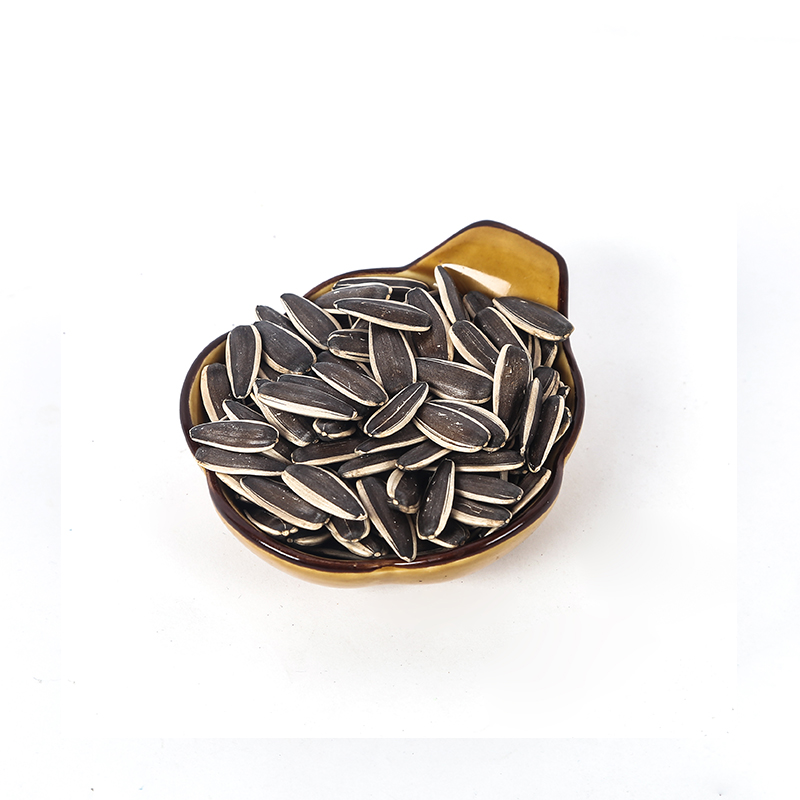
Sunflower seeds, specifically those processed to meet the Whole30 compliance standards, represent a niche but rapidly expanding segment of the snack food industry. This technical guide provides an in-depth examination of sunflower seed production for Whole30 adherence, encompassing material science, manufacturing processes, performance characteristics, potential failure modes, and relevant industry standards. Sunflower seeds are selected for their nutritional profile – high in healthy fats, protein, and micronutrients – making them a permissible food within the Whole30 framework, which excludes grains, legumes, dairy, added sugar, and alcohol. The core performance requirement centers around maintaining seed integrity, preventing rancidity, minimizing aflatoxin contamination, and ensuring consistent quality suitable for direct consumption. The industry faces challenges related to sourcing, processing techniques impacting nutritional value, and the stringent demands of Whole30 certification. Understanding these factors is critical for manufacturers aiming to deliver a safe, compliant, and high-quality product.
Material Science & Manufacturing
The primary raw material, Helianthus annuus seeds, exhibits variability in oil content (35-55%), protein (20-25%), fiber (10-20%), and moisture content (8-12%). Seed variety significantly impacts these percentages. Manufacturing begins with seed selection, ideally utilizing oilseed-specific cultivars with documented aflatoxin resistance. Cleaning removes debris, foreign matter, and damaged seeds. Dehulling is critical; however, incomplete dehulling can lead to increased fiber content and a slightly bitter taste. The core of the process involves drying, typically using a combination of forced-air and controlled-temperature systems to reduce moisture to < 6% to inhibit microbial growth and lipid oxidation. Roasting, a crucial step influencing flavor and texture, requires precise temperature and time control (typically 120-160°C for 15-30 minutes). Over-roasting diminishes nutritional value and can induce acrylamide formation. Cooling must be rapid to prevent condensation and reabsorption of moisture. Finally, seasoning – if any – must adhere to Whole30 ingredient restrictions (salt, spices, and approved vinegars only). Parameter control during drying and roasting is paramount. Moisture content is monitored using calibrated moisture analyzers; temperature is verified with thermocouples; and oil quality is assessed via peroxide value (PV) and anisidine value (AV) tests to detect oxidation. Chemical compatibility of processing equipment materials (stainless steel 304/316 preferred) with seed oils is essential to prevent corrosion and metallic contamination.
Performance & Engineering
The performance of sunflower seeds for Whole30 consumption centers on several key engineering considerations. Firstly, maintaining seed coat integrity during processing is crucial to prevent oil leakage and rancidity. This necessitates careful design of dehulling and roasting equipment to minimize mechanical stress. Secondly, thermal transfer during roasting must be uniform to ensure consistent cooking and prevent localized overheating. Computational Fluid Dynamics (CFD) modeling is used to optimize roaster design. Thirdly, packaging plays a vital role in preventing oxygen ingress and moisture absorption. Multi-layer films with high oxygen barrier properties (OTR < 0.1 cc/m²/day) and moisture barrier properties (WVTR < 1 g/m²/day) are preferred. Environmental resistance is evaluated via accelerated shelf-life testing at elevated temperatures and humidity levels. Compliance with Whole30 guidelines requires meticulous ingredient verification and process validation to prevent contamination with non-compliant substances. Force analysis focuses on seed breakage during handling and processing, with target values aiming for < 2% breakage rate. Aflatoxin levels are a critical performance metric, requiring regular testing (ELISA method) to ensure compliance with regulatory limits (e.g., < 20 ppb in the US, < 4 ppb in the EU).
Technical Specifications
| Parameter | Specification | Test Method | Acceptance Criteria |
|---|---|---|---|
| Moisture Content | ≤ 6.0% | AOAC 925.10 | No visual evidence of condensation; Karl Fischer Titration results ≤ 6.0% |
| Oil Content | 35% - 55% | AOAC 920.39 | Consistent with seed variety specifications |
| Aflatoxin Level (B1, B2, G1, G2) | ≤ 4 ppb (Total) | ELISA | All aflatoxin levels below regulatory limits |
| Peroxide Value (PV) | ≤ 5 meq O₂/kg | AOCS Cd 8-53 | Indicates minimal lipid oxidation |
| Anisidine Value (AV) | ≤ 20 | AOCS Cd 8-53 | Indicates minimal secondary oxidation products |
| Seed Breakage Rate | ≤ 2% | Visual Inspection/Sieving | Minimal seed fragmentation during handling |
Failure Mode & Maintenance
Sunflower seeds are susceptible to several failure modes during production and storage. Rancidity, caused by lipid oxidation, is a primary concern, manifested as off-flavors and reduced nutritional value. This is exacerbated by exposure to oxygen, light, and high temperatures. Aflatoxin contamination, resulting from Aspergillus mold growth, poses a significant food safety risk. Mechanical damage during dehulling and roasting can lead to seed coat cracking, increasing susceptibility to oxidation and moisture absorption. Delamination of the seed coat, particularly in poorly dried seeds, impacts texture and appearance. Failure of packaging materials (e.g., punctures, seal failures) compromises barrier properties and accelerates deterioration. Maintenance protocols include regular cleaning and sanitation of processing equipment to prevent microbial growth and cross-contamination. Roaster temperature calibration is essential for consistent roasting. Preventative maintenance on packaging machinery minimizes seal failures. Regular aflatoxin testing and oil quality analysis (PV/AV) are crucial for early detection of deterioration. Proper storage conditions (cool, dry, dark) are essential for maximizing shelf life. Detailed record-keeping of processing parameters and quality control data is vital for traceability and failure analysis.
Industry FAQ
Q: What are the critical considerations for sourcing sunflower seeds for Whole30 compliance?
A: Sourcing is paramount. Seeds must be from suppliers with documented aflatoxin control programs and certifications (e.g., Global G.A.P.). Varieties with inherent resistance to Aspergillus are preferred. Traceability back to the farm of origin is essential. Suppliers must provide Certificates of Analysis (COAs) confirming aflatoxin levels and pesticide residue compliance.
Q: How does the roasting process impact the nutritional profile of the sunflower seeds?
A: Roasting enhances flavor and texture but can also degrade heat-sensitive nutrients like vitamin E. Precise temperature and time control are crucial. Lower roasting temperatures and shorter durations minimize nutrient loss. Monitoring peroxide value (PV) post-roasting is essential to assess lipid oxidation.
Q: What packaging materials are most effective for maintaining Whole30 compliance and extending shelf life?
A: Multi-layer films incorporating aluminum foil or metalized polyester provide superior oxygen and moisture barrier properties. The film structure should be certified food-grade and free of BPA and other non-compliant materials. Proper sealing is critical to prevent oxygen ingress. Modified atmosphere packaging (MAP) with nitrogen flushing can further extend shelf life.
Q: What quality control measures are essential to prevent aflatoxin contamination?
A: Regular aflatoxin testing of raw materials and finished products using ELISA is non-negotiable. Implement a robust HACCP plan focusing on critical control points throughout the process. Proper seed storage and handling practices minimize mold growth. Thorough cleaning and sanitation of processing equipment are essential.
Q: How can we validate that our manufacturing process consistently meets Whole30 requirements?
A: Process validation involves documenting all critical parameters (temperature, time, moisture content, etc.) and demonstrating that they consistently fall within acceptable ranges. Regular audits and inspections are essential. Maintain detailed records of all quality control data. Independent third-party certification to Whole30 standards provides additional assurance.
Conclusion
The production of sunflower seeds for the Whole30 market demands meticulous attention to detail across the entire value chain. From raw material sourcing and processing parameter control to packaging and quality assurance, maintaining compliance and delivering a safe, high-quality product requires a robust understanding of material science, engineering principles, and regulatory requirements. The ongoing challenge for manufacturers lies in balancing optimal flavor and texture development with the preservation of nutritional integrity and adherence to stringent Whole30 standards.
Future advancements in sunflower seed processing may involve novel dehulling techniques minimizing seed damage, optimized roasting profiles utilizing infrared or microwave technology for more uniform heating, and the development of biodegradable packaging materials with enhanced barrier properties. Continuous monitoring of industry regulations and evolving Whole30 guidelines is essential for sustained success in this dynamic market segment.
