Introduction
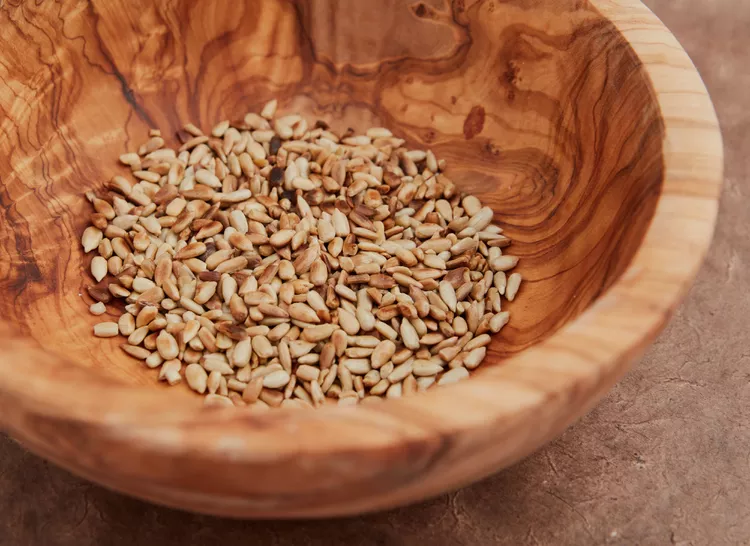
Sunflower seeds, specifically those processed for Whole30 compliance, represent a niche yet significant segment within the broader edible seed market. The Whole30 program, a 30-day elimination diet, necessitates adherence to strict ingredient limitations, impacting the sourcing, processing, and quality control measures employed by manufacturers. Sunflower seeds ( Helianthus annuus ) are valued for their nutritional profile, comprising healthy fats, protein, vitamin E, and magnesium. However, achieving Whole30 compliance isn't merely about the seed itself; it's about eliminating added sugars, artificial sweeteners, legumes, grains, dairy, and specific additives commonly used during processing and flavoring. This guide provides a comprehensive technical overview for manufacturers supplying sunflower seeds to the Whole30 market, covering material science, production, performance considerations, failure modes, and relevant industry standards. The primary pain point for these manufacturers lies in maintaining ingredient purity throughout the supply chain and consistently meeting the stringent Whole30 requirements while ensuring product palatability and shelf stability. Quality control extends beyond traditional contaminant screening to include meticulous tracking of processing aids and potential cross-contamination.
Material Science & Manufacturing
Sunflower seeds consist primarily of an oil-rich kernel encased within a hull (pericarp). Kernel composition varies by cultivar, with oil content ranging from 38-58% and protein constituting 18-26%. The oil is rich in linoleic acid (an omega-6 fatty acid) and oleic acid (an omega-9 fatty acid), the ratio influencing oxidative stability. Manufacturing begins with seed selection, focusing on cultivars with high kernel-to-hull ratio and desirable fatty acid profiles. Post-harvest processing involves cleaning, dehulling, drying, and grading. Dehulling efficiency is critical; residual hull fragments contribute to off-flavors and reduce product quality. Drying is crucial to reduce moisture content to below 8% to prevent mold growth and rancidity. Industrial drying employs fluidized bed dryers or continuous flow dryers, with temperature control (<60°C) paramount to minimize lipid oxidation. Whole30 compliance dictates the exclusive use of physical processing methods; no enzymatic treatments or chemical additives are permitted. Roasting, a common practice to enhance flavor, must be carefully controlled to avoid acrylamide formation, a byproduct of Maillard reaction at high temperatures. Flavoring, if applied, must adhere to Whole30 guidelines – only permitted spices and natural salts are allowed. Packaging materials must be devoid of phthalates and BPA and provide an effective oxygen barrier to prevent rancidity.
Performance & Engineering
The performance of sunflower seeds within the Whole30 context hinges on several factors. Firstly, oxidative stability is paramount. The polyunsaturated fatty acid content renders the oil susceptible to rancidity, characterized by off-flavors and decreased nutritional value. Engineering controls to mitigate oxidation include minimizing exposure to oxygen during processing and packaging, incorporating antioxidants (within Whole30 guidelines – e.g., rosemary extract), and maintaining low moisture content. Secondly, physical integrity is important. Seeds must withstand handling and transportation without significant kernel breakage. Kernel hardness is a key property influencing breakage resistance, determined by cultivar and moisture content. Thirdly, sensory attributes, while subjective, are critical for consumer acceptance. Roast level significantly impacts flavor and texture. Engineers must optimize roasting parameters (temperature, time, airflow) to achieve desired flavor profiles without compromising nutritional value or creating harmful compounds. Finally, Whole30 compliance requires rigorous traceability. Manufacturers must implement robust quality control systems to document the origin of seeds, processing conditions, and ingredient lists, ensuring adherence to the program’s specifications. This necessitates advanced data logging and batch tracking capabilities.
Technical Specifications
| Parameter | Specification | Test Method | Whole30 Relevance |
|---|---|---|---|
| Moisture Content | ≤ 8.0% | AOAC 925.10 | Prevents mold growth, maintains shelf life. |
| Oil Content | 38 – 58% (dry weight basis) | AOAC 920.39 | Influences flavor and nutritional value. |
| Free Fatty Acid (FFA) | ≤ 0.5% | AOCS Cd 3-66 | Indicator of oil degradation and rancidity. |
| Peroxide Value (PV) | ≤ 5.0 meq O2/kg | AOCS Cd 8-53 | Measures initial oxidation level. |
| Kernel Damage (Broken/Split) | ≤ 5.0% | Visual Inspection | Impacts product appearance and consumer appeal. |
| Hull Content | ≤ 2.0% | Weight Separation | Affects texture and flavor; potential allergen. |
Failure Mode & Maintenance
Sunflower seeds are susceptible to several failure modes. Rancidity, as previously discussed, is a primary concern, manifesting as off-flavors and reduced nutritional value. This is exacerbated by improper storage conditions (high temperature, exposure to oxygen and light). Physical damage during handling can lead to kernel breakage, reducing product quality and increasing susceptibility to oxidation. Microbial contamination, particularly mold growth, is another potential failure mode, stemming from inadequate drying or storage in humid environments. Aflatoxin contamination, a mycotoxin produced by Aspergillus molds, is a significant food safety hazard requiring stringent monitoring. Maintenance of processing equipment is crucial to prevent mechanical damage and ensure consistent product quality. Regular cleaning and lubrication of dehulling and drying equipment are essential. Preventative maintenance programs should include periodic inspection and replacement of worn parts. Packaging integrity is paramount; compromised packaging allows oxygen ingress, accelerating rancidity. Proper storage of raw materials and finished products, under cool, dry, and dark conditions, is vital to minimize degradation and maintain product quality. Regular sensory evaluation (taste and odor) provides an early warning of rancidity or other quality defects.
Industry FAQ
Q: What are the most common reasons for Whole30 rejection of sunflower seed products?
A: The most frequent reasons for rejection relate to undeclared ingredients (e.g., added sugars, natural flavors containing non-compliant additives), cross-contamination with legumes or grains during processing, and exceeding permissible limits for naturally occurring compounds like lectins. Lack of comprehensive ingredient documentation and traceability also frequently results in rejection.
Q: How critical is the seed source and cultivar selection for Whole30 compliance?
A: Seed source is extremely critical. Seeds must be sourced from suppliers with documented allergen control programs and a commitment to non-GMO practices. Cultivar selection influences oil content, kernel hardness, and flavor profile, directly impacting product performance and stability. Certain cultivars exhibit higher levels of naturally occurring compounds that may require careful processing to meet Whole30 standards.
Q: What are the key considerations for packaging to maintain Whole30 integrity?
A: Packaging must provide an excellent oxygen barrier to prevent rancidity. Materials should be free of BPA and phthalates. Consider using multilayer films with aluminum foil or metallized layers. Proper sealing is essential to maintain the barrier properties. The packaging material itself must also be compliant with food contact regulations.
Q: Beyond standard quality control, what specialized testing is recommended for Whole30 sunflower seeds?
A: In addition to moisture content, oil content, and FFA testing, specialized testing should include aflatoxin screening, lectin analysis (if required by the Whole30 program), and rigorous ingredient verification to confirm the absence of non-compliant additives. Supplier audits are also recommended.
Q: How can manufacturers effectively demonstrate Whole30 compliance to their customers?
A: Providing comprehensive Certificates of Analysis (COAs) for each batch, detailing all relevant specifications and test results, is crucial. Maintaining a robust traceability system and being prepared for Whole30 program audits is also essential. Transparency in ingredient sourcing and processing is highly valued by Whole30 compliant brands.
Conclusion
Manufacturing sunflower seeds for the Whole30 market demands a meticulous approach extending beyond conventional food processing standards. Achieving compliance necessitates a deep understanding of material science, rigorous quality control throughout the entire supply chain, and adherence to stringent ingredient limitations. The primary challenge lies in balancing ingredient purity with palatability and shelf stability, requiring optimized processing parameters and robust packaging solutions.
Future advancements may focus on novel processing techniques to enhance oxidative stability without compromising Whole30 compliance, such as utilizing nitrogen flushing during packaging or exploring natural antioxidant coatings. Continued collaboration between manufacturers and the Whole30 program is vital to address evolving requirements and maintain the integrity of the program. Ultimately, success in this niche market hinges on a commitment to transparency, traceability, and uncompromising quality.
