Introduction
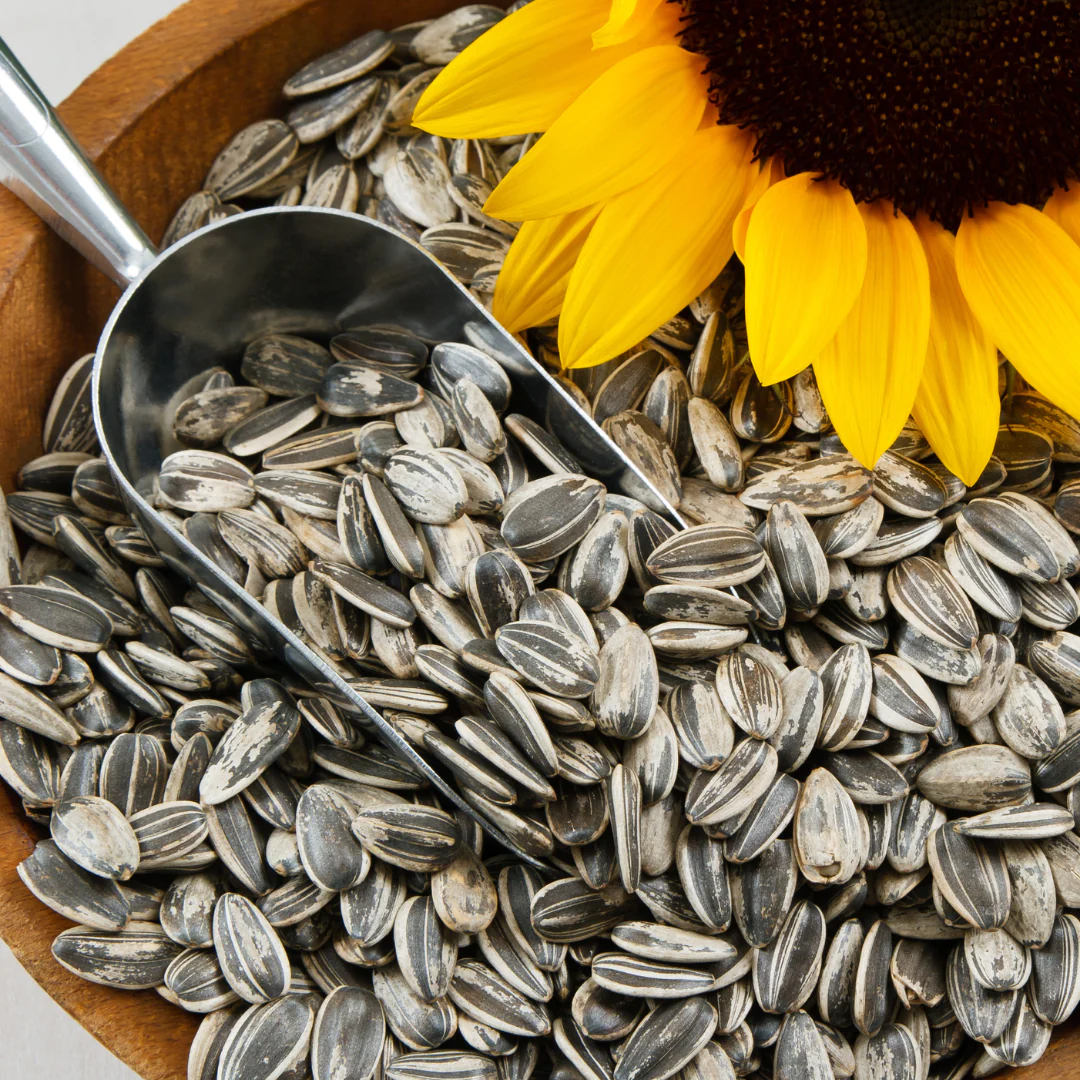
Sunflower seeds, specifically those conforming to a “Whole 30” dietary framework, represent a concentrated source of plant-based nutrition increasingly demanded by health-conscious consumers. Their technical position within the food supply chain resides as a minimally processed seed product, requiring stringent quality control from agricultural cultivation through packaging. The Whole 30 compliance necessitates the absence of specific additives, grains, legumes, dairy, and refined sugars, dictating a purer product profile. Core performance characteristics center around nutritional density – particularly protein, healthy fats, and micronutrients like Vitamin E and magnesium – alongside acceptable levels of moisture, oil content, and freedom from contaminants. These seeds are gaining traction as a standalone snack, ingredient in trail mixes, or component of specialized dietary formulations, demanding consistent quality and adherence to the Whole 30 program’s criteria.
Material Science & Manufacturing
The primary raw material, Helianthus annuus (common sunflower) seeds, exhibit a complex chemical composition. They comprise approximately 35-50% oil (primarily linoleic acid, an omega-6 fatty acid), 20-25% protein (containing essential amino acids), 15-25% carbohydrate (mostly fiber), and 5-10% moisture. The seed coat, or hull, is composed largely of cellulose and lignin, providing structural integrity. Manufacturing begins with harvesting and drying the seeds to a target moisture content of 8-10% to prevent fungal growth and enzymatic degradation. This is typically achieved through forced-air drying. Subsequent processing involves dehulling (removal of the outer hull) utilizing mechanical abrasion or cracking. Dehulling efficiency is critical; incomplete hull removal affects palatability and can introduce undesirable textural elements. Following dehulling, seeds are graded based on size and density using screens and air separation. Quality control checks involve assessing oil content via solvent extraction (e.g., hexane) and protein content using Kjeldahl analysis. Whole 30 compliance necessitates the avoidance of any post-processing treatments involving prohibited substances. Packaging utilizes materials with low oxygen permeability to maintain oil stability and prevent rancidity, typically multilayer films incorporating polyethylene and aluminum foil. Key parameter control includes maintaining consistent drying temperatures (<60°C to preserve oil quality), optimizing dehulling parameters to minimize seed breakage, and implementing rigorous sanitation procedures throughout the process to prevent microbial contamination.
Performance & Engineering
The performance of sunflower seeds within a Whole 30 context is primarily governed by their nutritional profile and stability. Oil stability is a key engineering challenge. Lipid oxidation, driven by exposure to oxygen, light, and heat, leads to rancidity and off-flavors. The rate of oxidation is quantified by measuring Peroxide Value (PV) and Anisidine Value (AV); Whole 30 compliant products must maintain low PV and AV values throughout their shelf life. Mechanical strength, specifically the resistance to cracking during handling and transportation, is also critical. Seed coat integrity contributes significantly to this. Force analysis during packaging and distribution determines appropriate packaging materials and handling procedures. Environmental resistance focuses on moisture uptake and its impact on seed quality. High humidity can lead to increased moisture content, promoting microbial growth and accelerating lipid oxidation. Packaging materials with excellent moisture barrier properties are essential. Compliance with Whole 30 standards necessitates meticulous tracking of ingredient sources and manufacturing processes to ensure the absence of prohibited additives. Specifically, cross-contamination with allergens (e.g., peanuts, tree nuts) must be prevented through dedicated processing lines and rigorous cleaning protocols. Furthermore, assessment of acrylamide levels (a byproduct of high-temperature processing, though typically minimal in raw seeds) ensures adherence to food safety regulations.
Technical Specifications
| Parameter | Unit | Specification | Test Method |
|---|---|---|---|
| Moisture Content | % | ≤ 10.0 | AOAC 925.10 |
| Oil Content | % | 40 – 50 | AOAC 920.85 |
| Protein Content | % | 20 – 25 | Kjeldahl Method (AOAC 978.18) |
| Peroxide Value (PV) | meq O2/kg | ≤ 5.0 | AOCS Cd 8-53 |
| Anisidine Value (AV) | Units | ≤ 10.0 | AOCS Cd 8-53 |
| Hull Content (dehusked seeds) | % | ≤ 2.0 | Visual Inspection & Weight Analysis |
Failure Mode & Maintenance
Sunflower seeds are susceptible to several failure modes. Rancidity, as previously mentioned, is a primary concern, resulting from lipid oxidation. This manifests as off-flavors and decreased nutritional value. Physical damage, including cracking and breakage during handling, reduces product appeal and can lead to dust formation. Microbial contamination, particularly by molds (e.g., Aspergillus species) producing mycotoxins, poses a significant food safety risk. The presence of foreign materials (e.g., stones, metal fragments) is a quality control failure. Maintenance strategies center on proper storage conditions. Seeds should be stored in a cool, dry, and dark environment (temperature <25°C, relative humidity <60%) to minimize oxidation and microbial growth. Packaging integrity is critical; damaged packaging compromises barrier properties. Regular monitoring of peroxide value and moisture content is recommended. For large-scale storage, controlled atmosphere storage (reducing oxygen levels) can extend shelf life. Preventative maintenance of processing equipment (dehullers, graders) is essential to minimize seed damage. Strict adherence to sanitation procedures throughout the manufacturing process is paramount to prevent microbial contamination. Regular audits and inspections are needed to verify compliance with Whole 30 standards and food safety regulations.
Industry FAQ
Q: What measures are taken to ensure the sunflower seeds are free from cross-contamination with allergens, specifically peanuts and tree nuts, for Whole 30 compliance?
A: We utilize dedicated processing lines for sunflower seeds, physically separated from any equipment handling peanuts or tree nuts. Rigorous cleaning and sanitation protocols are implemented between production runs, including allergen swabbing and verification testing. Incoming raw materials are inspected for allergen presence, and our facility maintains a comprehensive allergen control plan.
Q: How do you guarantee the oil content consistently falls within the specified range (40-50%)?
A: We employ a statistical process control (SPC) system based on regular solvent extraction analysis (AOAC 920.85) throughout the production process. This allows us to monitor and adjust processing parameters, such as drying time and temperature, to maintain oil content within the acceptable limits. Seed source variability is also closely monitored.
Q: What is the shelf life of these sunflower seeds under optimal storage conditions, and how is that determined?
A: Under optimal storage conditions (cool, dry, dark), the shelf life is typically 12 months from the date of packaging. This is determined through accelerated shelf life testing, where samples are stored at elevated temperatures and humidity levels to simulate long-term storage. Peroxide value, oil quality, and sensory evaluation are monitored periodically.
Q: What specific parameters are monitored during the dehulling process to minimize seed damage and maximize yield?
A: We monitor impact speed, abrasion intensity, and screen size during the dehulling process. These parameters are optimized to effectively remove the hull while minimizing seed breakage. Regular visual inspection and weight analysis of the dehusked seeds are conducted to assess dehulling efficiency and identify any damage.
Q: What steps are taken to ensure that the sunflower seeds meet Whole 30’s requirement of no added sugars or artificial ingredients?
A: We conduct thorough ingredient sourcing verification, ensuring all raw materials are free of prohibited substances. We maintain a strict “ingredient manifest” and conduct regular testing for hidden sugars and artificial additives. Our facility operates under a HACCP (Hazard Analysis and Critical Control Points) plan specifically tailored to Whole 30 compliance.
Conclusion
Sunflower seeds adhering to Whole 30 standards represent a technologically nuanced food product. Achieving consistent quality requires diligent control over agricultural practices, manufacturing processes, and storage conditions. The primary technical challenges revolve around maintaining oil stability, preventing microbial contamination, and ensuring complete compliance with Whole 30 program requirements. These factors dictate the seed’s nutritional value, palatability, and overall safety for consumption.
Future developments may focus on optimizing dehulling techniques to further reduce seed damage, exploring natural antioxidants to enhance oil stability, and implementing advanced packaging technologies to improve barrier properties. Continuous monitoring of industry standards and evolving consumer preferences will be crucial for maintaining a competitive edge in this growing market segment. Effective quality control and a commitment to transparency will remain paramount for establishing consumer trust.
