Introduction
Sunflower seeds, specifically those meeting the Whole30 compliance standards, represent a critical component in the expanding market for compliant snack foods and ingredients. The role of a sunflower seeds Whole30 supplier extends beyond simple commodity provision; it necessitates meticulous control over sourcing, processing, and packaging to guarantee adherence to the stringent Whole30 guidelines. These guidelines prohibit added sugar, grains, legumes, dairy, and various other processed ingredients. This technical guide details the science behind sunflower seed quality, manufacturing processes critical for Whole30 compliance, performance characteristics relevant to food safety and shelf-life, potential failure modes impacting product integrity, and relevant industry standards. The core challenge lies in maintaining inherent seed quality while preventing cross-contamination during processing and ensuring consistent, verifiable Whole30 compliance. Demand is driven by the health and wellness trend and increasing consumer awareness of dietary restrictions and food sensitivities. A robust understanding of seed composition, processing techniques, and regulatory requirements is paramount for reliable supply.
Material Science & Manufacturing
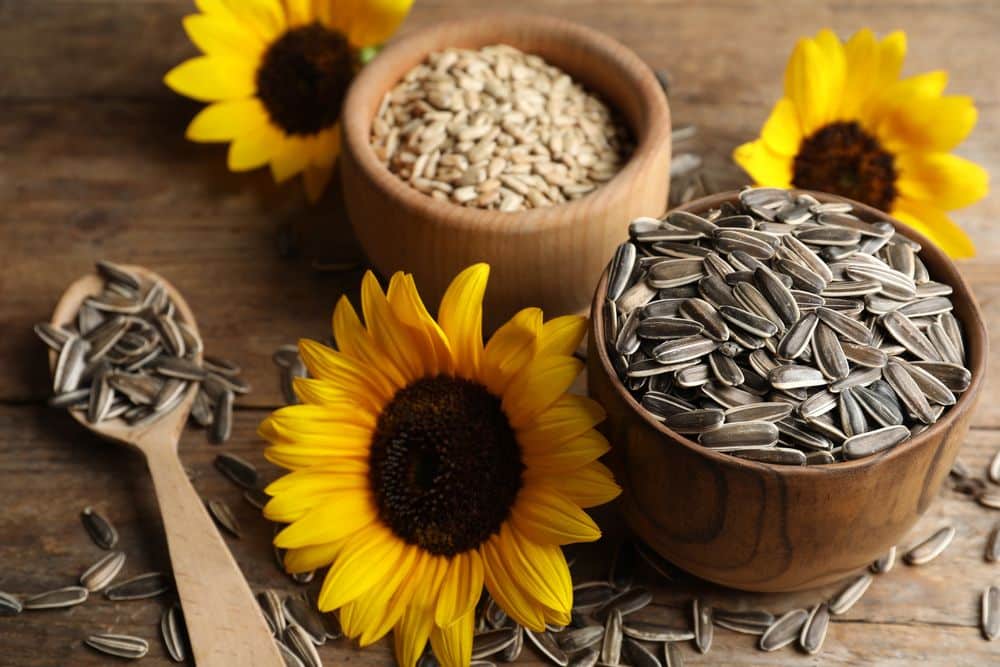
Sunflower seeds ( Helianthus annuus ) are composed of approximately 35-50% oil, 20-30% protein, 15-25% carbohydrate (primarily cellulose and hemicellulose in the hull), and 5-10% moisture. The oil is rich in linoleic acid (an omega-6 fatty acid), oleic acid (an omega-9 fatty acid), and vitamin E. Protein content varies based on variety but includes essential amino acids. The hull, while providing structural integrity, contains anti-nutritional factors like phytates that can affect mineral bioavailability. Manufacturing begins with seed selection – high-oleic varieties are preferred for increased oxidative stability. Cleaning removes debris (stalks, leaves, stones). Drying to ~8-10% moisture is crucial to prevent mold growth and rancidity. Dehulling, a critical step, mechanically removes the hull. This is where Whole30 compliance is first significantly tested, requiring dedicated equipment to prevent cross-contamination with grains or legumes processed on the same lines. Roasting, often employed for flavor development, must be carefully controlled to avoid excessive heat-induced acrylamide formation. Cooling and packaging in airtight, moisture-barrier materials are final steps. Key parameter control includes moisture content monitoring during drying, consistent dehulling pressure to minimize kernel damage, and temperature control during roasting. The physical properties of the seed coat (tensile strength, flexibility) influence dehulling efficiency, and the oil content dictates the rate of rancidity development.
Performance & Engineering
The performance of sunflower seeds as a Whole30 compliant food hinges on maintaining oil quality and preventing microbial contamination. Oxidative rancidity, driven by lipid peroxidation, is a primary concern. This is quantified by peroxide value (PV) and anisidine value (AV), with lower values indicating better quality. Environmental resistance is related to moisture barrier properties of packaging; high relative humidity accelerates rancidity. Compliance requirements dictate zero tolerance for non-compliant ingredients (sugar, grains, legumes, dairy, carrageenan, sulfites). Force analysis is critical during dehulling – excessive force damages kernels, increasing free fatty acid (FFA) content and susceptibility to oxidation. Packaging engineering focuses on creating a hermetic seal to minimize oxygen exposure. Shelf-life studies, accelerated aging tests (elevated temperature and humidity), and microbiological testing are essential to validate product stability. Whole30 certification requires independent verification of ingredient lists and manufacturing processes by a third-party auditor. The mechanical strength of the seed kernels impacts processing efficiency during handling and packaging. The thermal stability of vitamins and other bioactive compounds within the seeds also impacts performance over time.
Technical Specifications
| Parameter | Specification | Test Method | Whole30 Relevance |
|---|---|---|---|
| Moisture Content | ≤ 10% | AOAC 925.10 | Prevents mold growth, rancidity. |
| Oil Content | 40-50% | AOAC 920.85 | Affects texture, flavor, shelf-life. |
| Peroxide Value (PV) | ≤ 5 meq O2/kg | AOCS Cd 8-53 | Indicates level of oxidation. |
| Anisidine Value (AV) | ≤ 20 | AOCS Cd 8-53 | Confirms oxidation levels. |
| Free Fatty Acid (FFA) | ≤ 0.5% | AOCS Cd 3-63 | Indicates lipid degradation. |
| Whole30 Compliance | 100% Compliant | Third-party Audit | Ensures adherence to Whole30 rules. |
Failure Mode & Maintenance
Common failure modes include rancidity (oxidative degradation of lipids), microbial contamination (mold growth, bacterial proliferation), hull fragments remaining in the kernels, and physical damage (cracked or broken kernels). Rancidity is accelerated by exposure to oxygen, light, and heat. Microbial contamination is linked to inadequate drying or improper sanitation. Hull fragments reduce product appeal and can pose a choking hazard. Physical damage occurs during dehulling, handling, or packaging. Failure analysis involves examining seed samples for PV, AV, FFA, and microbial load. Root cause analysis identifies deficiencies in processing controls. Maintenance solutions include implementing a robust cleaning and sanitation program, controlling moisture content throughout processing, optimizing dehulling parameters, employing proper packaging materials with oxygen barriers, and conducting regular shelf-life studies. Preventive maintenance of processing equipment (dehuller, roaster, packaging machinery) is crucial to minimize physical damage. Proper storage conditions (cool, dry, dark) are essential to prevent rancidity and maintain product quality. A HACCP plan should be implemented to identify and control critical control points.
Industry FAQ
Q: What are the primary challenges in sourcing sunflower seeds that consistently meet Whole30 requirements?
A: The biggest challenge is preventing cross-contamination during harvesting, processing, and packaging. Many facilities handle both compliant and non-compliant ingredients (grains, legumes). Dedicated equipment, stringent cleaning protocols, and supplier verification programs are essential. Ensuring seeds haven't been treated with prohibited substances during cultivation is also crucial.
Q: How does the oil content of sunflower seeds influence their susceptibility to rancidity, and how is this mitigated?
A: Higher oil content increases the surface area exposed to oxygen, accelerating lipid peroxidation. Mitigation strategies include sourcing high-oleic varieties (more stable against oxidation), controlling moisture content, employing airtight packaging with oxygen absorbers, adding natural antioxidants (Vitamin E), and maintaining cool storage temperatures.
Q: What specific analytical tests are used to verify Whole30 compliance beyond ingredient list review?
A: Besides ingredient verification, third-party audits assess manufacturing processes to ensure no prohibited ingredients are inadvertently introduced. Analytical testing confirms the absence of prohibited substances, and tests like PV and AV monitor oil quality and oxidation levels, indicating overall product integrity.
Q: What are the key considerations when selecting packaging materials for Whole30 compliant sunflower seeds?
A: Packaging must provide a complete oxygen and moisture barrier. Materials like metallized films or high-barrier plastics are preferred. The packaging must also be free of prohibited substances (e.g., BPA, certain adhesives). Seal integrity is critical to maintain the hermetic environment.
Q: How often should shelf-life studies be conducted, and what parameters should be monitored during these studies?
A: Shelf-life studies should be conducted at least annually, or whenever there are changes to the sourcing, processing, or packaging. Parameters monitored include moisture content, oil content, PV, AV, FFA, microbial load, and sensory attributes (flavor, odor). Accelerated aging studies can provide preliminary data, but real-time studies are essential for accurate shelf-life determination.
Conclusion
Maintaining Whole30 compliance in sunflower seed supply demands meticulous attention to detail throughout the entire value chain. From seed selection and harvesting practices to advanced processing techniques and stringent quality control measures, every step must be optimized to prevent contamination and ensure product integrity. The technical considerations extend beyond basic nutritional content, encompassing the nuances of lipid oxidation, microbial stability, and packaging performance.
The future of the sunflower seed Whole30 market lies in advancements in processing technologies, sustainable sourcing practices, and enhanced analytical capabilities. Continuous monitoring, rigorous quality assurance programs, and proactive adaptation to evolving Whole30 guidelines will be essential for suppliers to maintain a competitive edge and meet the growing demands of health-conscious consumers.
