Introduction
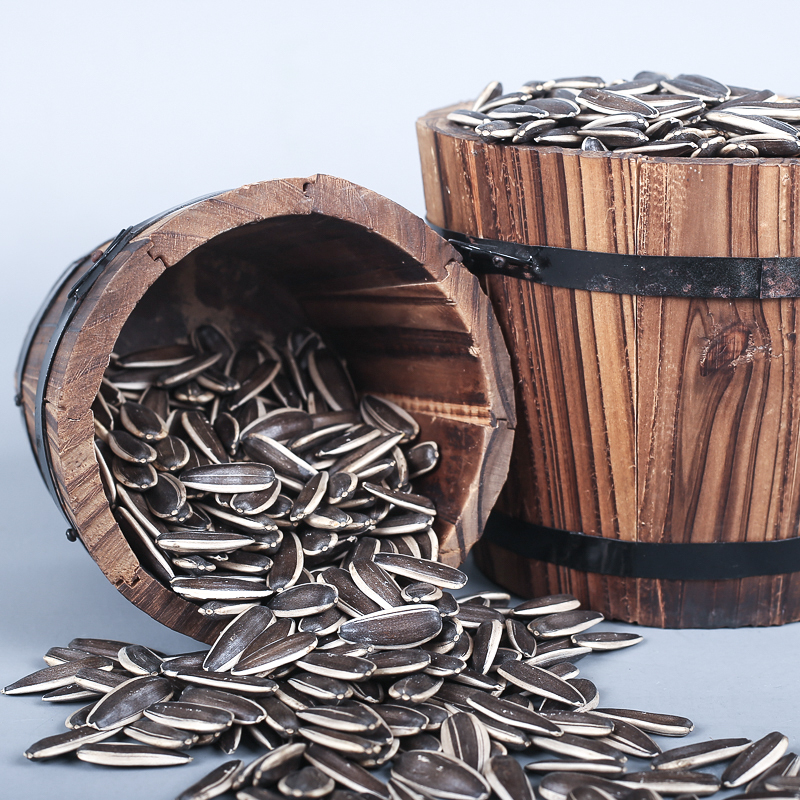
Sunflower seeds, particularly those meeting Whole30 compliance standards, represent a specialized segment within the broader edible seed market. The demand stems from the growing consumer focus on paleo-inspired and elimination diets, where strict ingredient criteria are paramount. This guide focuses on the technical aspects relevant to suppliers servicing the Whole30 program, encompassing seed quality, processing techniques, contaminant control, and regulatory adherence. Sunflower seeds, Helianthus annuus, are oleaginous crops valued for their high oil content and nutritional profile, primarily composed of unsaturated fatty acids, protein, fiber, and various micronutrients. Whole30 compliance requires seeds to be unprocessed and free of added sugars, grains, legumes, dairy, and artificial ingredients, creating unique challenges for sourcing, handling, and ensuring purity throughout the supply chain. Their technical position is as a raw agricultural product undergoing minimal processing - typically drying, dehulling, and sorting - necessitating robust quality control to maintain Whole30 acceptability. Core performance characteristics crucial to this market include oil content, kernel size, moisture content, and the absence of mycotoxins and allergenic compounds.
Material Science & Manufacturing
Sunflower seed composition varies significantly based on genotype, growing conditions, and harvesting practices. The kernel consists primarily of lipids (40-50%), proteins (20-25%), carbohydrates (15-20%), and fiber (5-10%). Lipids are dominated by linoleic acid (omega-6) and oleic acid (omega-9) influencing oxidative stability and shelf life. Protein quality is assessed by amino acid profile, impacting nutritional value. Manufacturing begins with harvesting, followed by drying to reduce moisture content to approximately 8-10% to prevent mold growth and enzymatic degradation. Drying employs forced-air systems, carefully controlled to avoid overheating which damages oil quality and protein structure. Dehulling, a crucial step, removes the fibrous hull, increasing edibility and enhancing processing efficiency. Mechanical dehulling is predominant, employing impact or friction methods, requiring precise calibration to minimize kernel damage. Sorting separates kernels by size and removes foreign material using screens, optical sorters, and density separators. Key parameters during manufacturing include temperature control (drying), dehulling pressure/impact force, and sorting accuracy. Seed oil content is impacted by drying temperature - excessive heat leads to lipid oxidation. Hull removal efficiency is critical as residual hull fragments can indicate incomplete processing and affect texture. The presence of conjugated linoleic acid (CLA) isomers, a naturally occurring fatty acid, also contributes to the seeds’ health benefits, but its concentration is affected by growing conditions and processing.
Performance & Engineering
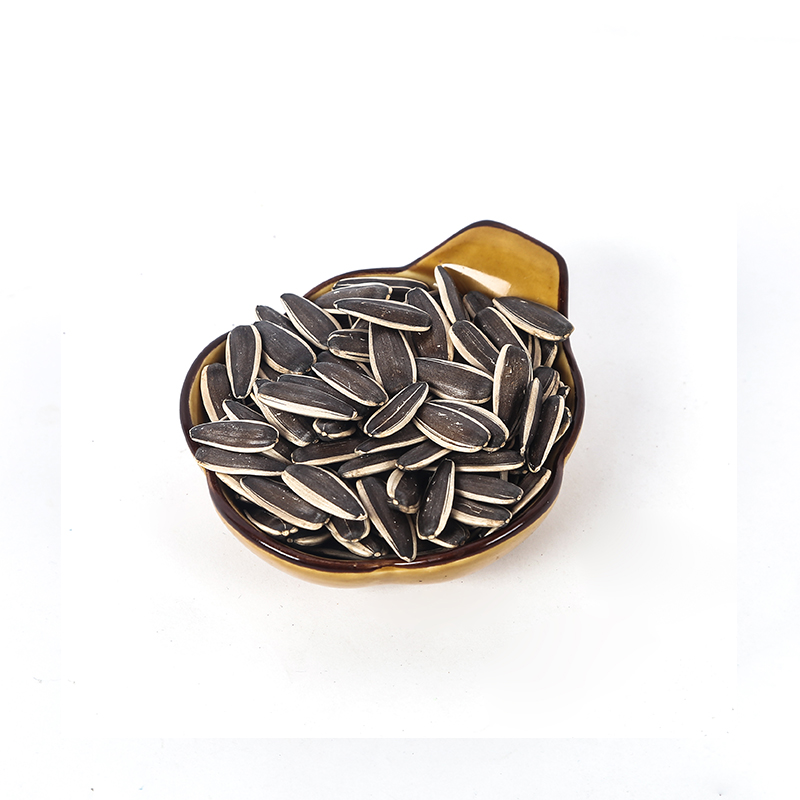
Performance is defined by several key factors crucial for Whole30 compliance. Moisture content must remain below 10% to inhibit microbial growth and maintain product stability. Oil rancidity, measured by peroxide value (PV) and anisidine value (AV), is a primary concern. These values quantify the degree of oxidation, impacting flavor and nutritional quality. Force analysis is relevant to dehulling efficiency: optimal hull removal requires controlled impact or frictional forces to minimize kernel breakage. Environmental resistance is primarily related to packaging integrity – effective barrier properties against oxygen, moisture, and light are essential to prevent oxidation and maintain seed viability. Compliance requirements necessitate adherence to Whole30’s strict ingredient list, excluding any added sugars, artificial sweeteners, grains, legumes, or dairy. Allergen control is critical, ensuring minimal cross-contamination with common allergens. Functional implementation involves proper storage conditions – cool, dry, and dark environments – to maximize shelf life. Seed density impacts sorting efficiency and packaging weight. The structural integrity of the kernel determines its resistance to cracking during processing and handling. Packaging materials must be BPA-free and not leach any harmful substances into the seeds, which are directly consumed. Furthermore, the seeds must meet specific aflatoxin levels, a potent mycotoxin produced by Aspergillus fungi, as defined by regulatory bodies.
Technical Specifications
| Parameter | Unit | Specification | Test Method |
|---|---|---|---|
| Moisture Content | % | ≤ 10.0 | AOAC 925.10 |
| Oil Content | % | ≥ 40.0 | SOXTEC Method |
| Kernel Size (Average Diameter) | mm | 8-12 | Sieve Analysis |
| Broken Kernel Percentage | % | ≤ 5.0 | Visual Inspection |
| Peroxide Value (PV) | meq O2/kg | ≤ 5.0 | AOCS Cd 8-53 |
| Anisidine Value (AV) | units | ≤ 15.0 | AOCS Cd 8-53 |
| Aflatoxin B1 | ppb | ≤ 20 | HPLC with fluorescence detection |
Failure Mode & Maintenance
Failure modes in sunflower seeds relate to quality degradation and loss of Whole30 compliance. Rancidity, caused by lipid oxidation, is a primary failure mechanism, resulting in off-flavors and reduced nutritional value. This is exacerbated by exposure to oxygen, light, and elevated temperatures. Physical damage during dehulling and sorting leads to broken kernels, reducing product appeal and increasing susceptibility to oxidation. Moisture absorption during storage promotes mold growth and mycotoxin production, rendering the seeds unsafe for consumption. Contamination with foreign materials (stones, plant debris) presents a physical hazard. Delamination, the separation of the kernel from the hull fragment, indicates improper dehulling or handling. Maintenance focuses on preventative measures. Proper drying and storage are crucial - maintaining low moisture content and minimizing exposure to oxygen and light. Regular monitoring of peroxide value and aflatoxin levels is essential for quality control. Calibration of dehulling and sorting equipment is vital to minimize kernel damage. Implementation of a robust sanitation program prevents microbial contamination. Packaging materials should provide an effective barrier against moisture and oxygen. Routine inspections of storage facilities detect and address potential contamination sources. Traceability systems are crucial to identify and isolate affected batches in case of a quality issue. Effective pest control minimizes the risk of insect damage and mycotoxin contamination.
Industry FAQ
Q: What are the key differences between high-oleic and linoleic sunflower seeds regarding Whole30 suitability?
A: While both are acceptable for Whole30, high-oleic varieties possess greater oxidative stability due to their higher oleic acid content. This translates to a longer shelf life and reduced rancidity potential, improving product quality. Linoleic seeds, with their higher linoleic acid content, are more prone to oxidation, requiring more stringent storage and handling conditions to maintain Whole30 compliance. Therefore, high-oleic varieties are often preferred by suppliers targeting the Whole30 market.
Q: How do you ensure the absence of prohibited ingredients (e.g., added sugars) during the processing of sunflower seeds for Whole30?
A: We implement a strict vendor qualification program, requiring suppliers to provide detailed ingredient lists and certificates of analysis confirming the absence of prohibited substances. Our facility employs dedicated processing lines for Whole30-compliant seeds, minimizing the risk of cross-contamination. Regular audits and raw material testing are conducted to verify compliance. We also maintain meticulous documentation of all processing steps and ingredient sourcing.
Q: What are the acceptable limits for aflatoxin and other mycotoxins in sunflower seeds destined for Whole30 compliant products?
A: The acceptable limit for Aflatoxin B1 is ≤ 20 ppb, aligning with regulatory standards (FDA/EU). We also monitor for other mycotoxins like Ochratoxin A and Fumonisins, although specific limits are not explicitly defined by Whole30, we adhere to best practices and regulatory guidelines to ensure safety.
Q: What specific quality control measures are in place to minimize broken kernels and foreign material contamination?
A: We utilize advanced optical sorting technology to remove broken kernels, hulls, and foreign materials. Our dehulling equipment is regularly calibrated to optimize hull removal while minimizing kernel damage. In-process quality checks are conducted at multiple stages, and final product inspection verifies adherence to our quality standards (≤ 5% broken kernels, minimal foreign material).
Q: Can you provide documentation demonstrating traceability of sunflower seeds from farm to finished product?
A: Yes, we maintain a comprehensive traceability system, recording lot numbers, harvest dates, supplier information, processing details, and quality control data throughout the entire supply chain. This allows us to trace seeds back to their origin, ensuring accountability and enabling rapid response in case of a quality issue.
Conclusion
Sunflower seeds intended for the Whole30 market demand a meticulous approach to sourcing, processing, and quality control. Maintaining Whole30 compliance requires strict adherence to ingredient restrictions, vigilant monitoring of critical parameters like moisture content and oil rancidity, and a robust traceability system. Successful suppliers must prioritize not only achieving nutritional specifications but also proactively mitigating potential failure modes related to oxidation, contamination, and physical damage.
The future of sunflower seed supply for Whole30 is contingent on advancements in seed breeding for improved oil stability, the implementation of more sophisticated quality control technologies (e.g., hyperspectral imaging for mycotoxin detection), and a heightened emphasis on sustainable agricultural practices. Continuous improvement in these areas will ensure a reliable supply of high-quality, compliant sunflower seeds to meet the growing demands of the health-conscious consumer.
