Introduction
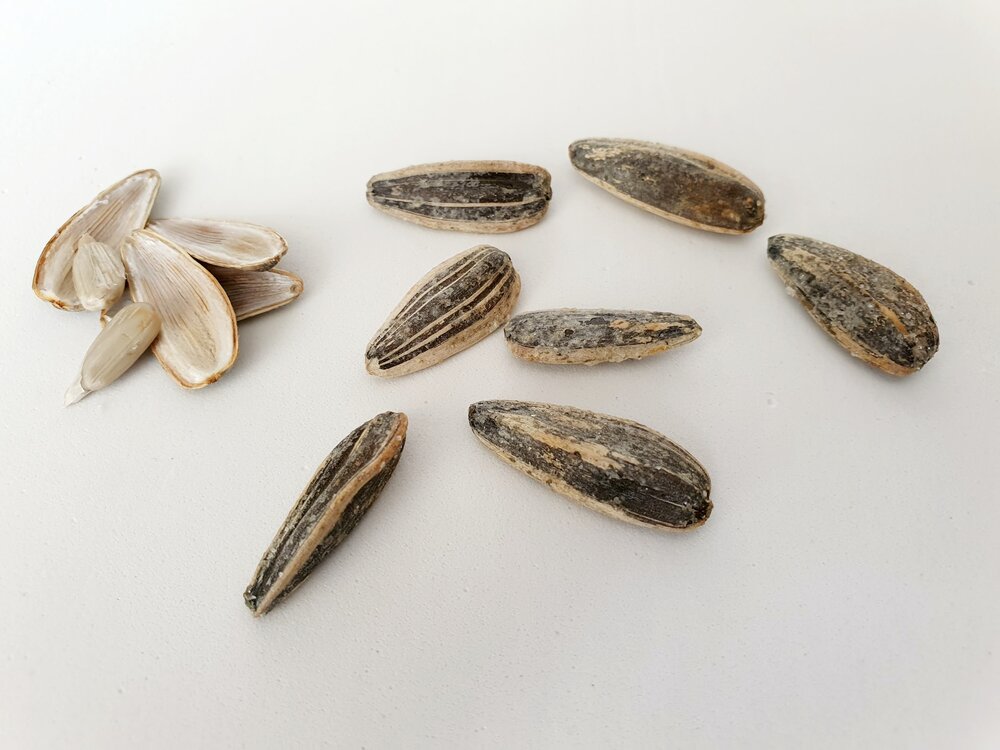
Sunflower seeds, Helianthus annuus, represent a significant commodity in the global agricultural market, increasingly focused on specialized cultivars for human consumption, confectionery, and oil production. This technical guide focuses on the parameters defining ‘unique’ sunflower seeds, specifically those exported for premium quality applications. The defining characteristic of “unique” encompasses not merely variety, but precisely controlled genetic traits, growth conditions, post-harvest processing, and storage protocols. These seeds occupy a specialized niche, demanding rigorous quality control exceeding standard agricultural grade classifications. This document will detail the material science of seed composition, manufacturing processes impacting quality, performance benchmarks relating to oil content and protein levels, potential failure modes impacting market value, and applicable international standards governing export.
Material Science & Manufacturing
The fundamental material science of sunflower seeds revolves around their complex biochemical composition. The seed consists of several key components: the kernel (cotyledon), representing approximately 65-85% of the seed mass, containing primarily lipids (oil), proteins, and carbohydrates; the hull (pericarp), constituting 15-35% and providing structural integrity; and minor components like fiber, ash, and moisture. Lipid composition is dominated by linoleic acid (approximately 60-75%), oleic acid (15-30%), and palmitic acid (4-8%). Protein content varies with variety, ranging from 18-25%, comprised of essential amino acids. Manufacturing begins with cultivar selection optimized for desired oil profile, protein content, and kernel size. Cultivation requires precise control of soil composition (pH 6.0-7.5, loamy soil preferred), irrigation, and fertilization. Harvest timing is critical - premature harvesting results in lower oil accumulation, while delayed harvest leads to seed shattering and increased susceptibility to fungal infection. Post-harvest processing involves cleaning, drying (to a moisture content of 8-10% to inhibit mold growth), dehulling (mechanical or chemical), grading by size and density, and finally, optical sorting to remove discolored or damaged seeds. Parameter control during drying is paramount, utilizing controlled temperature (45-60°C) and airflow to prevent thermal degradation of oils. Dehulling efficiency significantly impacts final product quality; incomplete dehulling increases hull content, reducing oil yield and sensory appeal. Seed coating with food-grade polymers may be employed to enhance shelf life and protect against insect infestation.
Performance & Engineering
Performance evaluation of unique sunflower seeds centers on three primary engineering characteristics: physical strength, oil extraction efficiency, and shelf life stability. Physical strength, assessed through kernel hardness testing (using a penetrometer) is directly correlated to resistance to cracking during processing and handling. Higher hardness indicates better structural integrity and reduced dust generation. Oil extraction efficiency is determined via Soxhlet extraction, quantifying the percentage of oil yielded from a given seed mass. Premium seeds typically exhibit >50% oil content. Force analysis of seed cracking during dehulling reveals the optimal force required to separate the kernel from the hull without damaging the kernel. Environmental resistance concerns primarily relate to moisture uptake and oxidation. The hull’s barrier properties (water vapor transmission rate, WVTR) are crucial for preventing mold growth during storage. Antioxidant levels within the kernel (measured via DPPH assay) determine resistance to lipid peroxidation, a key factor impacting oil quality and rancidity. Compliance requirements dictate adherence to maximum allowable levels of heavy metals (lead, cadmium, mercury) as defined by importing country regulations. Packaging materials are engineered to provide a hermetic seal, minimizing oxygen exposure and maintaining low humidity. Functional implementation considers end-use applications: confectionery seeds require uniform size and shape; oilseed varieties prioritize oil content and purity; and sproutable seeds must exhibit high germination rates (assessed via standardized germination tests).
Technical Specifications
| Parameter | Unit | Typical Range (Premium Confectionery) | Typical Range (High Oleic Oilseed) |
|---|---|---|---|
| Kernel Size (Diameter) | mm | 12-16 | 10-14 |
| Oil Content | % (Dry Weight) | 48-55 | 58-70 |
| Protein Content | % (Dry Weight) | 20-25 | 18-22 |
| Linoleic Acid Content | % of Total Fatty Acids | 50-65 | <20 |
| Oleic Acid Content | % of Total Fatty Acids | 20-35 | 60-80 |
| Moisture Content | % | <9 | <8 |
Failure Mode & Maintenance
Sunflower seed failure modes are diverse and impact both pre- and post-harvest stages. Pre-harvest failures include fungal infection (e.g., Sclerotinia, Rhizopus) leading to seed rot and mycotoxin contamination. Insect infestation (e.g., sunflower weevils) causes direct seed damage and reduces germination rates. Post-harvest failures involve lipid oxidation resulting in rancidity and off-flavors, accelerated by exposure to oxygen, light, and high temperatures. Fatigue cracking can occur during handling and processing due to stress concentration. Delamination of the kernel from the hull can lead to loss of seed integrity and reduced oil yield. Microbial spoilage, even with low initial moisture content, can occur under high humidity conditions. Maintenance strategies focus on preventative measures. Proper drying and storage are critical – maintaining low temperature (<15°C) and humidity (<65%) significantly retards oxidation and microbial growth. Insect control measures (e.g., fumigation, controlled atmosphere storage) are essential. Packaging should employ barrier materials to minimize oxygen permeation. Regular quality control checks, including oil acidity measurements and mycotoxin analysis, are crucial for detecting early signs of degradation. Proper cleaning of processing equipment prevents cross-contamination. Implementing a robust traceability system allows for rapid identification and isolation of affected seed batches.
Industry FAQ
Q: What is the significance of oleic acid content in sunflower oil, and how does it impact shelf life?
A: Higher oleic acid content increases the oxidative stability of the oil. Oleic acid is a monounsaturated fatty acid, less prone to peroxidation than polyunsaturated fatty acids like linoleic acid. High-oleic sunflower oil resists rancidity for a longer period, extending shelf life and reducing the need for synthetic antioxidants.
Q: How does the hull percentage affect the overall quality and market value of the seeds?
A: A higher hull percentage reduces the proportion of valuable kernel material, directly decreasing oil yield and sensory quality (in confectionery applications). Increased hull content also elevates the cost of processing and requires more energy for dehulling. Consequently, seeds with a lower hull percentage command a higher market price.
Q: What are the critical factors to consider when selecting packaging materials for long-term storage of sunflower seeds?
A: Packaging materials must provide a robust barrier against oxygen, moisture, and light. Multi-layer films incorporating aluminum foil or metallized polymers are commonly used. The packaging should also be impermeable to insect pests and possess sufficient mechanical strength to withstand handling and transportation. Food-grade certification is mandatory.
Q: What are the typical analytical methods used to assess the quality of exported sunflower seeds?
A: Standard analytical methods include moisture content determination (oven drying), oil content analysis (Soxhlet extraction), protein content determination (Kjeldahl method), fatty acid profile analysis (gas chromatography), and mycotoxin analysis (HPLC or ELISA). Germination tests assess seed viability for sproutable varieties. Physical parameters like kernel size and density are evaluated using sieving and density gradient separation.
Q: What are the implications of varying harvest times on the final seed quality parameters?
A: Harvesting too early results in lower oil accumulation and potentially smaller kernel size. Harvesting too late increases the risk of seed shattering, fungal infection, and bird damage. Optimal harvest time balances maximizing oil content and minimizing pre-harvest losses. A moisture content of 18-20% in the kernel is generally considered ideal for initiating harvest.
Conclusion
The production of ‘unique’ sunflower seeds for export demands a sophisticated understanding of material science, precise manufacturing control, and adherence to stringent quality standards. Optimizing cultivar selection, growth conditions, and post-harvest processing are critical for maximizing oil content, protein levels, and shelf life stability. Effective implementation of quality control measures, coupled with appropriate packaging and storage protocols, minimizes failure modes and preserves the value of the product.
Future development in this sector will likely focus on genetic engineering to enhance oil profiles (e.g., increasing oleic acid content), improving disease resistance, and optimizing kernel characteristics for specific end-use applications. Sustainable agricultural practices, minimizing water usage and pesticide application, will become increasingly important to meet consumer demands and regulatory requirements. Continued investment in analytical technologies will enable more precise quality assessment and traceability throughout the supply chain.
