
Introduction
Sunflower seed processing represents a critical intersection of agricultural science, food technology, and industrial engineering. Unique Sunflower Seeds Factory operates within this domain, specializing in the post-harvest handling, processing, and preparation of sunflower seeds for diverse end applications including human consumption, oil extraction, and animal feed. The industry faces stringent demands for seed quality, consistent kernel content, minimal foreign material, and efficient processing yields. This guide provides an in-depth examination of the material science, manufacturing processes, performance criteria, potential failure modes, and relevant industry standards governing sunflower seed processing operations. Core to the industry’s challenges are maintaining seed viability during processing, preventing lipid oxidation leading to rancidity, and ensuring adherence to food safety regulations governing mycotoxin levels and microbiological contamination.
Material Science & Manufacturing
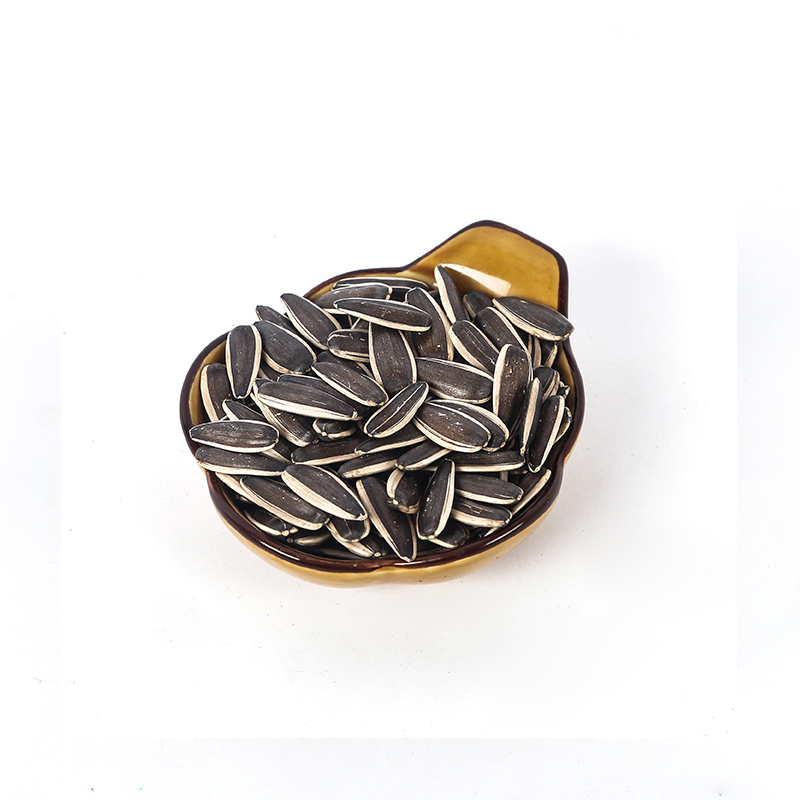
The primary raw material, Helianthus annuus seeds, exhibit complex physical and chemical properties. The seed’s hull, or pericarp, is composed primarily of cellulose and lignin, providing structural integrity. Kernel composition includes approximately 40-50% oil (primarily linoleic acid, oleic acid, and palmitic acid), 20-30% protein, and 15-20% carbohydrates. Manufacturing begins with harvesting, followed by drying to reduce moisture content to approximately 9-10% – a critical parameter to prevent fungal growth and maintain seed viability. Cleaning operations employ air separation, screening, and magnetic separation to remove debris, chaff, and metallic contaminants. Dehulling, often employing impact dehullers or abrasive dehullers, removes the outer pericarp. Kernel sizing is then achieved through screens and gravity separators, classifying seeds based on size and density. Thermal processing, including roasting or steaming, may be applied to enhance flavor and improve oil yield. Packaging utilizes materials with low oxygen transmission rates to preserve freshness. Parameter control during drying is paramount; temperature must be carefully monitored to avoid protein denaturation and lipid oxidation. Dehulling efficiency is assessed by measuring the percentage of unhulled seeds and kernel damage. Oil extraction, if applicable, employs mechanical pressing or solvent extraction (typically hexane), followed by refining, bleaching, and deodorizing.
Performance & Engineering
Sunflower seed processing performance is governed by several key engineering principles. Material handling systems require careful design to minimize seed damage and maintain throughput. Impact forces during dehulling must be optimized to avoid kernel cracking. Airflow dynamics in cleaning and drying systems must ensure uniform processing and prevent seed stratification. Heat transfer analysis is crucial in drying operations to ensure efficient moisture removal without compromising seed quality. Equipment design must account for abrasive wear from seed impacts and dust generation. Environmental resistance is primarily focused on dust control and corrosion prevention in humid environments. Compliance requirements revolve around food safety standards (HACCP, GMP), and potential regulations concerning solvent residue levels (for oil extraction). Functional implementation includes precise control of process parameters (temperature, airflow, dehulling pressure) through automated control systems and real-time monitoring. The mechanical strength of seed handling equipment, particularly rollers and augers, dictates their lifespan and maintenance requirements, subject to wear analysis based on seed volume processed.
Technical Specifications
| Seed Moisture Content (Wet Basis) | Kernel Oil Content (%) | Foreign Material (%) | Kernel Damage (%) |
|---|---|---|---|
| 9-10% | 45-55% | < 1.0% | < 5.0% |
| Kernel Size (mm) | Hull Content (%) | Free Fatty Acids (FFA) (%) | Peroxide Value (meq O2/kg) |
| 10-16mm | < 8.0% | < 0.5% | < 5.0 |
| Aflatoxin B1 (ppb) | Bulk Density (kg/m3) | Dehulling Efficiency (%) | Seed Viability (%) |
| < 5 ppb | 600-800 | > 95% | > 85% |
| Dust Content (mg/m3) | Temperature During Drying (°C) | Airflow Rate (m3/hr) | Processing Capacity (tons/hr) |
| < 10 | 40-60 | 5000-10000 | 5-20 |
Failure Mode & Maintenance
Sunflower seed processing equipment is susceptible to various failure modes. Dehullers experience wear on impact plates and abrasive surfaces, leading to reduced efficiency and increased kernel damage. Screens can become clogged or damaged, affecting seed sizing accuracy. Conveyors may suffer from bearing failure or belt wear. Drying systems can experience fan motor failure or duct blockage. A primary failure mode of the seeds themselves is lipid oxidation, leading to rancidity and reduced oil quality, accelerated by high temperatures and exposure to oxygen. Another is mycotoxin contamination, particularly from Aspergillus species, influenced by moisture levels and storage conditions. Maintenance strategies include regular inspection of wear parts, lubrication of moving components, cleaning of screens and ducts, and monitoring of seed moisture content. Preventative maintenance schedules should incorporate bearing replacements, belt adjustments, and fan motor servicing. Temperature and humidity control in storage areas are essential to mitigate lipid oxidation and mycotoxin growth. Regular sampling and testing for aflatoxins are crucial for ensuring food safety. Ultrasonic inspection can detect cracks in dehuller components before catastrophic failure.
Industry FAQ
Q: What is the optimal moisture content range for sunflower seeds prior to oil extraction, and why is it critical?
A: The optimal moisture content range for sunflower seeds prior to oil extraction is typically 9-10%. Lower moisture content increases the efficiency of mechanical pressing, resulting in higher oil yields. Higher moisture content can lead to increased energy consumption during heating and can potentially cause issues with seed friability, hindering efficient oil release. Maintaining this range also minimizes the risk of fungal growth and mycotoxin production during storage.
Q: How does the choice of dehulling method (impact vs. abrasive) affect kernel quality and processing efficiency?
A: Impact dehulling is generally faster and more suitable for large-scale processing, but can result in higher levels of kernel damage if not carefully controlled. Abrasive dehulling is gentler on the kernels, leading to lower damage rates, but is typically slower and may require more energy. The optimal choice depends on the desired kernel quality and processing throughput. Abrasive dehulling tends to produce a cleaner, less fragmented kernel, valuable for whole-seed applications.
Q: What are the key preventative measures to control aflatoxin contamination in sunflower seeds?
A: Controlling aflatoxin contamination requires a multi-faceted approach. Proper pre-harvest practices, including managing insect infestations in the field, are essential. Post-harvest, rapid and thorough drying to below 10% moisture content is critical. Proper storage in clean, dry, and well-ventilated facilities is crucial. Regular testing for aflatoxin levels, and segregation of contaminated batches, is also necessary. Implementing a robust HACCP plan with critical control points focused on moisture control and storage conditions is recommended.
Q: What is the significance of the peroxide value in assessing sunflower seed and oil quality?
A: The peroxide value (PV) is a primary indicator of lipid oxidation, and therefore, the degree of rancidity in sunflower seeds and oil. A higher PV indicates a greater level of oxidation, meaning the oil is deteriorating and losing its nutritional value and developing off-flavors. Monitoring PV is crucial for assessing oil quality during processing and storage, and for determining shelf life. Industry standards specify maximum acceptable PV levels for sunflower oil.
Q: How can dust control systems be optimized to maintain a safe and efficient processing environment?
A: Optimizing dust control involves a combination of strategies. Enclosing dust-generating equipment, such as dehullers and screens, is a primary step. Implementing effective ventilation systems with dust collectors (cyclones, bag filters) is essential. Regular cleaning of processing areas to remove accumulated dust is also important. Using dust suppression techniques, such as misting systems, can reduce airborne dust levels. Adhering to occupational safety regulations regarding dust exposure limits is paramount. Properly grounded equipment prevents static electricity build-up which can ignite dust clouds.
Conclusion
Sunflower seed processing is a complex industrial operation reliant on a nuanced understanding of material science, engineering principles, and stringent quality control. Maintaining optimal moisture content, minimizing kernel damage, and preventing lipid oxidation are paramount for maximizing yield and ensuring product safety and quality. Successful operation requires proactive maintenance strategies focused on wear part replacement, dust control, and comprehensive monitoring of critical process parameters.
Future advancements in the field are likely to focus on improving dehulling efficiency, developing more robust dust control systems, and implementing advanced sensor technologies for real-time monitoring of seed quality. Further research into novel drying techniques and packaging materials that extend shelf life and preserve nutritional value will also be crucial for meeting the evolving demands of the food industry.
