Introduction
Unique sunflower seed manufacturers represent a specialized segment within the agricultural processing industry. Positioned between primary agricultural production and consumer packaged goods, these manufacturers focus on the post-harvest handling, processing, and value-addition of sunflower seeds ( Helianthus annuus). Their role extends beyond simple cleaning and grading to encompass dehulling, sizing, coating, roasting, flavoring, and packaging for diverse end-use applications, including direct consumption snacks, confectionery ingredients, bird feed, and oilseed preparation. Core performance characteristics defining quality are kernel integrity, oil content, protein profile, moisture levels, and absence of foreign material. The industry faces critical challenges relating to maintaining seed viability during storage, optimizing processing efficiency to minimize kernel damage, and consistently meeting stringent food safety regulations. This guide provides a comprehensive technical overview of the material science, manufacturing processes, performance parameters, failure modes, and relevant standards governing the production of unique sunflower seeds.
Material Science & Manufacturing
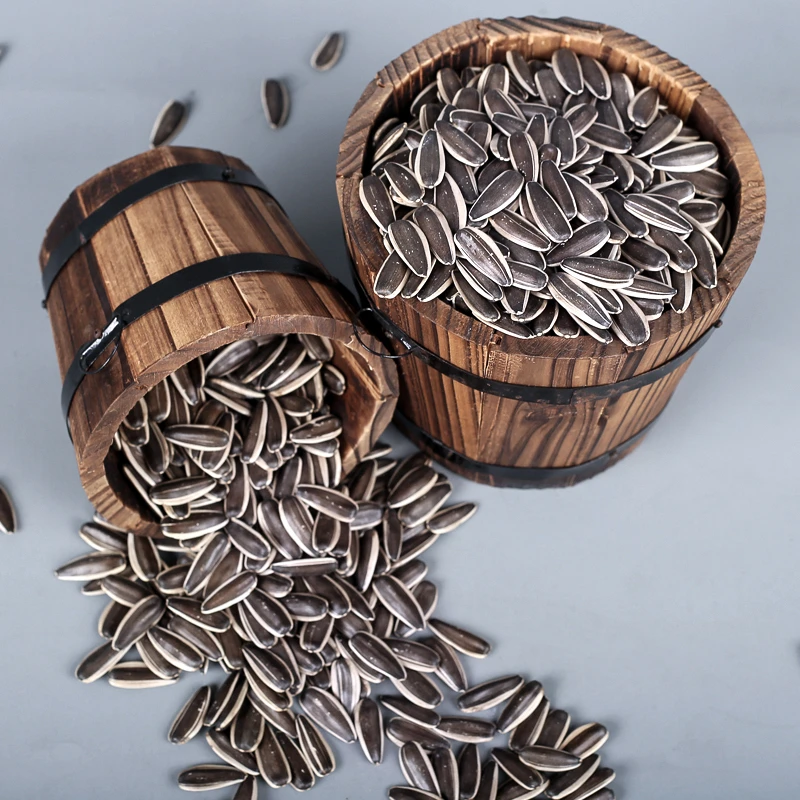
Sunflower seeds are botanically dicots, characterized by a pericarp (hull) protecting the kernel containing the embryo, endosperm (storage tissue rich in oil and protein), and seed coat. The hull comprises cellulose, hemicellulose, and lignin, providing structural integrity but requiring removal for most human consumption applications. Kernels are predominantly composed of lipids (40-55% by weight, primarily linoleic and oleic acids), proteins (18-25% by weight, including globulins and albumins), carbohydrates (around 15-20%, primarily starch), and fiber. Moisture content is critical, ideally maintained between 8-10% to prevent fungal growth and rancidity.
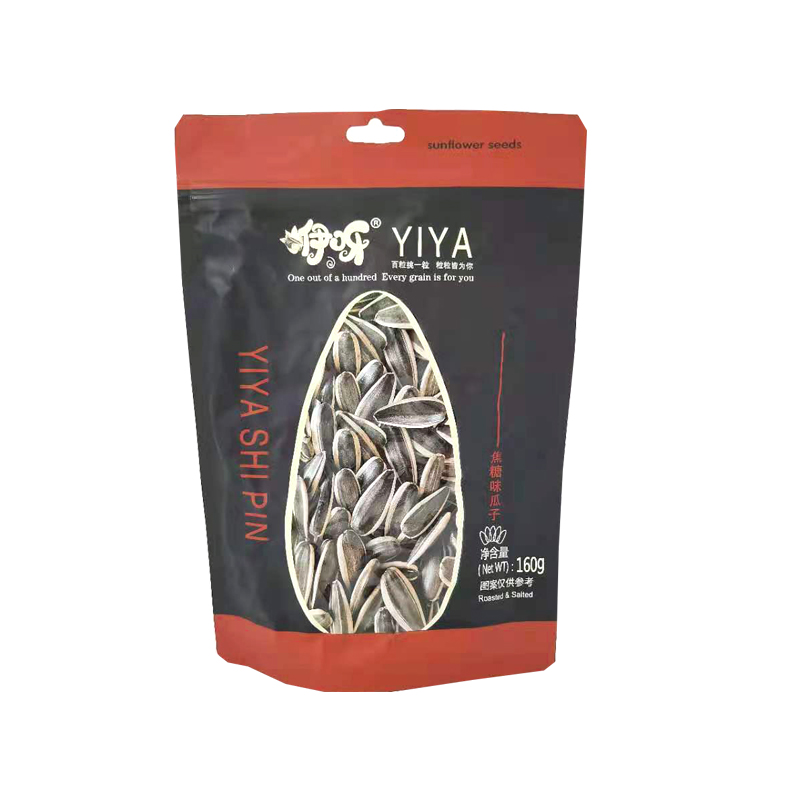
Manufacturing typically involves several stages: Harvesting & Drying: Initial drying to 9-12% moisture is crucial, often utilizing forced-air drying systems to prevent thermal damage to oil quality. Cleaning & Grading: Removal of stems, leaves, dirt, and foreign material through screening, aspiration, and gravity separation. Grading is based on kernel size, shape, and density. Dehulling: This is a critical step using impact dehullers or roller dehullers. Impact dehullers rely on controlled collisions, while roller dehullers use friction between rotating rollers. Parameter control focuses on roller gap, rotational speed, and seed feed rate to minimize kernel damage. Sizing & Sorting: Kernels are classified into size grades using screens or optical sorting technologies. Roasting & Flavoring (optional): Roasting enhances flavor and texture, with temperature and duration critical to prevent oil degradation. Flavoring involves coating with salt, spices, or other seasonings. Coating (optional): Coatings are applied to improve shelf life, appearance, and texture. Coating materials can include starches, sugars, and gums. Packaging: Seeds are packaged in moisture-proof materials (e.g., multilayer films, metallized laminates) under modified atmosphere (MAP) to extend shelf life.
Performance & Engineering
The performance of sunflower seeds is intrinsically linked to their physical and chemical properties. Hulling Efficiency: The percentage of kernels successfully separated from hulls directly impacts yield and processing cost. Optimization requires balancing dehulling force with kernel fragility. Kernel Integrity: Measured as the percentage of whole, undamaged kernels. Damage leads to increased oil oxidation and reduced market value. Oil Content: Determined by solvent extraction (e.g., hexane) and expressed as a percentage by weight. Higher oil content generally commands a premium price. Moisture Content: Critical for storage stability, measured by oven drying methods. Excessive moisture promotes mold growth and aflatoxin contamination.
Force Analysis: Dehulling force is a key engineering parameter. Excessive force causes kernel fracturing, while insufficient force leaves hulls attached. Environmental Resistance: Seeds are susceptible to oxidation, rancidity, and insect infestation. Packaging materials and modified atmosphere packaging (MAP) mitigate these effects. Temperature and humidity control during storage are paramount. Compliance Requirements: Manufacturers must adhere to food safety regulations, including HACCP (Hazard Analysis and Critical Control Points), GMP (Good Manufacturing Practices), and relevant national and international standards regarding mycotoxin levels (aflatoxins, ochratoxins) and pesticide residues.
Technical Specifications
| Parameter | Unit | Typical Range (Oilseed Variety) | Typical Range (Confectionery Variety) |
|---|---|---|---|
| Oil Content | % (Dry Weight Basis) | 48-55 | 40-48 |
| Protein Content | % (Dry Weight Basis) | 18-25 | 20-28 |
| Moisture Content | % | 8-10 | 8-10 |
| Kernel Size (Diameter) | mm | 8-12 | 10-16 |
| Hulling Rate | % | >95 | >98 |
| Free Fatty Acid (FFA) | % (Oleic Acid Basis) | <0.5 | <0.3 |
Failure Mode & Maintenance
Sunflower seeds are susceptible to various failure modes impacting quality and shelf life. Kernel Cracking/Fracturing: Caused by excessive dehulling force, impact during handling, or improper drying. Mitigation involves optimizing dehulling parameters and gentle handling practices. Rancidity: Resulting from lipid oxidation, accelerated by heat, light, and oxygen exposure. Prevention relies on antioxidant additives (e.g., Vitamin E), proper packaging (MAP), and controlled storage temperatures. Mold Growth & Mycotoxin Contamination: Occurs under high moisture conditions. Strict moisture control during drying and storage is essential. Regular monitoring for aflatoxins and other mycotoxins is critical. Insect Infestation: Stored product pests can infest seeds, leading to quality loss and contamination. Proper sanitation, hermetic sealing, and controlled atmosphere storage are key preventative measures. Hulling Incompleteness: Residual hull fragments reduce aesthetic appeal and can affect processing. Optimization of dehulling equipment and process parameters is needed.
Maintenance: Regular inspection and cleaning of processing equipment (dehullers, graders, roasters) are crucial. Lubrication of moving parts prevents wear and tear. Calibration of sensors and control systems ensures accurate parameter control. Periodic replacement of worn components minimizes downtime and maintains processing efficiency. Storage facilities require regular cleaning and pest control measures.
Industry FAQ
Q: What are the critical factors affecting oil quality in sunflower seeds?
A: Oil quality is primarily affected by the initial seed quality, drying temperature, dehulling process, and storage conditions. High drying temperatures can degrade polyunsaturated fatty acids, leading to increased FFA levels and reduced oxidative stability. Kernel damage during dehulling also accelerates oxidation. Proper storage in cool, dark, and oxygen-limited environments is crucial for maintaining oil quality.
Q: How do you control aflatoxin levels in sunflower seeds?
A: Aflatoxin control begins with sourcing seeds from regions with low aflatoxin prevalence. Strict moisture control during drying and storage is paramount, as Aspergillus molds thrive in damp conditions. Regular testing for aflatoxins using ELISA or HPLC methods is essential. Segregation of contaminated lots and proper disposal are critical.
Q: What is the optimal moisture content for long-term storage of sunflower kernels?
A: The optimal moisture content for long-term storage is between 8-10%. Below 8%, the kernels can become brittle and prone to breakage. Above 10%, the risk of mold growth and aflatoxin contamination significantly increases. Regular monitoring and adjustment of moisture levels are essential.
Q: How does the type of dehulling equipment impact kernel damage?
A: Impact dehullers generally result in higher kernel damage rates compared to roller dehullers, due to the forceful collisions involved. Roller dehullers, with proper gap adjustment and controlled feed rates, offer gentler dehulling and minimize kernel fracturing. The choice of equipment depends on the specific seed variety and desired product quality.
Q: What packaging materials are recommended for extending shelf life?
A: Multilayer films with high barrier properties (oxygen, moisture, and light) are recommended. Metallized laminates provide excellent barrier protection. Modified atmosphere packaging (MAP) using nitrogen or carbon dioxide can further extend shelf life by reducing oxygen levels. The packaging material must also be food-grade and compliant with relevant regulations.
Conclusion
The production of unique sunflower seeds demands a nuanced understanding of the interplay between botanical properties, material science, and engineering principles. Maintaining kernel integrity, controlling moisture content, and minimizing oxidation are paramount to achieving high-quality seeds with extended shelf life. Adherence to stringent food safety standards and optimization of processing parameters are critical for successful manufacturing.
Future trends in the industry will likely focus on developing improved dehulling technologies to further reduce kernel damage, implementing advanced sensors for real-time quality monitoring, and exploring novel packaging materials with enhanced barrier properties. Furthermore, breeding programs aimed at developing sunflower varieties with higher oil content, improved protein profiles, and enhanced resistance to mold growth will contribute to the advancement of the industry.
