Introduction
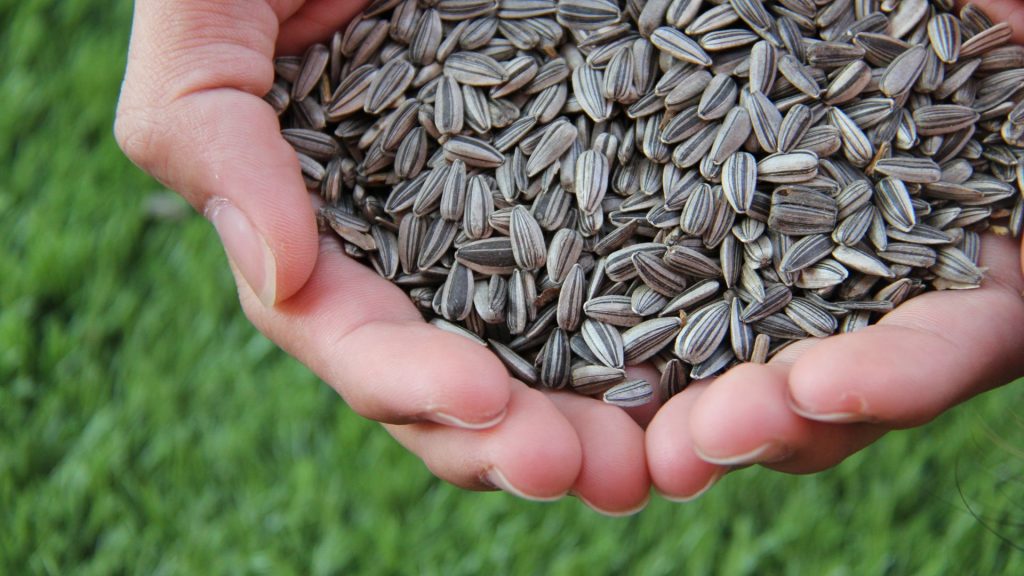
Unique sunflower seeds represent a specialized segment within the Helianthus annuus agricultural product category. These seeds are differentiated by specific traits, including kernel size, oil content, protein profile, and hull characteristics, positioning them strategically within the food processing, confectionery, and oil extraction industries. Unlike commodity sunflower seeds primarily directed toward oil production, these seeds cater to direct consumption and specialized food applications. Their technical position lies in bridging the gap between agricultural production and sophisticated food manufacturing, demanding stringent quality control and adherence to food safety regulations. Core performance characteristics include consistent kernel size for automated processing, high oleic acid content for extended shelf life, and a desirable textural profile for consumer acceptance. The demand for these seeds is driven by increasing consumer preference for healthy snacks and natural ingredients.
Material Science & Manufacturing
Sunflower seed development is fundamentally governed by genetics, but post-harvest processing significantly impacts quality. The primary raw material is, of course, the sunflower seed itself, composed of approximately 35-50% oil, 20-30% protein, 10-20% carbohydrate (primarily starch), and 5-10% fiber. The hull, or pericarp, constitutes roughly 25-30% of the seed's mass and is crucial for protecting the kernel during handling and storage. Manufacturing begins with harvesting, typically mechanical, followed by drying to reduce moisture content to below 9% to prevent fungal growth and lipid oxidation. Cleaning processes, involving sieving, aspiration, and density separation, remove debris and immature seeds. Kernel sizing is critical; larger kernels generally command higher prices for direct consumption. Dehulling is often performed, though partially hulled seeds are also marketed. Critical parameters in dehulling include impact velocity, gap width, and seed moisture content – optimized to maximize kernel integrity and minimize hull fragments. Post-dehulling, seeds may undergo surface treatment (e.g., coating with seasoning) or packaging for distribution. The oil composition, specifically the ratio of linoleic to oleic acid, is a key determinant of oxidative stability and is influenced by both genetics and growing conditions. Polyunsaturated fatty acids are susceptible to rancidity, necessitating careful control of storage conditions (temperature, humidity, oxygen exposure).
Performance & Engineering
Performance analysis of sunflower seeds centers around several key engineering considerations. Firstly, shell strength and kernel resistance to cracking during processing are paramount. Force analysis using compression testing determines the force required to fracture the hull and kernel, influencing equipment design and processing parameters. Environmental resistance is significant; seeds are susceptible to moisture absorption and subsequent fungal growth, necessitating packaging materials with low water vapor transmission rates (WVTR). Compliance requirements are stringent, governed by food safety standards such as HACCP (Hazard Analysis and Critical Control Points) and relevant national regulations (e.g., FDA in the US, EFSA in Europe). Functional implementation considerations include the seed's suitability for automated packaging lines – consistent size and shape are vital to avoid jams. Another crucial aspect is the resistance of the kernel to lipid oxidation during storage. This is quantified by measuring peroxide value and assessing the formation of secondary oxidation products. Antioxidant coatings and nitrogen flushing packaging techniques are employed to mitigate oxidative degradation. The seeds’ handling characteristics, particularly their flowability, affect efficiency in filling and weighing operations. Surface texture and the presence of fines (broken kernel fragments) significantly impact flowability. Finally, the seeds must exhibit minimal aflatoxin contamination, a critical food safety concern requiring regular testing and adherence to stringent quality control procedures.
Technical Specifications
| Parameter | Unit | Typical Value (Range) | Test Method |
|---|---|---|---|
| Kernel Moisture Content | % | 8.0 – 9.5 | Oven Drying (AOAC) |
| Oil Content (Dry Basis) | % | 48 – 58 | Soxhlet Extraction (AOCS) |
| Protein Content (Dry Basis) | % | 18 – 24 | Kjeldahl Method (AOCS) |
| Kernel Size (Average Diameter) | mm | 12 – 16 | Sieve Analysis |
| Oleic Acid Content | % of Total Fatty Acids | 60 – 80 (High Oleic Varieties) | Gas Chromatography (AOCS) |
| Peroxide Value (Initial) | meq O2/kg | < 3.0 | Titration (AOCS) |
Failure Mode & Maintenance
Sunflower seeds, despite their robustness, are susceptible to several failure modes. Lipid oxidation is a primary degradation pathway, leading to rancidity, off-flavors, and reduced nutritional value. This is accelerated by exposure to oxygen, light, and elevated temperatures. Mechanical damage during harvesting, processing, and handling causes kernel cracking, increasing susceptibility to moisture absorption and microbial contamination. Hull cracking can indicate insufficient drying or overly aggressive dehulling. Microbial contamination (e.g., Aspergillus flavus producing aflatoxins) is a critical safety concern, particularly in humid environments. Insect infestation can occur during storage, leading to seed damage and quality loss. Maintenance to prevent these failures includes: stringent moisture control throughout the supply chain; proper storage in airtight containers at low temperatures (ideally below 15°C); regular monitoring for aflatoxins and other contaminants; implementation of effective pest control measures; use of antioxidant packaging materials; and careful calibration of processing equipment to minimize mechanical damage. Regular quality control checks, including peroxide value analysis and visual inspection for damaged kernels, are crucial. A preventative maintenance program for harvesting and processing machinery, focused on minimizing impact forces and maintaining calibration, is also essential. Proper sanitation protocols in processing facilities are critical for preventing microbial contamination.
Industry FAQ
Q: What are the critical factors impacting the shelf life of these sunflower seeds?
A: The primary factors are oil quality (specifically the oleic acid content), moisture content, oxygen exposure, temperature, and light exposure. Higher oleic acid levels provide greater oxidative stability. Maintaining low moisture content (<9%) inhibits fungal growth. Packaging with low OTR (Oxygen Transmission Rate) and protection from light minimizes lipid oxidation.
Q: How do you ensure minimal aflatoxin contamination?
A: Aflatoxin control begins with pre-harvest monitoring of sunflower fields for Aspergillus flavus infection. Post-harvest, rigorous cleaning and sorting processes remove visibly damaged kernels. Regular testing of seed batches using ELISA or HPLC methods quantifies aflatoxin levels. Any batch exceeding regulatory limits is rejected. Proper drying and storage practices also minimize aflatoxin formation.
Q: What is the significance of kernel size uniformity?
A: Kernel size uniformity is crucial for automated processing, particularly in confectionery applications. Consistent size ensures accurate metering, even filling of packages, and consistent roasting/flavoring. Non-uniformity can lead to jams in processing equipment and consumer dissatisfaction due to inconsistent product appearance.
Q: What types of packaging materials are most suitable for long-term storage?
A: Multi-layer packaging materials with excellent barrier properties are recommended. These typically include a layer of aluminum foil or metallized film for oxygen and light protection, a layer of polyethylene for moisture barrier, and an outer layer for strength and printability. Modified atmosphere packaging (MAP) with nitrogen flushing can further extend shelf life.
Q: How does dehulling affect seed quality and storage?
A: While dehulling improves palatability, it also removes a protective layer, increasing susceptibility to moisture absorption and oxidation. Partially hulled seeds offer a balance between palatability and protection. The dehulling process itself must be carefully controlled to minimize kernel damage. Dehulled seeds require more stringent storage conditions than in-shell seeds.
Conclusion
Unique sunflower seeds represent a sophisticated agricultural product requiring careful attention to material science, manufacturing processes, and quality control. The performance of these seeds is dictated by a complex interplay of factors including oil composition, kernel integrity, and environmental protection. Adherence to rigorous standards and proactive failure mode analysis are essential for delivering a high-quality product to the food industry.
Future development in this field will likely focus on breeding programs to enhance oleic acid content, improve hull strength, and increase resistance to fungal contamination. Advances in packaging technology, such as active packaging incorporating oxygen scavengers and antimicrobial agents, will further extend shelf life and maintain product quality. Furthermore, optimization of processing parameters and implementation of advanced sensor technologies for real-time quality monitoring will continue to enhance the efficiency and reliability of sunflower seed production.
