Introduction
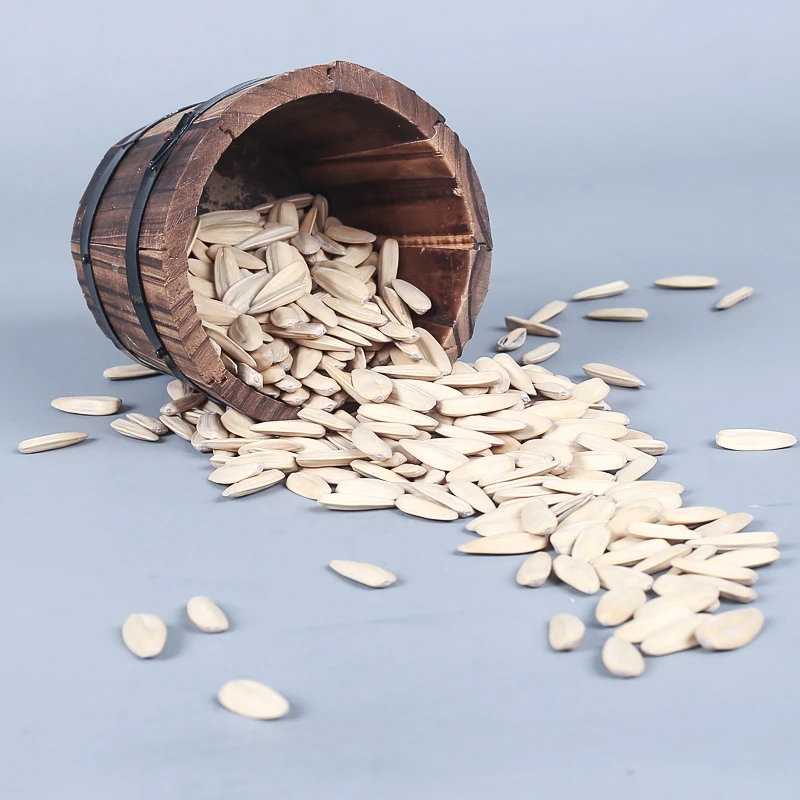
Unique sunflower seeds represent a specialized segment within the Helianthus annuus seed market, distinguished by proprietary genetic traits impacting oil content, protein composition, hull characteristics, and overall seed size. These seeds are not simply commodity agricultural products; they are engineered for specific industrial applications beyond direct human consumption, primarily focused on the nutraceutical, cosmetic, and specialized animal feed sectors. Their technical position in the value chain extends from advanced breeding programs and controlled agricultural practices through sophisticated processing techniques – dehulling, flaking, oil extraction, and protein isolation – to deliver raw materials meeting stringent performance specifications. Core performance characteristics include high oleic acid content for oxidative stability, optimized protein digestibility for feed applications, and consistent kernel size for efficient processing, all demanding precise quality control and traceability throughout the supply chain. The increasing demand for sustainable and traceable ingredients drives the adoption of these uniquely tailored sunflower seed varieties.
Material Science & Manufacturing
The foundational material science of unique sunflower seeds revolves around the triacylglycerol (TAG) composition of the oil and the amino acid profile of the protein. Kernel composition is heavily influenced by genotype and environmental factors during growth. High-oleic varieties, a common target for unique seed development, contain a higher proportion of oleic acid (C18:1) in the TAG molecules, leading to increased oxidative stability crucial for applications in cosmetics and certain nutraceuticals. Protein content typically ranges from 18-25% and is dominated by globulins and albumins. Manufacturing begins with controlled cultivation practices focused on minimizing fungal contamination and optimizing seed maturity. Post-harvest processing involves cleaning, drying to a moisture content below 9%, and dehulling – a critical step impacting oil yield and protein concentrate quality. Dehulling efficiency is a function of seed coat strength, impacted by genetics and drying conditions, and is often accomplished using impact or friction-based separators. Oil extraction is primarily achieved via mechanical pressing (cold pressing) or solvent extraction (typically using hexane). Cold pressing yields a higher-quality oil but lower extraction efficiency. Protein isolation involves flaking the dehulled kernels followed by solvent extraction or aqueous separation techniques. Key parameter control includes monitoring oil acidity, peroxide value (an indicator of oxidation), protein solubility, and residual solvent levels.
Performance & Engineering
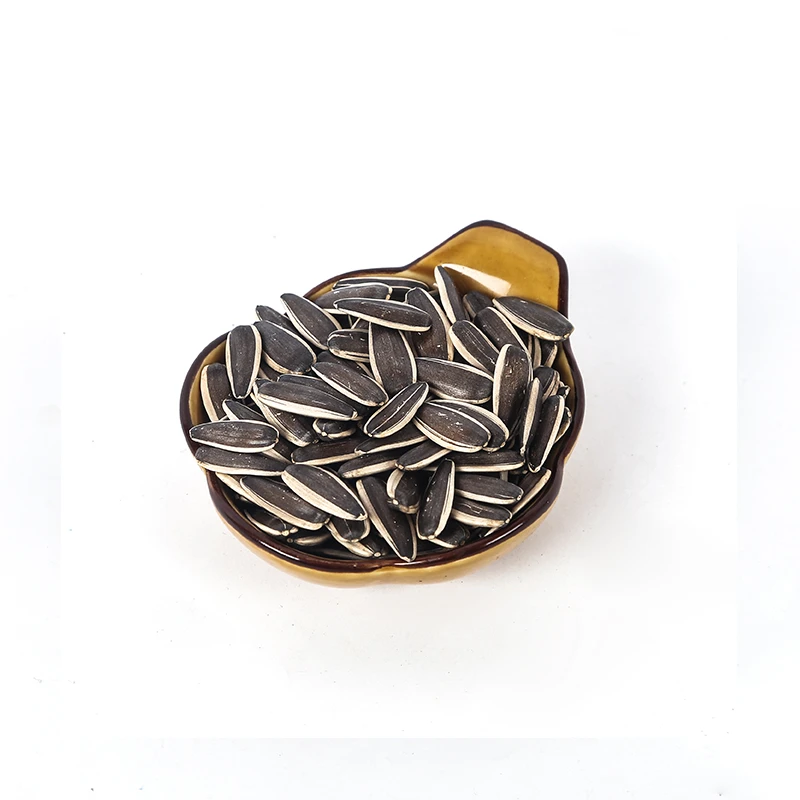
Performance engineering for unique sunflower seed applications necessitates a deep understanding of tribological properties during processing (e.g., flaking efficiency, press loading), thermal stability during oil refining, and the interfacial properties of proteins during emulsification. The hull’s fracture toughness is a critical parameter dictating dehulling performance, directly impacting processing costs and yield. Force analysis during pressing operations requires consideration of seed compressibility, friction coefficients against pressing surfaces, and oil viscosity. Environmental resistance is primarily relevant to seed storage; moisture ingress promotes fungal growth and aflatoxin contamination, necessitating hermetic storage solutions. Compliance requirements vary by application. For food and feed applications, adherence to FSMA (Food Safety Modernization Act) regulations is paramount. For cosmetic ingredients, compliance with REACH (Registration, Evaluation, Authorisation and Restriction of Chemicals) in Europe and similar regulations elsewhere is essential. The engineering of the seed itself – through breeding – focuses on optimizing the oil-to-protein ratio, enhancing protein digestibility (using in vitro methods like PDCAAS – Protein Digestibility Corrected Amino Acid Score), and increasing resistance to common sunflower diseases (e.g., rust, downy mildew). Specialized applications may require surface modification of protein isolates to enhance solubility or emulsion stability.
Technical Specifications
| Parameter | Typical Range (High-Oleic Variety) | Typical Range (Standard Variety) | Test Method |
|---|---|---|---|
| Oil Content (%) | 48-58% | 42-52% | AOAC Official Method 989.19 |
| Oleic Acid Content (%) | >75% | <65% | AOCS Cd 14-11 |
| Linoleic Acid Content (%) | <15% | >30% | AOCS Cd 14-11 |
| Protein Content (%) | 18-24% | 20-26% | Kjeldahl Method (AOAC 920.87) |
| Kernel Size (mm) | 10-14 mm | 8-12 mm | Sieve Analysis |
| Moisture Content (%) | <9% | <9% | AOAC Official Method 925.10 |
Failure Mode & Maintenance
Failure modes in unique sunflower seed processing and applications are diverse. Lipid oxidation, driven by exposure to oxygen, light, and elevated temperatures, is a primary concern for oil-based products, leading to rancidity and reduced functionality. Protein denaturation due to improper pH control or excessive heating can reduce solubility and emulsifying properties. Aflatoxin contamination from fungal growth during storage is a significant safety hazard requiring stringent quality control and proper storage conditions (low temperature, humidity control). Fatigue cracking of the seed hull during dehulling can lead to increased fines and reduced oil yield. Delamination of protein isolates during drying can impact texture and functionality. Maintenance of seed quality begins with proper harvesting and drying practices. Storage facilities must be meticulously cleaned and monitored for temperature, humidity, and pest activity. Preventive maintenance on processing equipment – cleaners, dehullers, presses – is crucial to minimize mechanical damage and maintain optimal performance. Antioxidant addition can mitigate lipid oxidation. Proper temperature control and pH adjustment are essential during protein processing. Regular testing for aflatoxins is mandatory.
Industry FAQ
Q: What is the primary advantage of using high-oleic sunflower seeds compared to standard varieties in cosmetic applications?
A: High-oleic sunflower seeds offer significantly improved oxidative stability due to the higher proportion of monounsaturated fatty acids (oleic acid). This translates to a longer shelf life for cosmetic formulations, reduced rancidity, and better preservation of the oil's emollient and skin-conditioning properties. Standard sunflower oils, with higher linoleic acid content, are more prone to oxidation, requiring higher levels of synthetic antioxidants.
Q: How does kernel size variability impact the efficiency of the dehulling process?
A: Greater kernel size variability leads to decreased dehulling efficiency. Uniform kernel size allows for optimized settings on dehulling equipment, minimizing damage to the kernels and maximizing hull removal. Variations in size necessitate wider tolerances, resulting in more broken kernels, increased fines, and reduced oil yield.
Q: What analytical methods are essential for verifying the purity and quality of sunflower protein isolates?
A: Essential analytical methods include Kjeldahl analysis for total protein content, amino acid profiling (HPLC), protein solubility testing, and SDS-PAGE (Sodium Dodecyl-Sulfate Polyacrylamide Gel Electrophoresis) to assess protein molecular weight distribution and purity. Additionally, testing for residual solvent levels (if solvent extraction was used) and microbial contamination is crucial.
Q: What are the key considerations for long-term storage of sunflower seeds to prevent aflatoxin contamination?
A: Key considerations include maintaining a low moisture content (below 9%), storing seeds in hermetically sealed containers to prevent moisture ingress and oxygen exposure, and maintaining a cool storage temperature (below 15°C). Regular monitoring for temperature and humidity is also essential, along with periodic testing for aflatoxins.
Q: How does the selection of a pressing method (cold press vs. solvent extraction) affect the quality and cost of sunflower oil?
A: Cold pressing yields a higher-quality oil with a superior flavor profile and minimal residual solvent, but at a lower extraction efficiency and higher cost. Solvent extraction offers higher oil yield and lower processing costs but requires careful solvent removal to meet food safety regulations. The choice depends on the target application and desired oil quality.
Conclusion
Unique sunflower seeds represent a sophisticated agricultural product engineered for specialized industrial applications. Their value lies not simply in oil or protein content, but in tailored genetic profiles that deliver specific performance characteristics—oxidative stability, protein digestibility, and consistent processability. Effective management of the entire supply chain, from controlled cultivation and post-harvest handling to meticulous processing and quality control, is crucial for realizing the full potential of these seeds.
Future advancements will likely focus on further refining genetic traits through advanced breeding techniques, optimizing processing methods for enhanced yield and quality, and developing novel applications for sunflower seed-derived ingredients in emerging markets like bioplastics and sustainable materials. The continued demand for traceable and sustainable ingredients will further drive the adoption of these uniquely engineered sunflower seed varieties, solidifying their position as a key raw material in various industrial sectors.
