Introduction
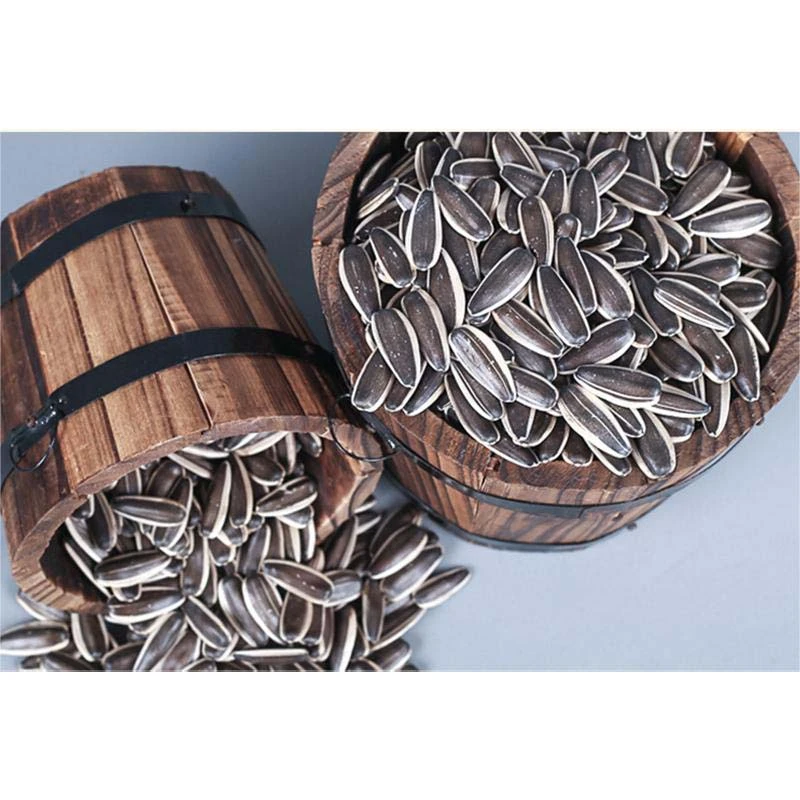
Bulk sunflower seeds, Helianthus annuus, represent a significant commodity in the agricultural and food processing industries. Technically categorized as an oilseed, their primary application extends beyond direct consumption to encompass oil extraction, livestock feed, and increasingly, as a nutritional snack food. This guide details the technical aspects of bulk sunflower seeds destined for human consumption, covering their composition, processing parameters, quality control measures, potential degradation pathways, and relevant industry standards. The growing demand for healthy snack options and plant-based proteins has driven a corresponding increase in the volume of sunflower seeds traded globally, necessitating a comprehensive understanding of their characteristics to maintain consistent product quality and ensure consumer safety. The core performance attributes of bulk sunflower seeds relate to oil content, protein levels, moisture content, and the absence of harmful contaminants. This document focuses on seeds intended for direct human consumption, excluding those exclusively processed for oil extraction.
Material Science & Manufacturing
Sunflower seeds are composed of approximately 35-55% oil, 20-28% protein, 15-20% carbohydrate (primarily structural polysaccharides), and 5-10% moisture, varying based on cultivar and growing conditions. The kernel, the edible portion, is encased in a hull (pericarp) which is typically removed during processing. The oil is rich in linoleic acid (an omega-6 fatty acid) and contains tocopherols (vitamin E), providing antioxidant properties. The protein content is considered high-quality, containing essential amino acids. Manufacturing begins with harvesting, followed by drying to reduce moisture content to a stable range of 8-10% to prevent fungal growth and lipid oxidation. This drying process is critical and often employs forced-air systems, carefully controlled to avoid thermal degradation of oils and proteins. Dehulling is performed mechanically, utilizing impact and friction principles, followed by cleaning to remove foreign material (stalks, leaves, stones). Seed sizing and grading are conducted based on kernel size, shape, and density using screens and optical sorting technology. Quality control throughout this process involves monitoring moisture content, oil content (via Soxhlet extraction or NMR), protein content (Kjeldahl method), and assessing for the presence of aflatoxins and other mycotoxins using HPLC or ELISA techniques. Parameter control during drying – temperature, airflow, and duration – is paramount to preserve seed quality.
Performance & Engineering
The performance of bulk sunflower seeds, from a logistical and processing standpoint, is dictated by their physical properties. Bulk density influences storage and transportation efficiency. Kernel hardness affects dehulling efficiency and breakage rates during handling. Friction coefficient determines flowability in conveying systems and susceptibility to static buildup. Environmental resistance is primarily related to moisture uptake and oxidative stability. High humidity can lead to increased moisture content, promoting microbial growth and rancidity. Oxidative degradation, accelerated by light and heat, results in off-flavors and reduced nutritional value. Packaging plays a critical role in mitigating these effects; vacuum packaging or modified atmosphere packaging (MAP) with nitrogen flushing are commonly employed. Compliance requirements mandate adherence to maximum contaminant levels for pesticides, heavy metals, and mycotoxins, as dictated by regulatory bodies such as the FDA (USA) and EFSA (Europe). Engineering considerations include designing processing equipment to minimize kernel damage and optimizing storage conditions to maintain seed quality over extended periods. Shelf-life stability relies on maintaining low moisture and oxygen levels, along with adequate antioxidant protection (through packaging or added tocopherols).
Technical Specifications
| Parameter | Unit | Typical Value (Range) | Test Method |
|---|---|---|---|
| Moisture Content | % (w/w) | 8.0 - 10.0 | AOAC 925.10 |
| Oil Content | % (w/w, dry basis) | 40 - 55 | Soxhlet Extraction (AOAC 920.39) or NMR |
| Protein Content | % (w/w, dry basis) | 18 - 26 | Kjeldahl Method (AOAC 920.87) |
| Kernel Size (Diameter) | mm | 8 - 12 | Sieve Analysis |
| Hull Content | % (w/w) | < 5 (for in-shell seeds) | Visual Inspection / Weight Difference |
| Aflatoxin B1 | ppb | < 20 | HPLC or ELISA |
Failure Mode & Maintenance
Sunflower seeds are susceptible to several failure modes affecting quality and safety. Lipid oxidation, leading to rancidity, is a primary concern. This is accelerated by exposure to oxygen, light, heat, and the presence of metal ions. Packaging and storage conditions are critical preventative measures. Mycotoxin contamination, particularly by aflatoxins produced by Aspergillus species, poses a significant health hazard. Proper drying, storage hygiene, and pre-harvest monitoring are essential for control. Physical damage to kernels (cracking, breakage) during handling and processing increases susceptibility to oxidation and microbial attack. Gentle handling techniques and appropriate equipment design minimize this risk. Insect infestation can lead to seed damage and contamination. Proper storage in sealed containers and the use of insect repellents are necessary. Moisture absorption during storage can promote mold growth and reduce shelf life. Maintaining a low and stable relative humidity is critical. Maintenance involves regular inspection of storage facilities for pests, moisture ingress, and temperature control functionality. Rotating stock on a first-in, first-out basis minimizes the risk of prolonged storage and quality degradation.
Industry FAQ
Q: What is the critical moisture content threshold for long-term sunflower seed storage?
A: The critical moisture content threshold is generally considered to be 8.5%. Above this level, the risk of fungal growth and aflatoxin production significantly increases. Maintaining a moisture content below 8.5%, ideally between 8.0% and 8.5%, coupled with appropriate storage temperature and humidity control, is essential for maximizing shelf life and ensuring product safety.
Q: How is oil content variability in sunflower seeds managed to ensure consistent product quality?
A: Oil content variability is managed through cultivar selection, pre-harvest monitoring of growing conditions, and post-harvest blending. Cultivars with stable oil content profiles are preferred. Regular testing of oil content during harvest allows for segregation of seeds based on oil percentage. Blending seeds from different batches can be employed to achieve a target oil content range, ensuring consistency across the final product.
Q: What are the key factors affecting aflatoxin contamination risk, and how can these be mitigated?
A: Key factors include drought stress during seed development, insect damage, and improper drying/storage conditions. Mitigation strategies include selecting drought-tolerant cultivars, implementing integrated pest management programs to minimize insect damage, ensuring rapid and thorough drying after harvest, and storing seeds in clean, dry, well-ventilated facilities. Regular testing for aflatoxins is also crucial.
Q: What packaging materials are most effective in preventing oxidative degradation of sunflower seeds?
A: Packaging materials with low oxygen permeability and good barrier properties against light are most effective. Vacuum packaging, modified atmosphere packaging (MAP) with nitrogen flushing, and multi-layer films containing aluminum foil or metallized polymers are commonly used. Dark-colored packaging materials also help to protect against light-induced oxidation.
Q: What analytical techniques are routinely used to assess the quality of bulk sunflower seeds?
A: Routine quality assessment involves a suite of analytical techniques, including moisture content determination (oven drying), oil content analysis (Soxhlet extraction or NMR), protein content determination (Kjeldahl method), peroxide value (to assess oxidation), free fatty acid content (titration), aflatoxin analysis (HPLC or ELISA), and microbial testing (plate counts for bacteria and fungi).
Conclusion
Bulk sunflower seeds, while seemingly simple, present a complex set of technical challenges related to their composition, processing, and preservation. Maintaining quality necessitates rigorous control over every stage, from field to finished product. The critical parameters – moisture content, oil content, aflatoxin levels, and physical integrity – must be continuously monitored and managed to meet stringent regulatory standards and consumer expectations.
The future of sunflower seed processing will likely focus on advancements in sorting technologies, improved packaging materials with enhanced barrier properties, and the development of cultivars with increased oxidative stability and resistance to mycotoxin contamination. Optimizing storage protocols and implementing predictive modeling for shelf-life estimation will also be key areas of innovation. Sustainable agricultural practices that minimize environmental impact and ensure a consistent supply of high-quality seeds will remain paramount.
