Introduction
Butterscotch melon seeds, derived from Cucumis melo cultivars specifically bred for their distinctive butterscotch aroma and flavor profile, represent a niche agricultural product with increasing relevance in the functional food and specialized horticulture sectors. Unlike commodity melon seeds primarily utilized as a byproduct, these seeds are increasingly sought after for their oil content, protein composition, and unique flavor compounds. Their technical position lies between a standard agricultural seed and a specialized oilseed, demanding precise harvesting, processing, and storage methodologies to preserve quality. Core performance characteristics include oil yield (typically 35-45% by weight), protein content (25-30%), and the presence of volatile aromatic compounds contributing to the characteristic butterscotch scent. Significant industry pain points include maintaining genetic purity of cultivars, optimizing oil extraction efficiency, and mitigating seed degradation during storage due to lipid oxidation.
Material Science & Manufacturing
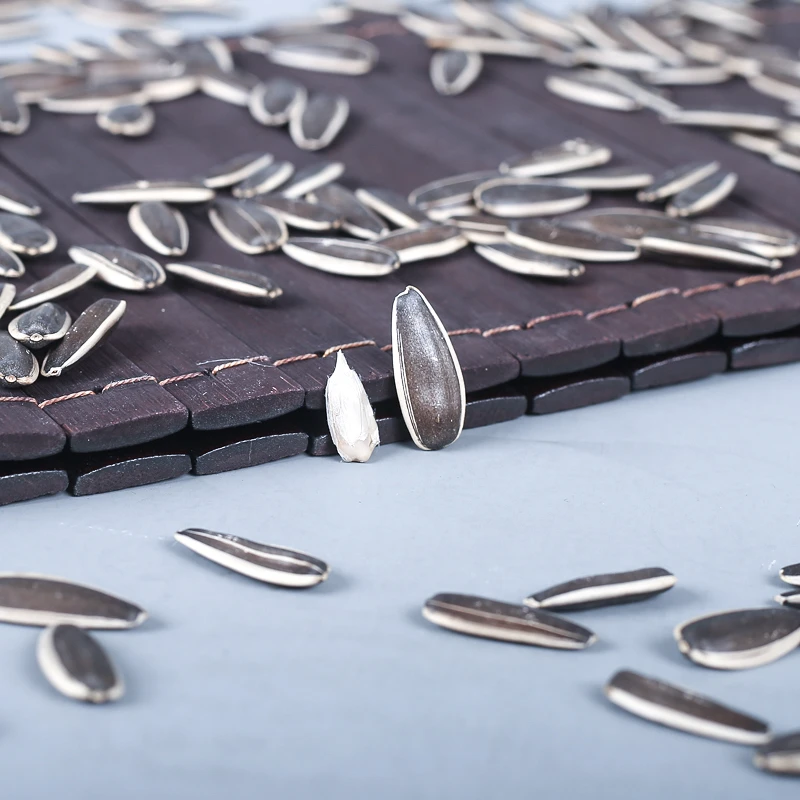
The raw material, butterscotch melon seeds, comprises a multi-layered structure. The seed coat, approximately 10-15% of the seed mass, provides physical protection and is rich in lignocellulose and phenolic compounds. The endosperm, constituting approximately 60-70%, is the primary source of stored lipids, proteins, and carbohydrates. The embryo, around 15-20%, contains the genetic material for the next generation. Lipid composition is dominated by unsaturated fatty acids, primarily oleic and linoleic acid, contributing to oil stability and nutritional value. Proteins are rich in essential amino acids. Manufacturing begins with harvesting at physiological maturity, indicated by rind color changes and ease of seed separation. Seeds are then cleaned, dried (typically to 8-10% moisture content using controlled-temperature air drying to prevent lipid oxidation), and sorted. Oil extraction employs mechanical pressing (cold pressing preferred to minimize thermal degradation of flavor compounds) followed by solvent extraction (hexane is common, requiring stringent residue monitoring). Key parameter control involves maintaining low moisture content during storage, controlling temperature during oil extraction, and ensuring proper ventilation to prevent mold growth. Seed coat integrity impacts oil extraction efficiency, requiring optimized de-hulling processes. The chemical compatibility of seeds with storage containers (avoiding reactive metals) and processing equipment materials (food-grade stainless steel) is critical to prevent contamination.
Performance & Engineering
Performance of butterscotch melon seeds is heavily reliant on their structural integrity and biochemical composition. Force analysis during mechanical pressing focuses on optimizing pressure application to maximize oil yield while minimizing seed damage. The seed coat’s tensile strength and elasticity directly influence pressing efficiency. Environmental resistance, specifically to humidity and temperature fluctuations, dictates storage lifespan. High humidity accelerates lipid peroxidation, leading to rancidity and flavor degradation. Temperature control is vital during storage, with optimal conditions below 15°C and relative humidity below 60%. Compliance requirements pertain to food safety standards (e.g., HACCP, GMP) and traceability regulations. Functional implementation involves incorporating the oil into food formulations (confectionery, desserts, nutraceuticals) or utilizing the seed meal as a protein supplement in animal feed. Oil stability is enhanced through the addition of natural antioxidants (e.g., tocopherols) and nitrogen flushing during packaging to minimize oxygen exposure. Seed meal digestibility is influenced by protein denaturation during processing; minimizing heat exposure is paramount.
Technical Specifications
| Parameter | Unit | Specification | Test Method |
|---|---|---|---|
| Oil Content | % (w/w) | 38-45 | AOAC 920.39 |
| Protein Content | % (w/w) | 26-32 | Kjeldahl Method (AOAC 920.87) |
| Moisture Content | % (w/w) | ≤ 10 | AOAC 925.10 |
| Acid Value | mg KOH/g | ≤ 2.0 | Titration (AOCS Cd 3-63) |
| Peroxide Value | meq O2/kg | ≤ 5.0 | Titration (AOCS Cd 8-53) |
| Butyric Acid Content (Volatile Component) | ppm | >50 | Gas Chromatography-Mass Spectrometry (GC-MS) |
Failure Mode & Maintenance
Failure modes of butterscotch melon seeds primarily revolve around lipid oxidation, leading to rancidity and off-flavors. This is accelerated by exposure to oxygen, light, and elevated temperatures. Physical damage during harvesting or processing (cracking, bruising) increases surface area for oxidation. Insect infestation and microbial growth (mold, yeast) can also compromise seed quality. Delamination of the seed coat can reduce oil extraction efficiency. Maintenance involves proper storage in airtight containers, protected from light and heat, with controlled humidity. Regular monitoring of acid and peroxide values is crucial to detect early signs of oxidation. Insect pest control measures (e.g., controlled atmosphere storage) are essential. Cleaning and sanitization of processing equipment minimizes microbial contamination. Preventative maintenance on oil extraction machinery (pressing, solvent recovery) ensures optimal performance and reduces seed damage. Rejecting damaged seeds during sorting is a critical quality control step. For long-term storage, nitrogen flushing of packaging can minimize oxygen levels.
Industry FAQ
Q: What is the optimal moisture content for long-term storage of butterscotch melon seeds?
A: The optimal moisture content for long-term storage is 8-10%. Higher moisture levels accelerate enzymatic activity and microbial growth, leading to seed deterioration. Below 8%, the seeds can become brittle and prone to cracking during handling.
Q: How does the oil extraction method affect the flavor profile of the resulting oil?
A: Cold pressing preserves the volatile aromatic compounds responsible for the butterscotch flavor, resulting in a more intense and desirable flavor profile. Solvent extraction, while more efficient, can degrade some of these compounds due to heat and solvent exposure, leading to a less pronounced flavor.
Q: What are the key considerations for packaging butterscotch melon seeds to prevent oxidation?
A: Packaging should utilize airtight, light-resistant materials. Vacuum sealing or nitrogen flushing prior to sealing minimizes oxygen exposure. Storage in cool, dry conditions (below 15°C) is essential. Consideration should be given to packaging materials that do not impart off-flavors to the seeds.
Q: What is the significance of the butyric acid content in butterscotch melon seeds?
A: Butyric acid is a key volatile compound contributing to the characteristic butterscotch aroma and flavor. Higher butyric acid content is generally associated with higher quality seeds and a more desirable flavor profile. GC-MS analysis is used to quantify its concentration.
Q: How does seed coat thickness influence oil extraction yield?
A: Thicker seed coats provide more physical protection, but can also hinder oil extraction if not properly de-hulled. Optimized de-hulling processes are necessary to balance seed protection with efficient oil release. A compromise must be made between maximizing seed integrity and maximizing oil yield.
Conclusion
Butterscotch melon seeds represent a valuable resource with increasing potential in the functional food and nutraceutical industries. Their unique flavor profile, coupled with a favorable fatty acid composition and protein content, positions them as a premium agricultural product. Effective management of the entire value chain, from cultivar selection and harvesting to processing and storage, is crucial to maintaining quality and maximizing economic value.
Future research should focus on optimizing oil extraction techniques to minimize degradation of flavor compounds, developing improved storage methods to enhance shelf life, and exploring novel applications for the seed meal as a sustainable protein source. Continued emphasis on genetic improvement to enhance oil yield and butyric acid content will further solidify the position of butterscotch melon seeds in the specialized agricultural market.
