Introduction
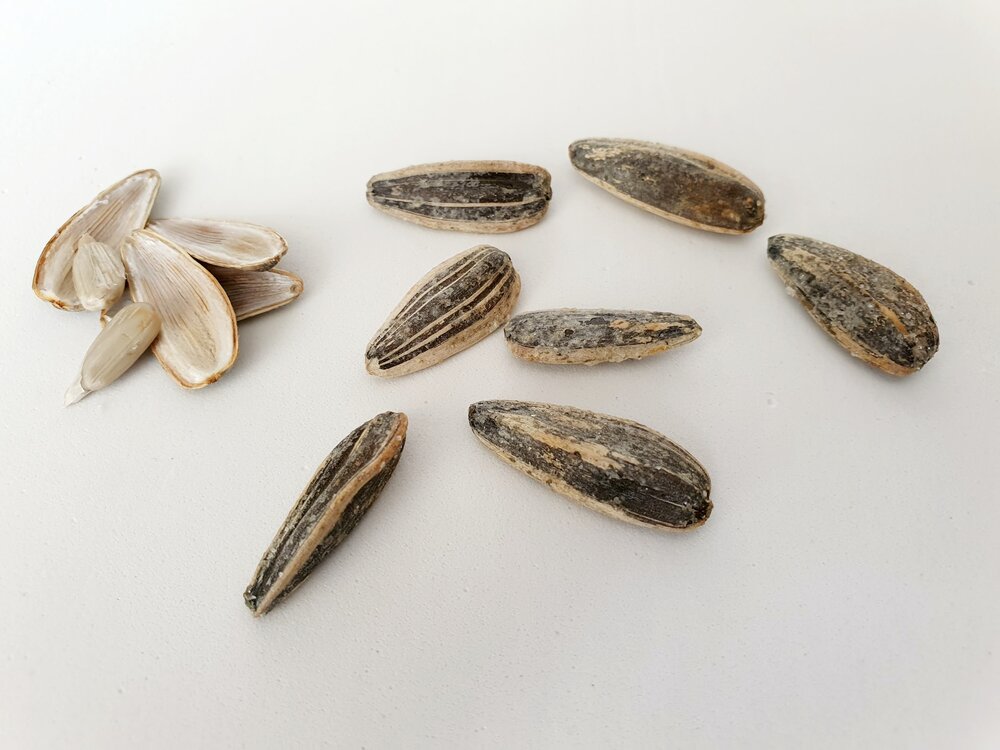
Sunflower seeds ( Helianthus annuus ) represent a significant commodity within the agricultural and food processing sectors. Bulk purchasing of sunflower seeds is a critical practice for industries encompassing confectionary, oil extraction, livestock feed, and increasingly, biofuel production. This technical guide provides an in-depth examination of the quality parameters, manufacturing processes, performance characteristics, potential failure modes, and relevant standards governing the sourcing and utilization of bulk sunflower seeds. The industry faces challenges related to maintaining consistent seed quality, mitigating aflatoxin contamination, ensuring optimal oil yield, and adhering to stringent regulatory requirements concerning pesticide residues and GMO status. This guide addresses these key pain points from a technical perspective, targeting procurement managers and process engineers engaged in large-scale sunflower seed acquisition.
Material Science & Manufacturing
Sunflower seeds are comprised of approximately 30-40% oil, 20-30% protein, and 15-20% carbohydrates, alongside fiber and trace minerals. The seed hull, or pericarp, provides physical protection and influences processing characteristics. Kernel hardness is a crucial quality parameter determined by the genetic variety (oilseed vs. confectionary) and growing conditions. Manufacturing begins with agricultural cultivation practices, heavily influenced by soil composition, climate, and irrigation. Harvesting techniques – mechanical versus manual – impact seed damage and contamination levels. Post-harvest processing involves cleaning, drying, dehulling (depending on end-use), and grading. Drying is critical to reduce moisture content to below 9% to inhibit fungal growth and maintain seed viability. Dehulling impacts oil yield and flavor profile. Proper temperature control during drying (typically below 45°C) is paramount to prevent protein denaturation and lipid oxidation. The chemical composition of the seed is heavily influenced by the fatty acid profile of the oil, specifically linoleic, oleic, and palmitic acids. Variation in these profiles impacts the oxidative stability and nutritional value of the end product. Seed coat composition is primarily cellulose and lignin providing a protective barrier but also requiring energy intensive dehulling processes.
Performance & Engineering
Performance analysis of bulk sunflower seeds centers around oil yield, protein content, and kernel soundness. Oil yield is influenced by seed variety, maturity stage at harvest, and processing efficiency. Engineering considerations include the design of storage facilities to prevent moisture absorption and insect infestation. Bulk storage requires controlled atmosphere conditions (temperature and humidity) to minimize respiration rates and prevent seed deterioration. Force analysis during dehulling operations is critical to optimize equipment parameters and minimize kernel damage. The shell strength, and therefore force required for cracking, is dependent on seed variety and moisture content. Environmental resistance is a concern regarding aflatoxin contamination, a mycotoxin produced by Aspergillus molds which thrive in warm, humid conditions. Effective moisture control and storage practices are essential mitigation strategies. Compliance requirements vary by region, encompassing regulations related to pesticide residues (e.g., maximum residue limits for glyphosate), GMO labeling, and food safety standards (e.g., HACCP). For biofuel applications, seed oil undergoes transesterification to produce biodiesel, where oil quality directly impacts fuel properties like cetane number and cold flow characteristics.
Technical Specifications
| Parameter | Unit | Typical Range (Oilseed Variety) | Typical Range (Confectionary Variety) |
|---|---|---|---|
| Oil Content (Dry Weight Basis) | % | 42-58 | 38-45 |
| Protein Content (Dry Weight Basis) | % | 18-26 | 20-28 |
| Moisture Content | % | ≤9.0 | ≤8.5 |
| Kernel Hardness (Compression Resistance) | N | 20-40 | 45-65 |
| Aflatoxin Level (B1, B2, G1, G2) | ppb | ≤20 | ≤10 |
| Free Fatty Acid (FFA) | % | ≤1.0 | ≤0.5 |
Failure Mode & Maintenance
Common failure modes in bulk sunflower seed storage and processing include: 1) Aflatoxin contamination due to inadequate drying or improper storage, leading to product rejection and health risks. Mitigation involves rigorous quality control, proper drying, and the use of antifungal treatments (where permitted). 2) Lipid oxidation, resulting in rancidity and reduced oil quality, caused by exposure to oxygen, light, and high temperatures. Prevention necessitates airtight storage, antioxidant addition, and temperature control. 3) Insect infestation leading to seed damage and quality degradation. Control measures include grain protectants, fumigation, and maintaining a clean storage environment. 4) Physical damage (cracked kernels) during harvesting, drying, or dehulling, reducing oil yield and increasing fines. Optimized equipment settings and gentle handling are crucial. 5) Hygroscopic Absorption – Seeds absorb moisture from the surrounding environment if storage isn’t airtight, leading to fungal growth. Regular monitoring of moisture content and ensuring proper ventilation are crucial maintenance steps. Preventative maintenance of drying and dehulling equipment, including regular cleaning and lubrication, is essential to prevent mechanical failures and ensure optimal performance. Periodic inspection for structural damage (cracks, corrosion) in storage bins is also critical.
Industry FAQ
Q: What are the key differences between oilseed and confectionary sunflower seed varieties, and how do these impact procurement decisions?
A: Oilseed varieties prioritize high oil yield and typically have smaller kernel size and a black hull. Confectionary varieties focus on larger kernel size, lower hull strength for easy shelling, and a lighter-colored hull. Procurement decisions should align with the intended end-use; oilseed varieties are preferred for oil extraction, while confectionary varieties are suitable for direct consumption.
Q: How can we effectively mitigate the risk of aflatoxin contamination in bulk sunflower seed purchases?
A: Implementing a robust quality control program is essential. This includes sourcing from reputable suppliers with established aflatoxin monitoring protocols, conducting pre-shipment testing for aflatoxins (using ELISA or HPLC methods), ensuring proper drying to below 9% moisture content, and maintaining hygienic storage conditions. Regular inspection and monitoring during storage are also critical.
Q: What is the significance of free fatty acid (FFA) content in sunflower seeds, and what levels are acceptable?
A: FFA content indicates the degree of lipid hydrolysis and deterioration. High FFA levels indicate poor seed quality and can impact oil refining efficiency and product flavor. Generally, FFA levels should be below 1.0% for oilseed varieties and below 0.5% for confectionary varieties. Higher FFA levels may necessitate increased refining costs and potentially limit end-product applications.
Q: What are the industry best practices for bulk sunflower seed storage to maintain quality over extended periods?
A: Best practices include storing seeds in airtight, well-ventilated bins; maintaining a cool and dry environment (temperature below 20°C and humidity below 60%); implementing regular pest control measures; and monitoring moisture content and seed quality periodically. First-In, First-Out (FIFO) inventory management is also recommended.
Q: How do GMO regulations impact the sourcing of sunflower seeds, and what documentation should be required from suppliers?
A: GMO regulations vary by region. Procurement managers must be aware of the specific regulations in their target markets. Suppliers should provide documentation verifying the non-GMO status of the seeds, including certificates of analysis and declarations of origin. Compliance with labeling requirements is also essential.
Conclusion
The procurement and processing of bulk sunflower seeds requires a thorough understanding of the material science, manufacturing processes, and potential failure modes associated with this agricultural commodity. Maintaining consistent seed quality, minimizing aflatoxin contamination, and optimizing oil yield are key challenges that necessitate a proactive and technically informed approach. Implementing robust quality control procedures, adhering to stringent storage guidelines, and carefully evaluating supplier capabilities are essential for ensuring a reliable and high-quality supply chain.
Future trends in sunflower seed technology include the development of improved varieties with enhanced oil content, increased disease resistance, and optimized fatty acid profiles. The growing demand for sustainable and plant-based products will likely drive further innovation in sunflower seed processing and utilization. Continued research and development, coupled with adherence to international standards, will be critical for unlocking the full potential of this versatile agricultural resource.
