Introduction
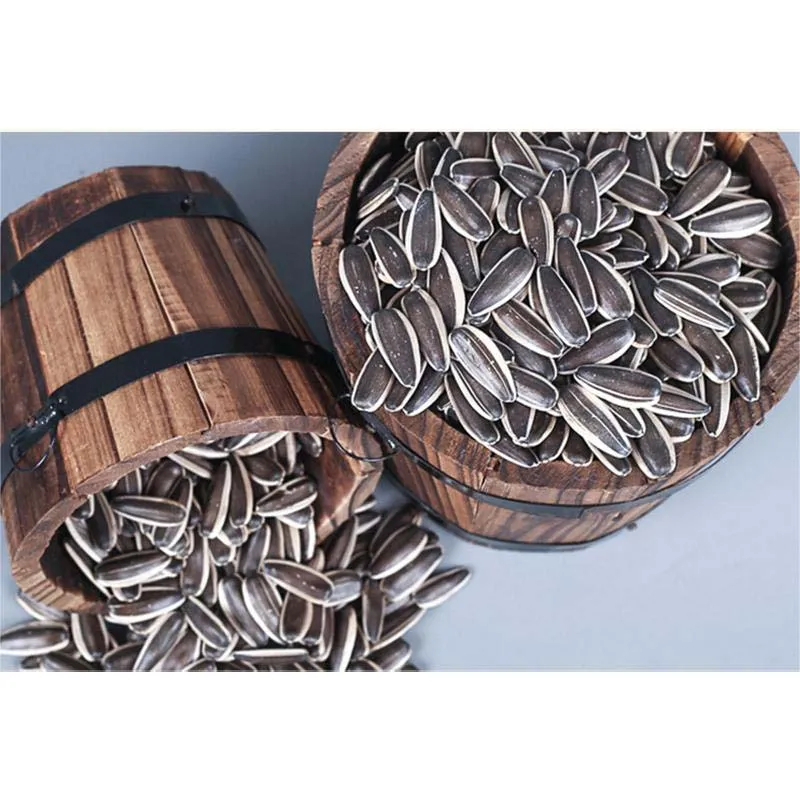
Caramel flavor sunflower seeds represent a significant segment within the broader snack food industry, bridging the natural health benefits of sunflower seeds with the consumer appeal of confectionery flavors. These seeds, typically sourced from Helianthus annuus, undergo a multi-stage processing regimen involving harvesting, dehulling, roasting, flavoring, and packaging. Technically, the creation of a stable caramel flavor coating on a lipid-rich substrate presents a unique engineering challenge related to adhesion, moisture control, and thermal stability. Unlike simply coated seeds, the caramelization process, if involved directly, introduces Maillard reaction products impacting sensory attributes and shelf life. This guide provides a comprehensive technical overview of caramel flavor sunflower seeds, encompassing material science, manufacturing processes, performance characteristics, potential failure modes, and relevant industry standards. Understanding these facets is crucial for procurement managers, quality control engineers, and product development specialists within the food processing and snack manufacturing sectors. Core pain points in this area revolve around ensuring consistent flavor delivery, preventing rancidity, maintaining structural integrity of the coating, and complying with stringent food safety regulations.
Material Science & Manufacturing
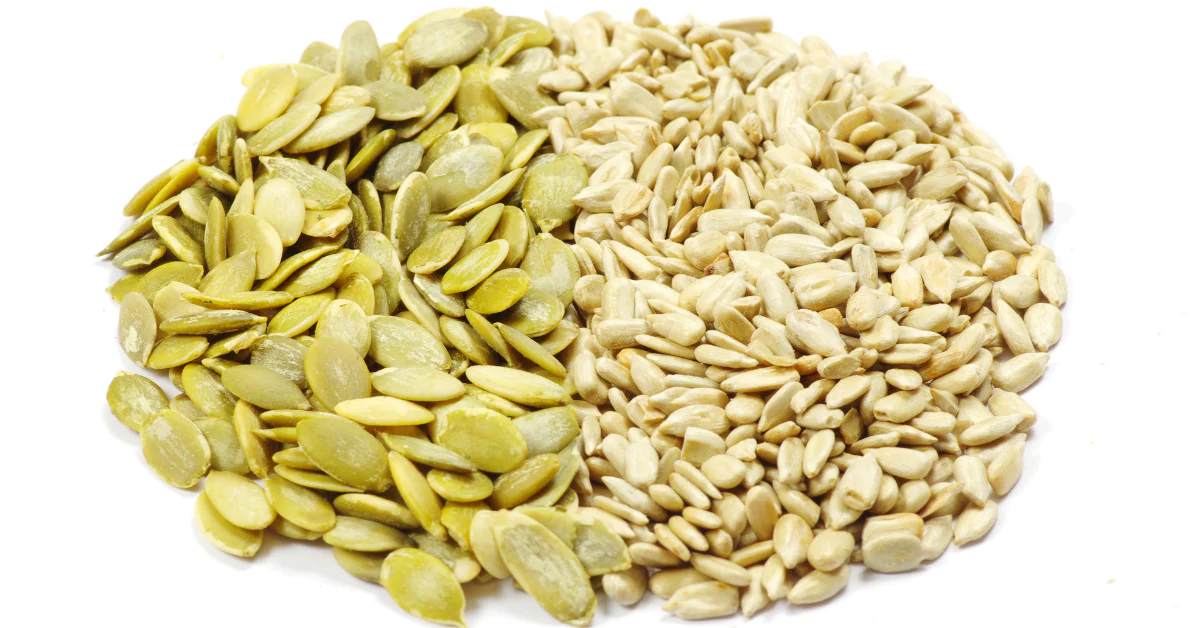
The primary raw material, sunflower seeds, are composed of approximately 30-50% oil (primarily linoleic acid, an omega-6 fatty acid), 20-25% protein, and 15-20% carbohydrate. The shell, or hull, is composed of cellulose and lignin, necessitating a dehulling process typically utilizing impact and friction. The oil content significantly impacts the seed’s susceptibility to oxidative rancidity, making antioxidant incorporation crucial. The “caramel flavor” component is a complex mixture typically derived from sucrose, glucose, lactose, and butterfat, often augmented with artificial flavorings such as diacetyl, furaneol, and hydroxyhexanoic acid. The manufacturing process generally involves: (1) Seed Selection & Cleaning: Ensuring high-quality seeds with minimal foreign matter. (2) Dehulling: Mechanical removal of the outer shell, minimizing seed damage. (3) Roasting: Application of controlled heat (typically 120-150°C) to develop flavor and reduce moisture content. Roasting time and temperature are critical parameters – under-roasting leads to bland flavor, while over-roasting induces bitterness and lipid oxidation. (4) Caramel Coating: Application of the caramel mixture, often via tumbling or spraying techniques. Viscosity of the caramel is a key control parameter, affecting coating uniformity. Temperature of the seeds and caramel also play a significant role in adhesion. (5) Cooling & Packaging: Rapid cooling to solidify the coating, followed by packaging in moisture-barrier materials to prevent softening and rancidity. Key parameter control involves precise temperature monitoring during roasting, rigorous viscosity control of the caramel mixture, and maintaining a low water activity (<0.6) in the final product. The seed's moisture content before coating significantly affects caramel adhesion; a moisture level of around 2-3% is often optimal. The type of oil used in the caramel can also impact its oxidative stability and flavor profile.
Performance & Engineering
The performance of caramel flavor sunflower seeds is assessed through several key engineering properties. First, adhesion strength of the caramel coating, measured using tensile testing methods, dictates resistance to chipping and flaking during handling and transportation. Coatings typically need to withstand a shear force of at least 0.5 N/mm. Second, moisture barrier properties of the packaging material are paramount. Oxygen Transmission Rate (OTR) and Water Vapor Transmission Rate (WVTR) must be minimized to prevent rancidity and coating softening. Packaging materials with OTR < 0.1 cc/100in²/day and WVTR < 1 g/100in²/day are generally required. Third, texture analysis determines the seed's crispness and hardness. Force required to fracture the seed is an important quality control parameter. Fourth, shelf life stability is determined through accelerated aging studies, monitoring peroxide value (a measure of lipid oxidation) and sensory attributes over time. Compliance requirements center around FDA regulations for food additives and labeling (in the US), as well as EFSA regulations in Europe. Specifically, the use of artificial flavors is subject to strict limits. Furthermore, the manufacturing facility must adhere to Good Manufacturing Practices (GMP) to ensure food safety. Force analysis, specifically understanding the impact forces during packaging and shipping, is used to optimize coating thickness and packaging design to minimize damage. Environmental resistance is primarily focused on maintaining sensory quality and preventing moisture absorption in varying temperature and humidity conditions.
Technical Specifications
| Parameter | Unit | Specification | Test Method |
|---|---|---|---|
| Moisture Content | % w/w | 2.0 – 3.0 | Karl Fischer Titration (AOAC 925.10) |
| Oil Content | % w/w | 40 – 50 | Soxhlet Extraction (AOAC 920.39) |
| Caramel Coating Weight | % w/w | 10 – 15 | Gravimetric Analysis |
| Peroxide Value (Initial) | meq O2/kg | < 5.0 | AOCS Cd 8-53 |
| Adhesion Strength (Coating) | N/mm | > 0.5 | Tensile Testing (ASTM D1876) |
| Water Activity (Aw) | - | < 0.6 | Water Activity Meter (e.g., AquaLab) |
Failure Mode & Maintenance
Several failure modes are common in caramel flavor sunflower seeds. Rancidity is a primary concern, resulting from lipid oxidation. This is evidenced by off-flavors and odors. Prevention involves utilizing antioxidant packaging, controlling roasting temperatures, and maintaining low moisture content. Coating defects, such as chipping, cracking, or delamination, are often caused by inadequate adhesion, thermal stress during shipping, or excessive moisture absorption. Improving caramel viscosity and seed surface preparation can mitigate these issues. Softening of the coating is a result of moisture uptake, leading to a sticky and unappealing texture. Maintaining low water activity through proper packaging is crucial. Seed cracking can occur during processing or handling due to mechanical stress. Optimizing dehulling and roasting parameters can reduce seed damage. Flavor degradation happens with time, even with protective packaging, due to slow oxidation or reaction of flavor compounds. Maintaining the product under cool, dark conditions minimizes this effect. Maintenance focuses on preventative measures rather than repair. This includes regular monitoring of storage conditions (temperature, humidity), periodic testing of peroxide value, and strict adherence to GMP during manufacturing. Packaging integrity checks are vital to identify and replace damaged containers before distribution. Regular sensory evaluation provides early detection of flavor degradation.
Industry FAQ
Q: What is the primary driver of shelf life limitations for caramel flavor sunflower seeds?
A: Lipid oxidation, leading to rancidity, is the primary driver of shelf life limitations. The high unsaturated fat content in sunflower seeds makes them particularly susceptible to oxidative degradation, even with antioxidant packaging. Controlling moisture content, minimizing oxygen exposure, and maintaining appropriate storage temperatures are crucial mitigation strategies.
Q: How does the type of caramel formulation (e.g., using different sugars or fats) impact coating adhesion?
A: Caramel formulations with higher levels of glucose and fructose generally exhibit better adhesion to the seed surface due to their increased hygroscopicity and ability to form stronger intermolecular bonds. The type of fat used also impacts adhesion; butterfat tends to adhere better than vegetable oils due to its higher polarity. Viscosity plays a critical role, with optimal adhesion occurring within a specific viscosity range.
Q: What packaging materials offer the best barrier properties for protecting the product from moisture and oxygen?
A: Multi-layer films incorporating aluminum foil or metallized polyester (PET) provide the most effective barrier properties. High-density polyethylene (HDPE) and polypropylene (PP) are commonly used as structural layers, but they offer limited barrier protection on their own. Co-extruded films with ethylene vinyl alcohol (EVOH) can also provide excellent oxygen barrier properties.
Q: How do variations in roasting temperature and time affect the flavor profile and oxidative stability of the seeds?
A: Lower roasting temperatures and shorter roasting times result in milder flavors but may leave the seeds susceptible to rancidity due to incomplete enzyme inactivation. Higher temperatures and longer times develop more robust flavors but increase the risk of bitterness and lipid oxidation. Optimizing the roasting profile requires balancing flavor development with oxidative stability.
Q: Are there specific regulatory requirements concerning the use of artificial flavors in caramel-flavored sunflower seeds, and how are they typically addressed?
A: Yes, regulations vary by region. In the US, the FDA regulates artificial flavors, requiring them to be listed on the ingredient label and meet safety standards. In Europe, EFSA sets limits on the use of certain flavorings. Typically, manufacturers use approved artificial flavors within these regulatory limits or opt for natural flavoring alternatives to minimize compliance concerns.
Conclusion
Caramel flavor sunflower seeds represent a complex food product demanding meticulous control over material science, manufacturing processes, and packaging to achieve optimal quality and shelf life. The interplay between the lipid content of the seeds and the sugar-based caramel coating necessitates careful optimization of roasting parameters, coating application techniques, and barrier packaging. Addressing the core industry pain points – rancidity, coating defects, and flavor degradation – requires a holistic approach focused on preventative measures and rigorous quality control throughout the entire supply chain.
Future advancements in this area may focus on incorporating novel antioxidant compounds directly into the caramel formulation, developing biodegradable packaging materials with enhanced barrier properties, and employing real-time monitoring technologies to track product quality during storage and distribution. Continued research into the Maillard reaction kinetics during caramelization can further optimize flavor development and stability. Ultimately, a deep understanding of the technical intricacies of caramel flavor sunflower seeds is essential for manufacturers seeking to deliver a consistently high-quality and appealing product to consumers.
